


Atrium Musicae de Madrid
Artist Info
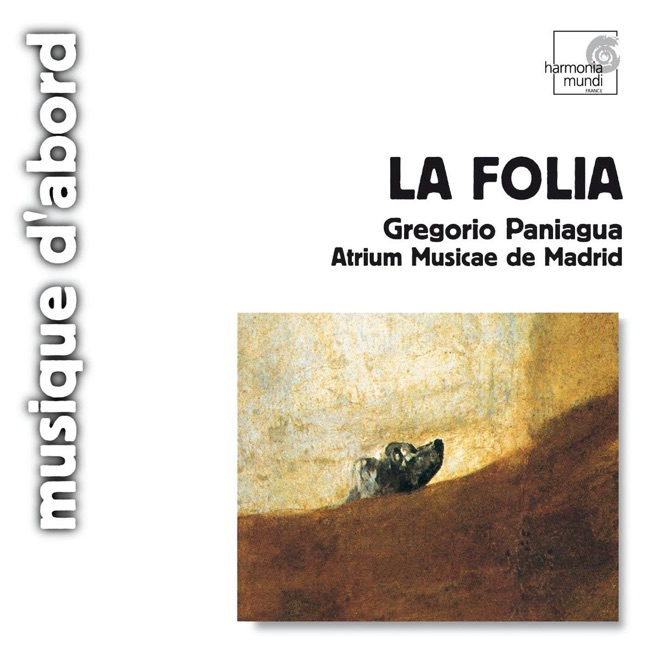
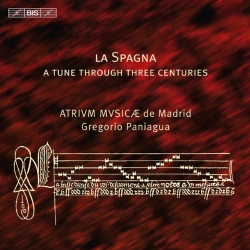
Country: SpainGenre:ChamberAtrium Musicae de Madrid is a classical music ensemble that was founded in 1974 by Gregorio Paniagua, a Spanish musician and musicologist. The ensemble is known for its performances of early music, particularly from the medieval and Renaissance periods. Paniagua was born in Madrid in 1944 and grew up in a family of musicians. He studied musicology at the University of Salamanca and later at the Sorbonne in Paris. He was particularly interested in early music and the use of historical instruments in performance. In 1974, he founded Atrium Musicae de Madrid with a group of musicians who shared his passion for early music. The ensemble's name, Atrium Musicae, means "musical courtyard" in Latin, and reflects the group's desire to create a space where early music could be performed and appreciated. The ensemble's early performances were held in churches and other historic buildings in Madrid, and were often accompanied by lectures and discussions about the music and its historical context. One of the ensemble's early highlights was their performance of the Codex Calixtinus, a medieval manuscript containing music and texts related to the pilgrimage to Santiago de Compostela. The performance, which took place in the Cathedral of Santiago de Compostela in 1978, was a major success and helped to establish Atrium Musicae as one of the leading ensembles in the field of early music. Over the years, Atrium Musicae has performed at many of the world's leading music festivals, including the Edinburgh International Festival, the Salzburg Festival, and the Festival d'Avignon. They have also recorded numerous albums, many of which have received critical acclaim and won awards. One of the ensemble's most famous recordings is their 1982 album, Musique de la Grèce Antique, which features music from ancient Greece performed on reconstructed instruments. The album was a groundbreaking achievement in the field of early music and helped to popularize the use of historical instruments in performance. Another notable recording is their 1987 album, La Folia de la Spagna, which features music from the Spanish Renaissance. The album won the Grand Prix du Disque and helped to establish Atrium Musicae as one of the leading ensembles in the field of early music. Atrium Musicae has also collaborated with many other musicians and ensembles over the years, including the Spanish National Orchestra and the Ensemble Organum. They have also worked with contemporary composers, such as Mauricio Kagel and Karlheinz Stockhausen, to create new works that incorporate elements of early music. Despite the ensemble's success, they have faced some criticism over the years for their approach to early music. Some critics have accused them of being too focused on historical accuracy at the expense of musical expression and interpretation. However, many others have praised their commitment to authenticity and their ability to bring early music to life for modern audiences. Today, Atrium Musicae de Madrid continues to perform and record music from the medieval and Renaissance periods. Although Gregorio Paniagua passed away in 2012, the ensemble remains a leading force in the field of early music and a testament to his vision of creating a space where early music can be appreciated and enjoyed.More....
Recent Artist Music
Related Artists
Copyright Ⓒ 2013 Davinci Finger. All rights reseved
Service Terms & Policy