


Traditional Arabic-Andalusian
Released Album
Vocal
-
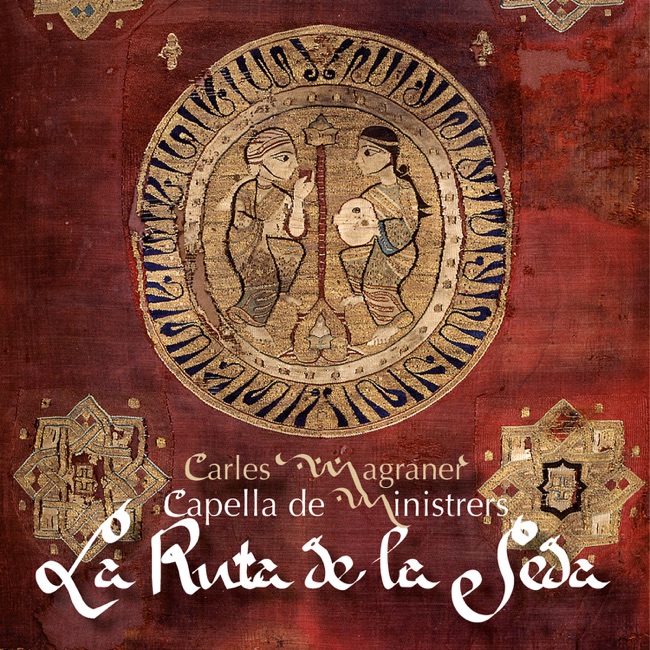 December 15, 2017
 -
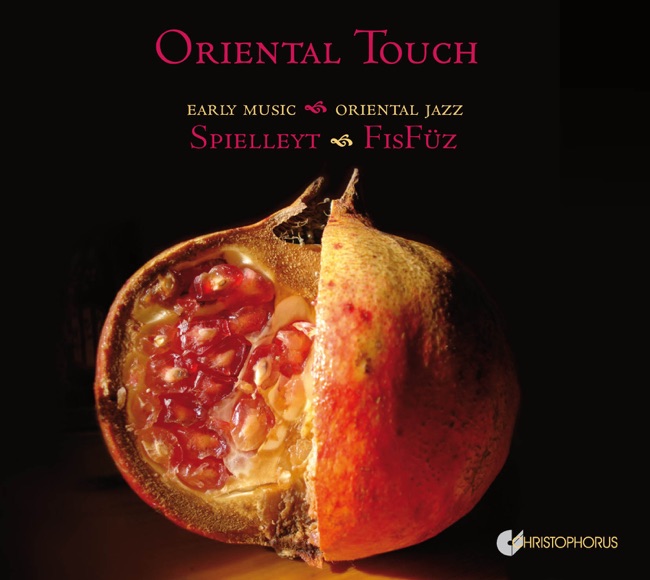 September 2, 2013
 -
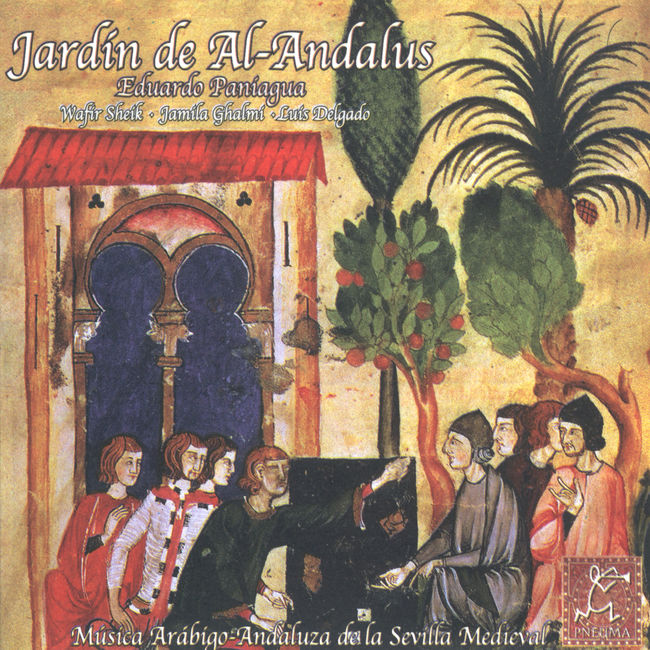 July 30, 2007
 -
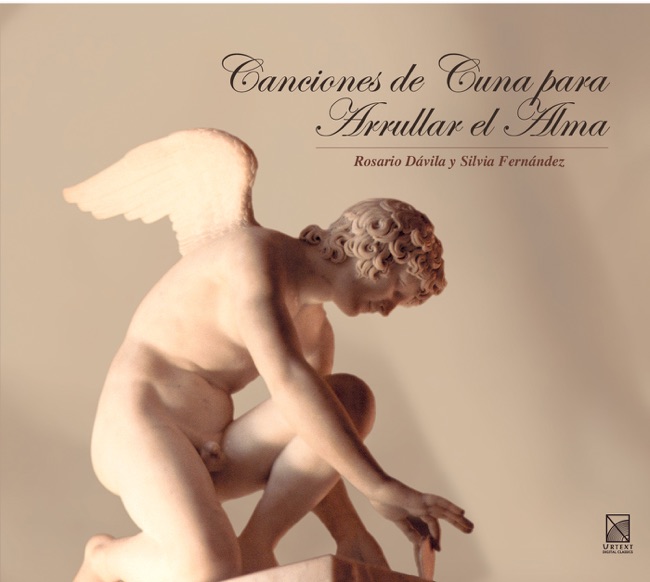 April 11, 2006
 -
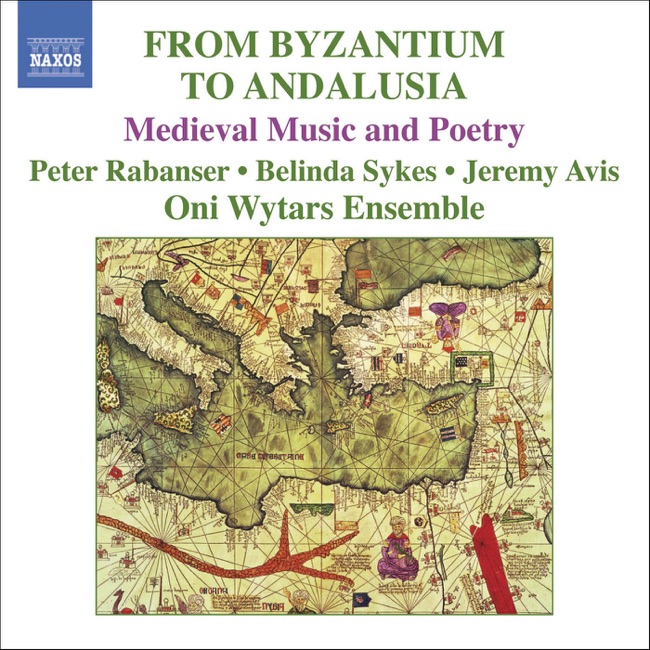 March 21, 2006
 -
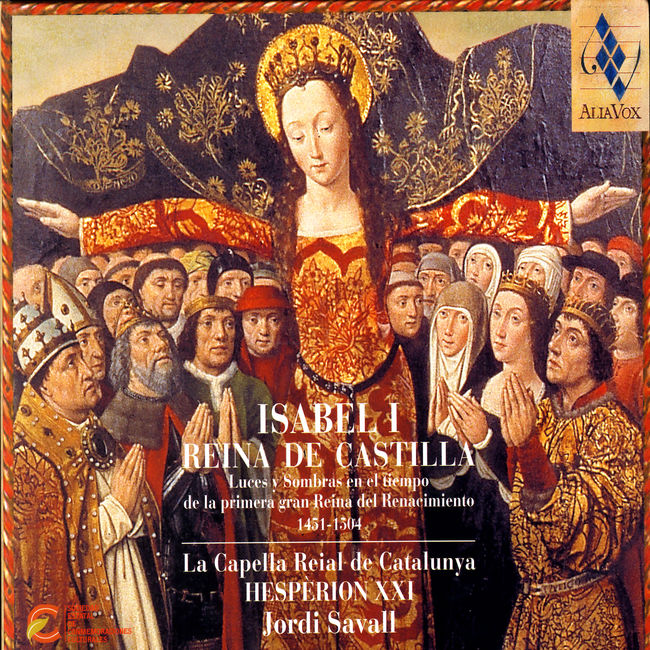 December 14, 2004
Miscellaneous
-
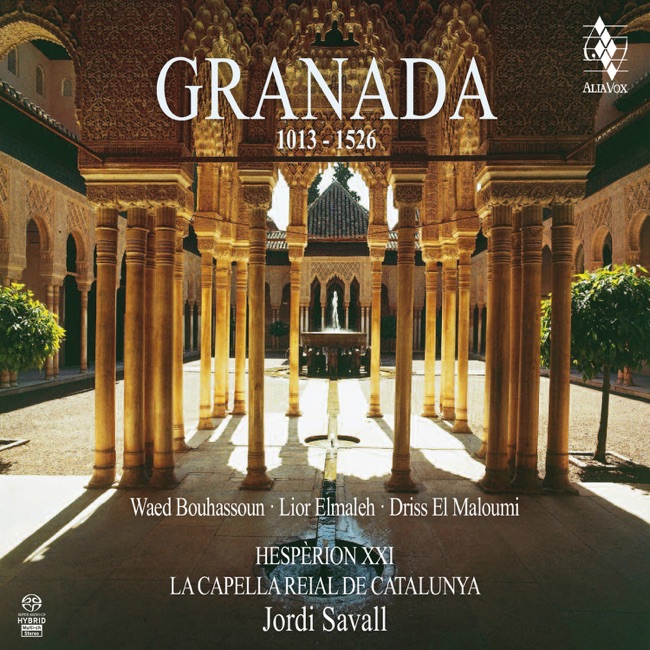 August 12, 2016
 -
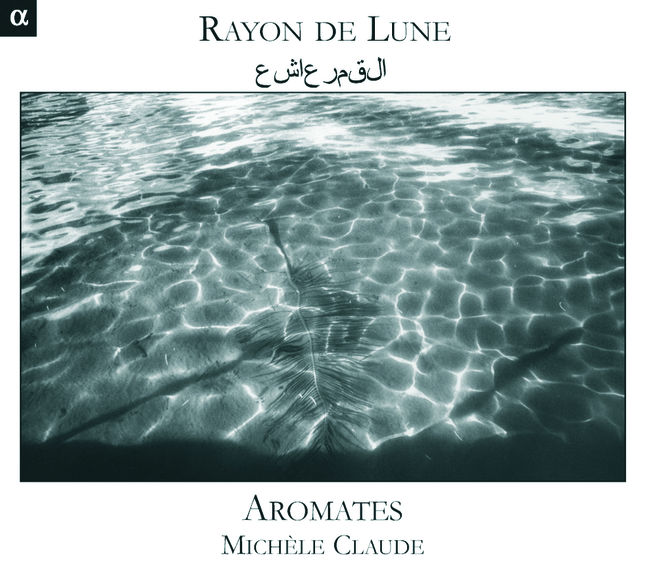 October 9, 2007
Artist Info
Role:ComposerGenre:VocalTraditional Arabic-Andalusian music is a genre of music that has its roots in the Islamic Golden Age. It is a blend of Arabic and Andalusian music, which was developed in the Iberian Peninsula during the 8th to 15th centuries. The music is characterized by its use of the oud, a stringed instrument, and the qanun, a plucked zither. The music is also known for its complex rhythms and intricate melodies. The birth of Traditional Arabic-Andalusian music can be traced back to the Islamic Golden Age, which was a period of cultural, economic, and scientific growth in the Islamic world. During this time, the Islamic world was a center of learning and innovation, and many scholars and musicians from different parts of the world came to study and share their knowledge. One of the most important figures in the development of Traditional Arabic-Andalusian music was Ziryab, a musician and scholar who lived in the 9th century. Ziryab was born in Baghdad and later moved to Cordoba, where he became a prominent musician and teacher. He is credited with introducing new instruments and musical techniques to the Andalusian music scene, including the oud and the qanun. Over the centuries, Traditional Arabic-Andalusian music continued to evolve and develop, with new composers and musicians adding their own unique styles and techniques to the genre. One of the most famous composers of Traditional Arabic-Andalusian music was Ibn Bajja, who lived in the 12th century. Ibn Bajja was a philosopher, scientist, and musician who composed many works of music, including instrumental pieces and vocal compositions. Another important composer of Traditional Arabic-Andalusian music was Ibn Khafaja, who lived in the 12th century. Ibn Khafaja was a poet and musician who composed many songs and instrumental pieces, including the famous "Lamma Bada Yatathanna," which is still performed today. One of the most famous works of Traditional Arabic-Andalusian music is the muwashshah, a form of poetry that is set to music. The muwashshah is characterized by its complex rhythms and intricate melodies, and it is often performed by a group of musicians and singers. One of the most famous muwashshahat is "Ya Banat Iskandaria," which is still performed today. In addition to the muwashshah, Traditional Arabic-Andalusian music also includes instrumental pieces, such as the samai, a type of instrumental composition that is characterized by its use of complex rhythms and intricate melodies. The samai is often performed by a group of musicians, including the oud, qanun, and percussion instruments. Today, Traditional Arabic-Andalusian music continues to be an important part of the cultural heritage of the Islamic world. Many musicians and scholars continue to study and perform this genre of music, and it is often performed at cultural events and festivals around the world.More....
Recent Artist Music
3

1:6
5
3:59
6
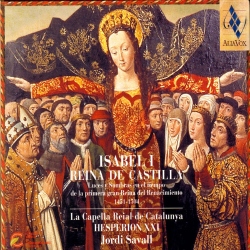
3:49
7
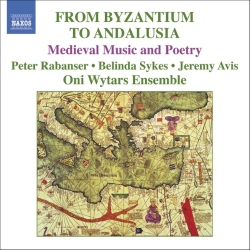
4:6
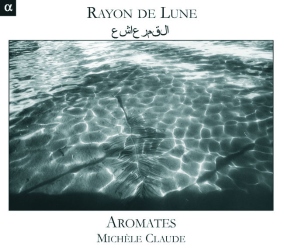
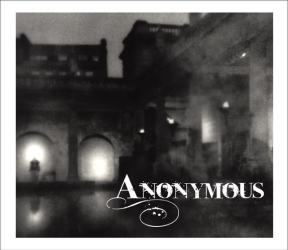
11
3:39
12
5:55

15
1:41
Copyright Ⓒ 2013 Davinci Finger. All rights reseved
Service Terms & Policy