


Cesare Negri
Released Album
Miscellaneous
-
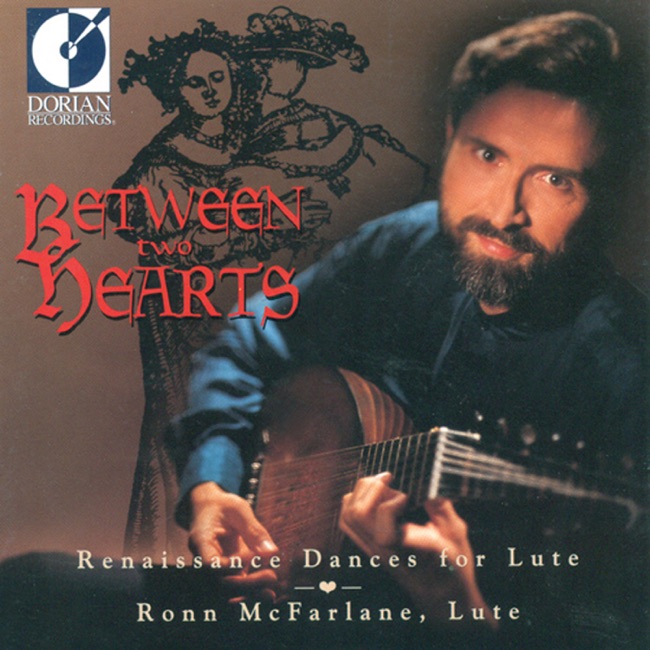 February 1, 2011
 -
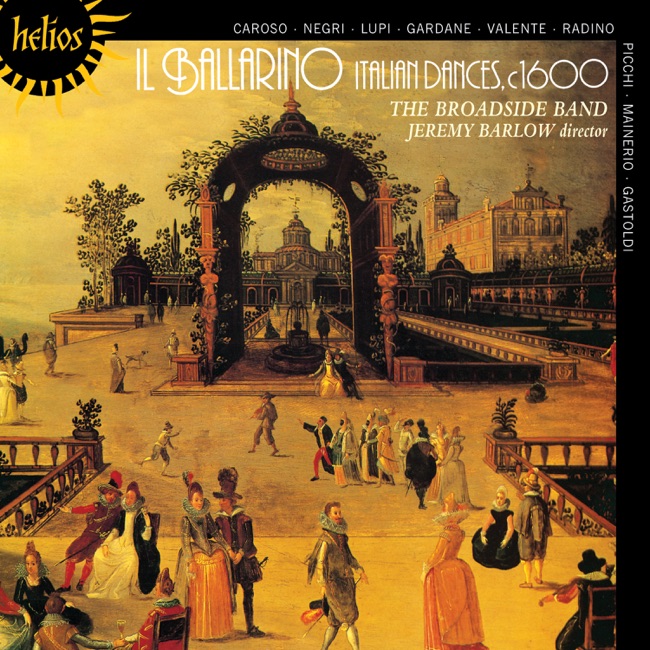 November, 1987
Chamber
-
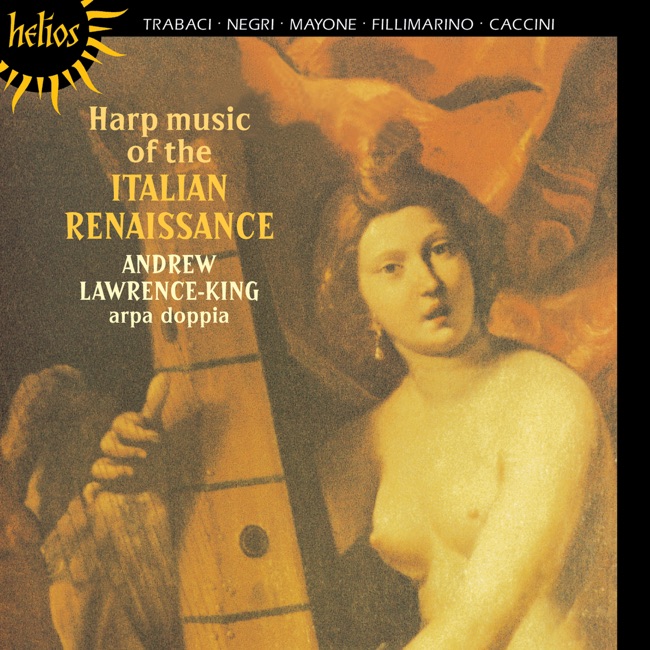 July 5, 2004
Ballet
-
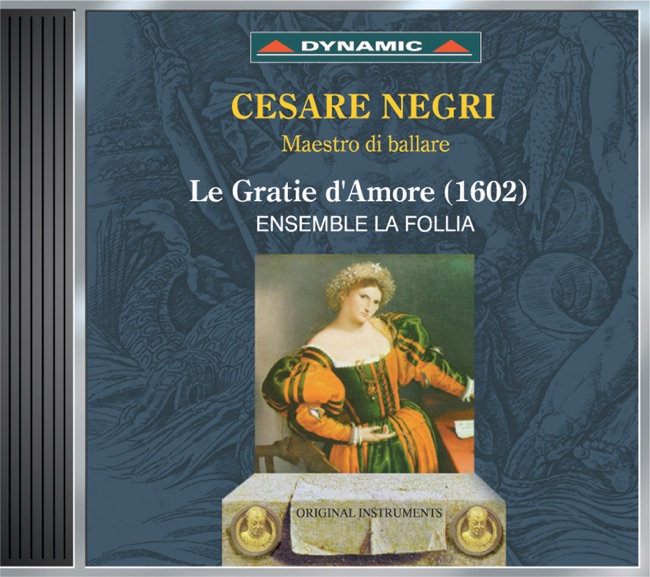 January 25, 2011
Artist Info
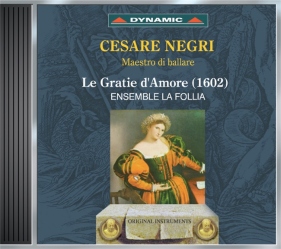
Role:ComposerCountry: ItalyBirth:ca. 1535 in Milan, ItalyDeath:after 1604 in Milan, ItalyPeriod:RenaissanceCesare Negri was a prominent Italian composer and dancer who lived during the Renaissance period. He was born in Milan, Italy, in 1535, and little is known about his early life. However, it is believed that he received his musical education in Milan, which was a hub of artistic and cultural activity during the Renaissance. Negri was a multi-talented artist who excelled in both music and dance. He was a skilled composer, choreographer, and dancer, and his works were highly regarded during his time. Negri's most famous work is the "Le Gratie d'Amore," which is a collection of dances that he composed and choreographed. The work was published in 1602 and is considered one of the most important dance manuals of the Renaissance period. Negri's music was heavily influenced by the courtly dances of the time, and he was known for his ability to create intricate and complex dance patterns. His music was also characterized by its use of polyphony, which was a popular technique during the Renaissance. Polyphony involves the use of multiple voices or instruments playing different melodies simultaneously, creating a rich and complex sound. Negri's music was also notable for its use of the lute, which was a popular instrument during the Renaissance. The lute is a stringed instrument that is similar to a guitar, and it was often used to accompany dances and other musical performances. Negri was a skilled lutenist, and his compositions often featured intricate lute solos and accompaniments. In addition to his work as a composer, Negri was also a renowned dance master. He was known for his ability to teach complex dance steps and patterns, and his dance manuals were widely used throughout Europe. Negri's dance style was heavily influenced by the courtly dances of the time, which were characterized by their elegance and grace. Negri's most famous work, the "Le Gratie d'Amore," is a collection of dances that he composed and choreographed. The work consists of 33 dances, each with its own unique style and character. The dances are divided into three sections, each representing a different aspect of love: the first section represents the joys of love, the second section represents the sorrows of love, and the third section represents the triumph of love. The "Le Gratie d'Amore" is notable for its use of complex dance patterns and intricate footwork. The dances are performed in pairs, with the dancers moving in intricate patterns around each other. The music is characterized by its use of polyphony and lute accompaniment, creating a rich and complex sound. Negri's other works include the "Il Ballarino," which is a collection of dances that he composed and choreographed. The work was published in 1600 and is considered one of the most important dance manuals of the Renaissance period. The "Il Ballarino" consists of 16 dances, each with its own unique style and character. Negri's music and dance works were highly regarded during his time, and they continue to be studied and performed today. His works are considered important examples of Renaissance music and dance, and they provide valuable insights into the artistic and cultural life of the period. In conclusion, Cesare Negri was a prominent Italian composer and dancer who lived during the Renaissance period. He was a multi-talented artist who excelled in both music and dance, and his works were highly regarded during his time.More....
Recent Artist Music




Copyright Ⓒ 2013 Davinci Finger. All rights reseved
Service Terms & Policy