


Antonio Vivaldi
Concerto for 4 violins in D major, Op. 3/1, RV 549
Released Album
Recent Album


Featured Album
Works Info
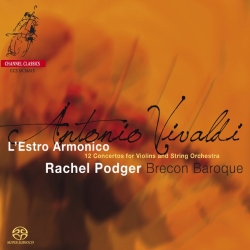
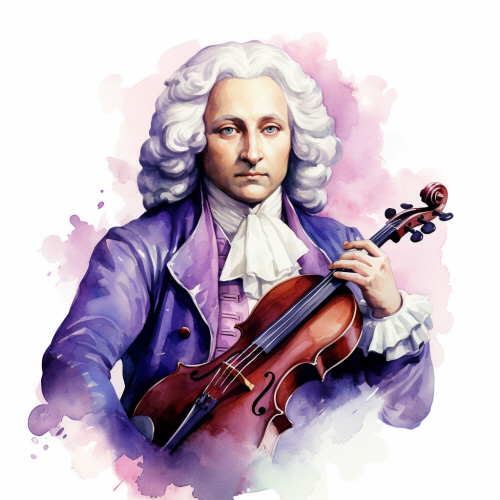
Composer:Antonio VivaldiGenre:ConcertoStyle:ConcertoCompose Date:1711Average_duration:8:12Movement_count:3Movement ....Antonio Vivaldi's Concerto for 4 violins in D major, Op. 3/1, RV 549, is a Baroque masterpiece that showcases the composer's virtuosity and ingenuity. It was composed in the early 18th century and premiered in Venice, Italy, around 1711. The concerto is part of a collection of twelve concertos known as L'estro armonico, which Vivaldi dedicated to Ferdinand III, Grand Prince of Tuscany. The Concerto for 4 violins in D major, Op. 3/1, RV 549, is divided into three movements: Allegro, Largo, and Allegro. The first movement is a lively and energetic Allegro that features the four violins playing in unison and in harmony. The second movement, Largo, is a slow and expressive piece that showcases the beauty and richness of the violin's sound. The final movement, Allegro, is a fast and lively piece that brings the concerto to a thrilling conclusion. One of the most striking characteristics of the Concerto for 4 violins in D major, Op. 3/1, RV 549, is its use of counterpoint. Vivaldi employs complex and intricate melodic lines that interweave and overlap, creating a rich and layered texture. The concerto also features Vivaldi's signature use of virtuosic solo passages, which highlight the technical abilities of the four violinists. Another notable feature of the concerto is its use of ritornello form. In this form, a recurring theme or melody, known as the ritornello, is played by the orchestra and is interspersed with solo passages played by the four violins. This creates a sense of tension and release, as the soloists alternate between virtuosic displays and moments of rest. Overall, the Concerto for 4 violins in D major, Op. 3/1, RV 549, is a masterpiece of Baroque music that showcases Vivaldi's skill as a composer and his ability to create complex and intricate works that are both technically demanding and emotionally expressive. Its use of counterpoint, virtuosic solo passages, and ritornello form make it a quintessential example of Baroque music and a beloved piece in the violin repertoire.More....
Works Music
Released Music
1
2:59
2
2:15
3
2:12
4
2:15
5
3:2
6
2:15
7
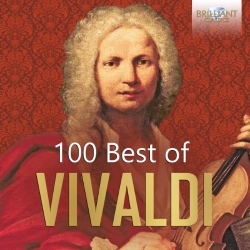
2:59
8
2:56
9
3:0
10
2:57
Featured Music
1
2:52
3
2:16
4
3:
6
2:32
Main Perform Artists
Violin
Cello
Violin
Violin
Violin
Violin
Violin
Violin