


Alfred Schnittke
Concerto Grosso No. 2
Released Album
Recent Album
Works Info
Composer:Alfred SchnittkeGenre:ConcertoStyle:ConcertoCompose Date:1981 - 1982Average_duration:32:55Movement_count:4Movement ....Alfred Schnittke's Concerto Grosso No. 2 was composed in 1981 and premiered on December 15th of the same year in Gorky, Russia. The piece is written for a chamber orchestra consisting of a solo violin, solo cello, and a string orchestra. The concerto is divided into six movements, each with its own unique character and style. The first movement, marked "Preludio," is a slow and somber introduction that sets the tone for the rest of the piece. The solo violin and cello play mournful melodies over a bed of sustained strings, creating a sense of melancholy and introspection. The second movement, "Toccata," is a lively and energetic scherzo that showcases the virtuosity of the soloists. The violin and cello engage in a playful dialogue, trading off rapid-fire runs and intricate passages. The third movement, "Recitativo," is a dramatic and intense aria for the solo cello. The orchestra provides a dark and brooding backdrop as the cello sings out a mournful melody, full of longing and despair. The fourth movement, "Cadenza," is a solo cadenza for the violin that showcases the instrument's technical capabilities. The soloist navigates a series of complex and challenging passages, demonstrating their mastery of the instrument. The fifth movement, "Choral," is a slow and contemplative piece that features the entire ensemble. The strings play a lush and harmonious melody while the soloists weave in and out, adding their own voices to the mix. The final movement, "Toccata," is a reprise of the second movement, but this time with a darker and more ominous tone. The soloists engage in a frenzied and chaotic dialogue, building to a climactic finish that leaves the listener breathless. Overall, Schnittke's Concerto Grosso No. 2 is a powerful and emotionally charged work that showcases the composer's unique style and vision. The piece combines elements of Baroque and contemporary music, creating a hybrid style that is both timeless and modern. The soloists are given ample opportunity to shine, but they are always integrated into the larger ensemble, creating a sense of unity and cohesion throughout the work.More....
Works Music
Released Music
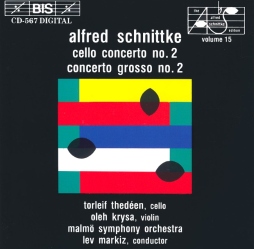
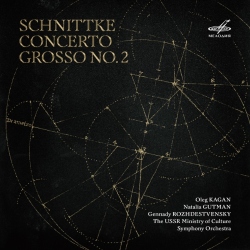
Main Perform Artists