


Joaquín Turina
Released Album
Chamber
-
-
 April 1, 2024
 -
 January 19, 2024
 -
 January 5, 2024
 -
 December 10, 2023
 -
 August 18, 2023
Keyboard
-
 September 25, 2024
 -
 May 12, 2023
 -
 April 13, 2022
 -
 July 28, 2021
 -
 April 2, 2021
 -
 October 30, 2020
Vocal
-
 August 18, 2023
 -
 June 3, 2022
 -
-
 September 6, 2019
 -
 November 4, 2018
 -
 November 30, 2017
Orchestral
-
 October 27, 2023
 -

-
 July 19, 2019
 -
 September 9, 2016
 -
 August 26, 2016
 -
 October 22, 2015
Artist Info
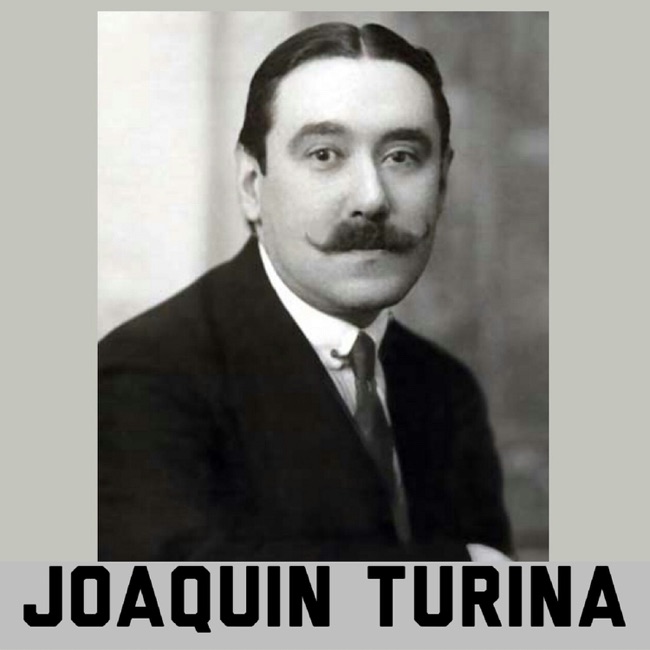
Role:ComposerCountry: SpainBirth:December 9, 1882 in Seville, SpainDeath:January 14, 1949 in Madrid, SpainPeriod:ContemporaryModernGenre:ChamberKeyboardVocalJoaquín Turina was a Spanish composer who was born on December 9, 1882, in Seville, Spain. He was the son of a painter and a pianist, and his family was very supportive of his musical interests from a young age. Turina began studying piano and composition at the Seville Conservatory when he was just nine years old, and he quickly showed a talent for both. Turina's early compositions were heavily influenced by the music of his native Andalusia, and he often incorporated elements of flamenco and other traditional Spanish music into his works. He also drew inspiration from the French impressionists, particularly Debussy and Ravel, and his music often featured lush harmonies and colorful orchestration. In 1905, Turina moved to Madrid to continue his studies at the Royal Conservatory of Music. While there, he became friends with fellow composer Manuel de Falla, and the two would go on to collaborate on several projects throughout their careers. Turina also became involved with the Sociedad de Conciertos, a group of young musicians who were dedicated to promoting contemporary music in Spain. Turina's early works were well-received by critics and audiences alike, and he quickly established himself as one of Spain's most promising young composers. In 1911, he won a scholarship to study in Paris, where he was exposed to the latest trends in European music. He studied with Vincent d'Indy and met many of the leading composers of the day, including Stravinsky, Satie, and Debussy. Turina's time in Paris had a profound influence on his music, and he began to incorporate more modernist elements into his works. He also became interested in the music of his fellow Spaniards, particularly Falla and Albéniz, and began to explore the possibilities of incorporating traditional Spanish music into his compositions in a more sophisticated way. Turina returned to Spain in 1914 and settled in Madrid, where he continued to compose and perform. He became involved with the Grupo de los Ocho, a group of young composers who were dedicated to promoting modern music in Spain. He also began to teach at the Madrid Conservatory, where he would remain for the rest of his career. Turina's music from this period is characterized by a blend of traditional Spanish elements and modernist techniques. He often used folk melodies and rhythms in his works, but he also experimented with atonality and other avant-garde techniques. His music was well-received by critics and audiences alike, and he became one of the most respected composers in Spain. During the 1920s and 1930s, Turina's music became more introspective and personal. He began to explore themes of nostalgia and loss, and his works often had a melancholy, introspective quality. He also began to incorporate more elements of Andalusian music into his compositions, and his works from this period are often characterized by their rhythmic vitality and colorful orchestration. Turina's most famous works from this period include his Danzas fantásticas, Op. 22, which was inspired by the music and dance of Andalusia, and his Sinfonía sevillana, Op. 23, which was a tribute to his hometown of Seville. He also wrote several works for guitar, including his Sonata for Guitar, Op. 61, which is still widely performed today. During the Spanish Civil War, Turina remained in Madrid and continued to compose and teach.More....
Recent Artist Music

8
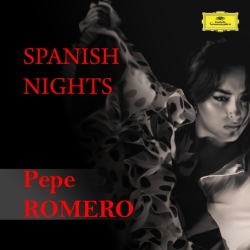
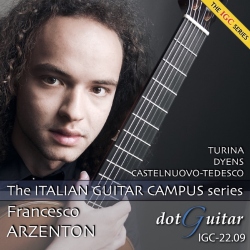
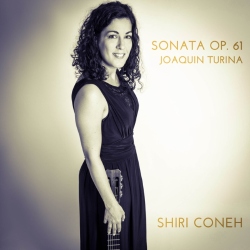
Sonata for guitar in D minor, Op. 61
3. Allegro vivo - Allegro moderato - Allegro vivo - Allegretto - Allegro vivo
2:57
12
4:44
Works Highlight


Related Artists
Copyright Ⓒ 2013 Davinci Finger. All rights reseved
Service Terms & Policy