Joaquín Turina
Sevillana, Op. 29
Released Album
Recent Album
-
-
-
-
-
 Antonino IerloNovember 12, 2021
 -

-
-
-
-
-
-

Featured Album
Works Info
Composer:Joaquín TurinaGenre:ChamberStyle:FantasyCompose Date:1923Average_duration:5:58Sevillana, Op. 29 is a composition for solo piano by the Spanish composer Joaquín Turina. It was composed in 1922 and premiered the same year in Madrid. The piece is divided into four movements, each of which is based on a different type of Sevillana, a traditional Spanish dance from the region of Seville. The first movement, titled "Sevillana de Fiesta," is a lively and festive dance in 3/4 time. It features a syncopated rhythm and a melody that is characterized by its use of the Phrygian mode, a common feature of Spanish music. The second movement, "Sevillana de Paseo," is a slower and more contemplative dance in 6/8 time. It features a more lyrical melody and a more subdued rhythm, evoking the image of a leisurely stroll through the streets of Seville. The third movement, "Sevillana de los Vito," is a fast and energetic dance in 3/8 time. It features a virtuosic piano part that is characterized by its use of rapid arpeggios and runs, as well as a melody that is based on the flamenco scale, another common feature of Spanish music. The final movement, "Sevillana del Mantón," is a slow and sensual dance in 3/4 time. It features a melody that is characterized by its use of the Phrygian mode and a rhythm that is marked by the use of rubato, giving the piece a more improvisational feel. Overall, Sevillana, Op. 29 is a vibrant and colorful representation of the traditional Sevillana dance, showcasing Turina's skillful use of Spanish musical idioms and his ability to capture the essence of the dance in his music.More....
Works Music
Released Music

5
6:34

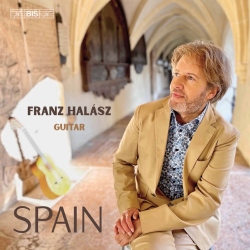
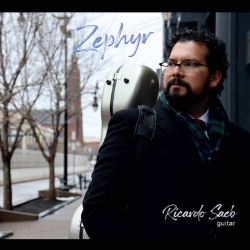
9
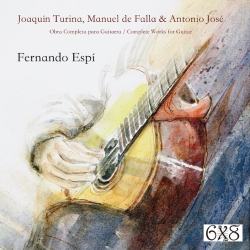
6:12

Featured Music