


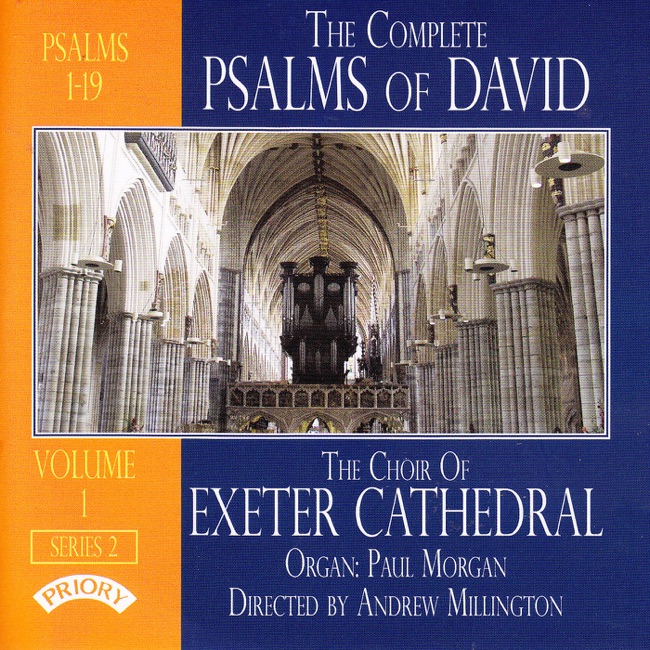
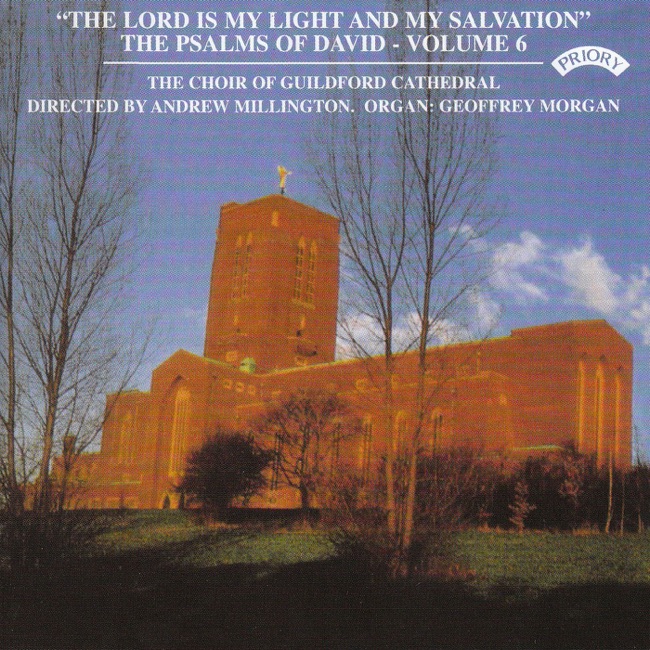
Andrew Millington
Released Album
Choral
-
-
 October 11, 1993
Artist Info
Role:ComposerGenre:ChoralKeyboardAndrew Millington was a British composer and conductor who was born on May 22, 1954, in London, England. He grew up in a family of musicians, with his father being a professional cellist and his mother a pianist. From a young age, Millington showed a keen interest in music and began playing the piano at the age of five. Millington's musical education began at the Royal College of Music in London, where he studied composition and conducting. He later went on to study at the University of Cambridge, where he earned a degree in music. During his time at Cambridge, Millington was heavily influenced by the works of Benjamin Britten and Gustav Mahler, and these composers would go on to inspire much of his own work. After completing his studies, Millington began his career as a conductor, working with various orchestras and choirs throughout the UK. He quickly gained a reputation as a talented and innovative conductor, and his performances were praised for their energy and passion. In addition to his work as a conductor, Millington was also a prolific composer. His works were heavily influenced by his love of classical music, and he often incorporated elements of traditional classical music into his own compositions. Some of his most notable works include his Symphony No. 1, which was premiered in 1982, and his Requiem, which was first performed in 1990. Millington's Symphony No. 1 is a powerful and emotional work that showcases his talent for orchestration and his ability to create complex and intricate musical structures. The piece is divided into four movements, each of which explores a different theme or emotion. The first movement is a lively and energetic piece that sets the tone for the rest of the symphony, while the second movement is a slower and more contemplative piece that explores themes of loss and grief. The third movement is a lively and playful piece that showcases Millington's talent for creating complex rhythms and intricate melodies, while the final movement is a powerful and emotional piece that brings the symphony to a dramatic and satisfying conclusion. Millington's Requiem is another powerful and emotional work that showcases his talent for creating complex and intricate musical structures. The piece is divided into seven movements, each of which explores a different aspect of death and mourning. The first movement is a powerful and dramatic piece that sets the tone for the rest of the requiem, while the second movement is a slower and more contemplative piece that explores themes of grief and loss. The third movement is a lively and playful piece that celebrates life and the joy of living, while the fourth movement is a haunting and ethereal piece that explores the mysteries of death and the afterlife. The final three movements of the requiem are a powerful and emotional journey that brings the piece to a dramatic and satisfying conclusion. Throughout his career, Millington was known for his passion for classical music and his dedication to his craft. He was a talented and innovative composer and conductor who left a lasting impact on the world of classical music. His works continue to be performed and celebrated today, and his legacy as a composer and conductor lives on.More....
Recent Artist Music
1
14:18
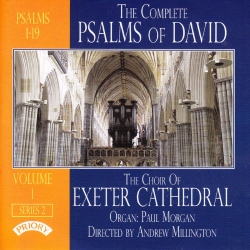
4
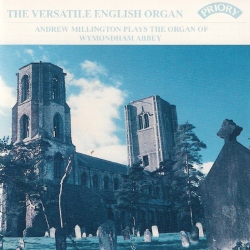
Dietrich Buxtehude
Prelude and Fugue In G Minor
7:31
Copyright Ⓒ 2013 Davinci Finger. All rights reseved
Service Terms & Policy