


George Thalben-Ball
Released Album
Keyboard
-
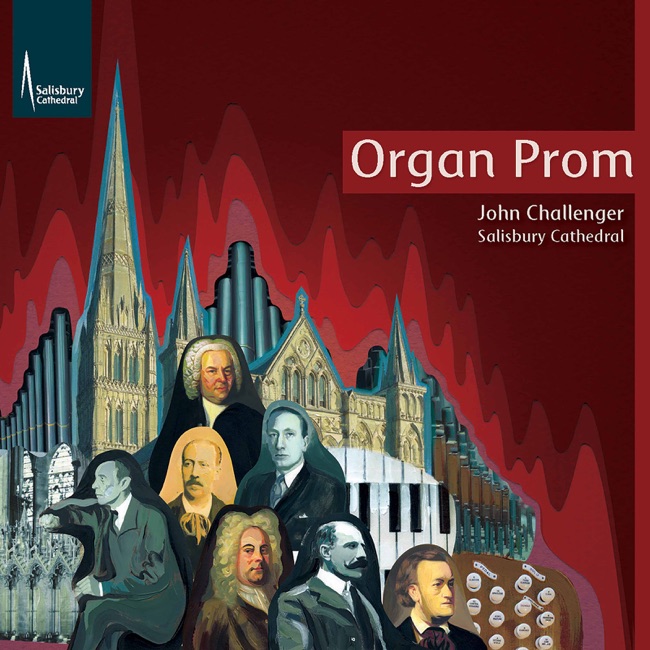 October 2, 2020
 -
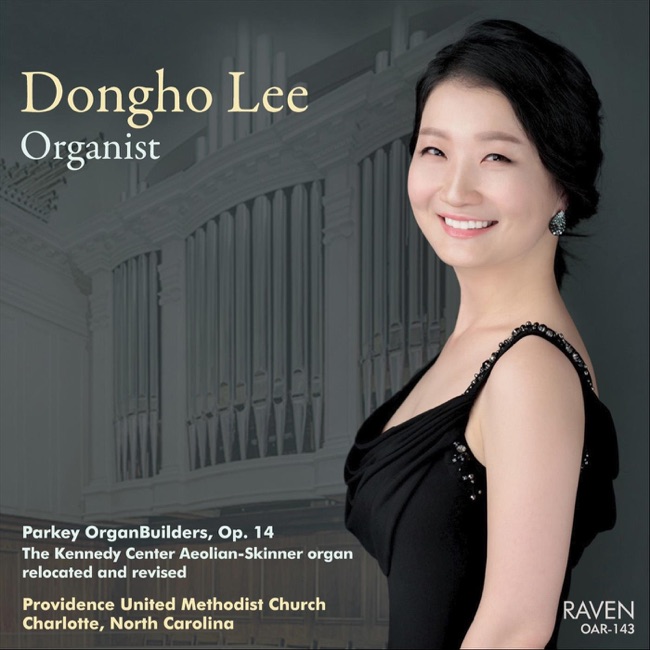 October 10, 2017
 -
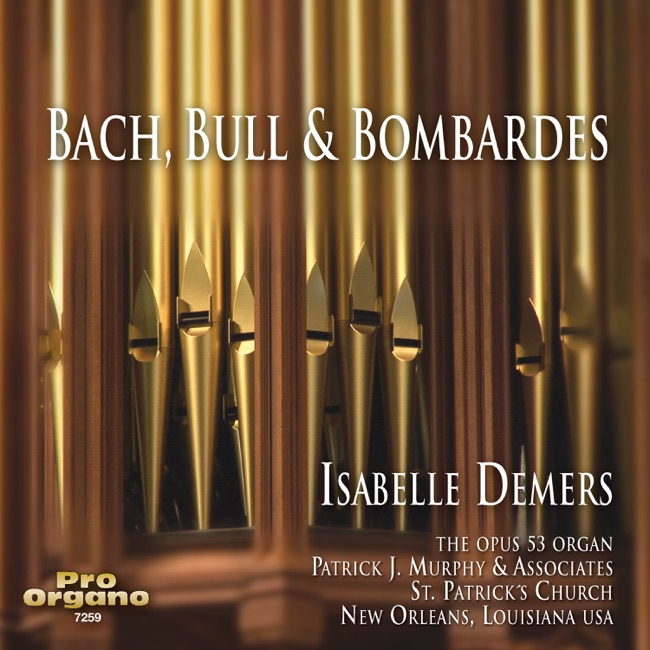 September 10, 2013
 -
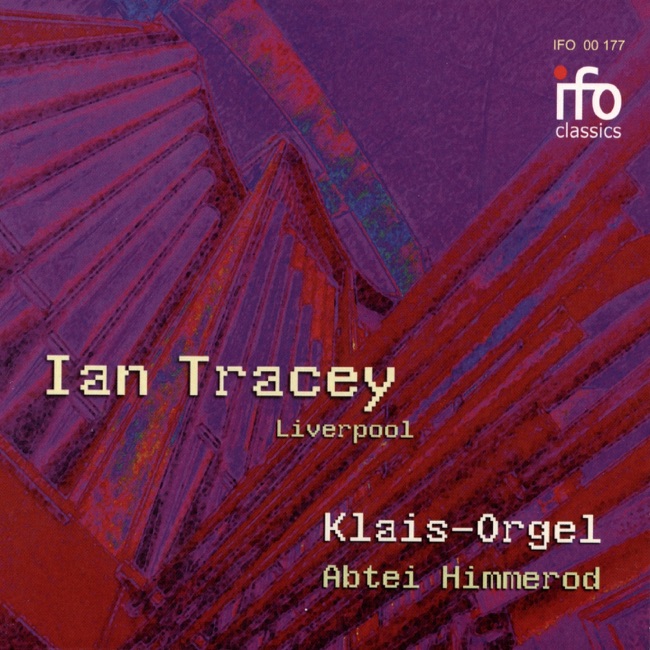 October 19, 2012
 -
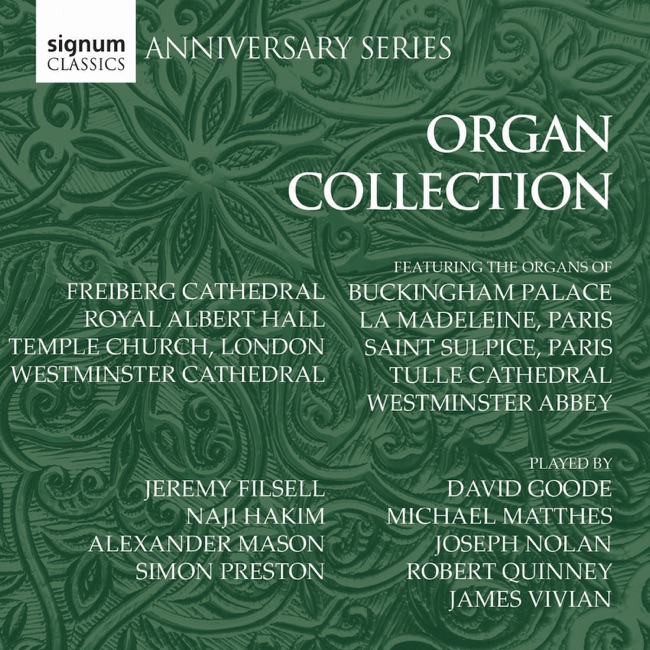 September 24, 2012
 -
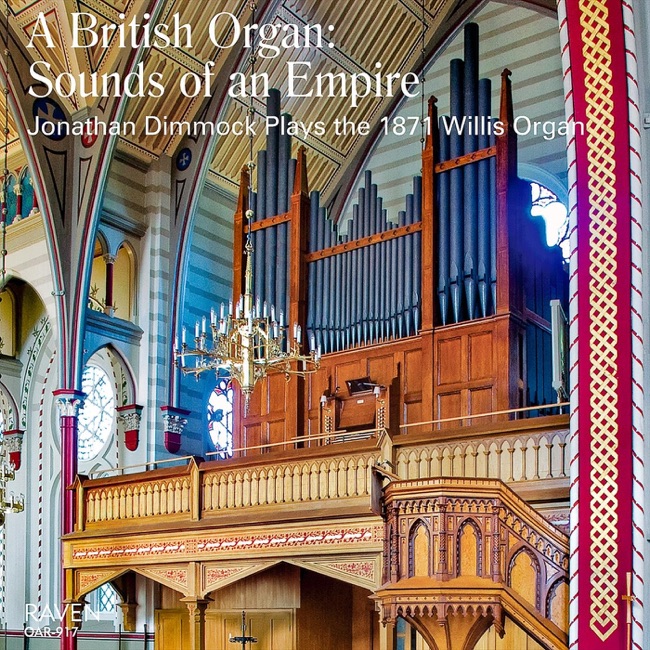 June 8, 2010
Miscellaneous
-
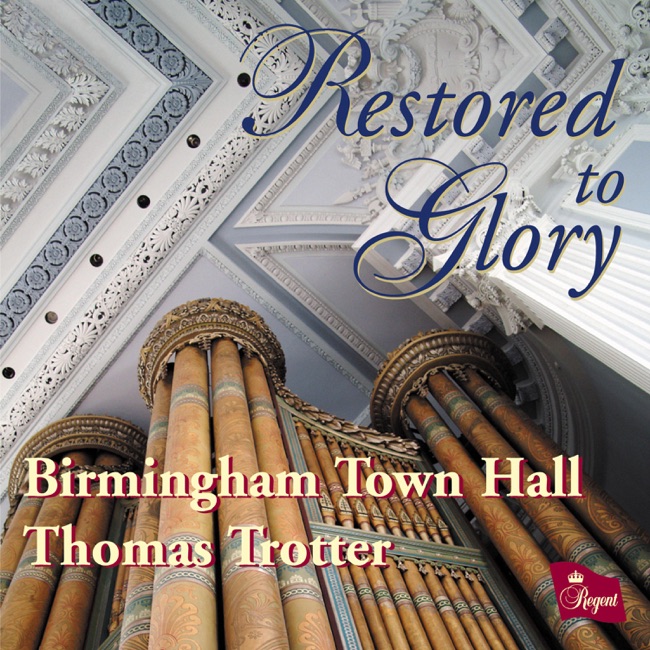 October 10, 2008
 -
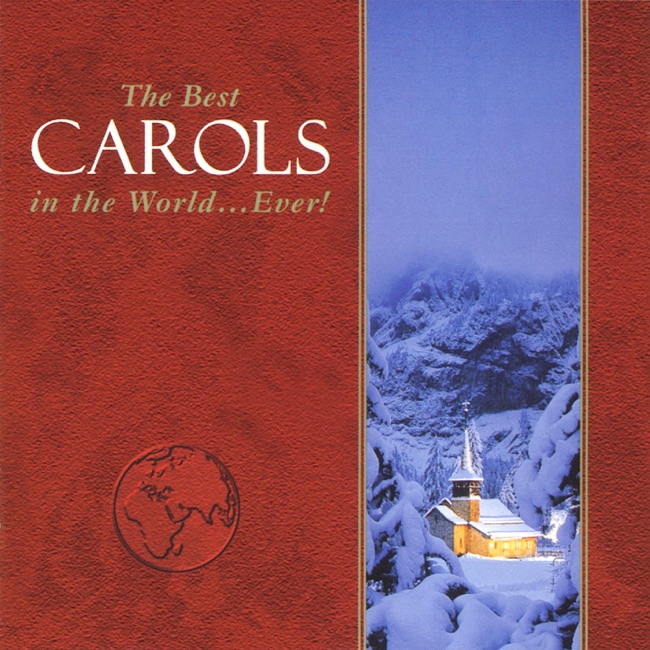 November 23, 1998
 -
 January 3, 1994
Choral
-
 March 15, 2011
 -
 March 30, 2004
 -
 October 11, 1993
Artist Info
Role:Composer ConductorCountry: United KingdomBirth:June 18, 1896 in Sydney, AustraliaDeath:January 18, 1987 in London, EnglandPeriod:BaroqueRomanticContemporaryModernGenre:ChoralKeyboardGeorge Thalben-Ball was a British composer, organist, and conductor who was born on June 18, 1896, in Sydney, Australia. He was the son of a musician and was raised in a musical family. His father, George Ball, was a violinist and conductor, and his mother, Alice Thalben, was a pianist and singer. Thalben-Ball showed an early interest in music and began playing the piano at the age of three. Thalben-Ball's family moved to England when he was six years old, and he began his formal music education at the age of eight. He studied piano, organ, and composition at the Royal College of Music in London, where he was a student of Charles Villiers Stanford and Ralph Vaughan Williams. Thalben-Ball was a gifted musician and won several prizes and awards during his time at the Royal College of Music. After completing his studies, Thalben-Ball began his career as a church organist. He held positions at several churches in London, including St. Michael's Church in Cornhill and the Temple Church. Thalben-Ball was known for his virtuosic organ playing and his ability to improvise on the organ. He also composed several works for the organ, including his most famous piece, the Elegy. In addition to his work as a church organist, Thalben-Ball was also a conductor. He conducted several orchestras in London, including the London Symphony Orchestra and the Royal Philharmonic Orchestra. Thalben-Ball was known for his interpretations of the works of Handel and Bach, and he was a champion of the music of British composers. Thalben-Ball's compositions were primarily for the organ, but he also wrote works for choir and orchestra. His most famous work, the Elegy, was written in 1941 in memory of his friend and fellow organist, William Harris. The Elegy is a hauntingly beautiful piece that has become a staple of the organ repertoire. Thalben-Ball's other works for the organ include the Variations on a Theme by Paganini, the Meditation on Brother James' Air, and the Toccata Beorma. Thalben-Ball's choral works include the anthem I Was Glad, which was written for the coronation of King George VI in 1937. The anthem is a setting of Psalm 122 and is one of Thalben-Ball's most popular works. Thalben-Ball also wrote several other anthems and hymns, including the hymn tune Ewing, which is still sung in churches today. Thalben-Ball's orchestral works include the Suite for Strings, which was written in 1938. The Suite for Strings is a charming work that showcases Thalben-Ball's skill as an orchestrator. Thalben-Ball also wrote several other works for orchestra, including the overture The Arcadians and the ballet suite Cinderella. Thalben-Ball was a prolific composer and wrote over 100 works during his lifetime. His music is characterized by its lyrical melodies, lush harmonies, and virtuosic organ writing. Thalben-Ball's music is still performed today and is beloved by organists and music lovers around the world. In addition to his work as a composer and musician, Thalben-Ball was also a teacher. He taught at the Royal College of Music and the Royal Academy of Music, where his students included the composer John Tavener. Thalben-Ball was known for his kindness and generosity, and he was beloved by his students and colleagues. Thalben-Ball died on January 18, 1987, at the age of 90. He was a beloved figure in the world of classical music and his music continues to be performed and enjoyed today.More....

Recommend Playlist


Copyright Ⓒ 2013 Davinci Finger. All rights reseved
Service Terms & Policy