


Frederick Arthur Gore Ouseley
Released Album
Choral
-
 July 2, 2012
 -
 January 22, 2008
 -
 August 28, 2007
 -
 January 1, 2002
 -
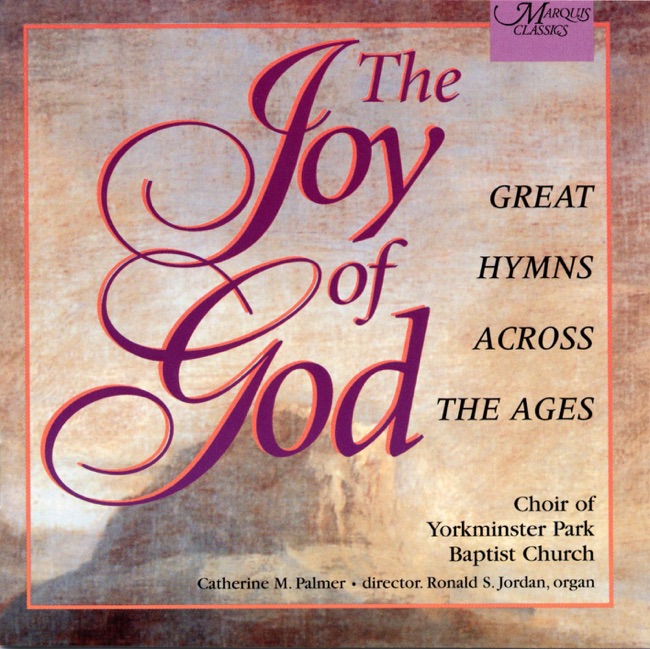 June 1, 1996
 -
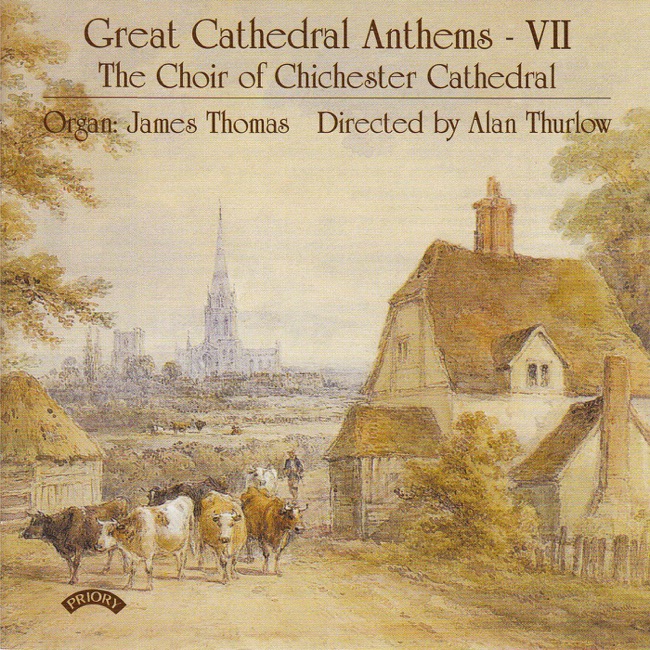 April 9, 1996
Keyboard
-
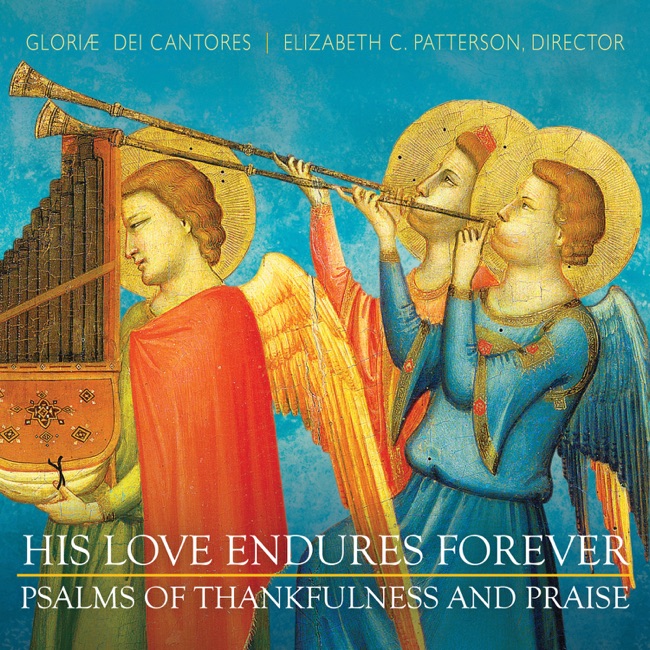 October 1, 2008
 -
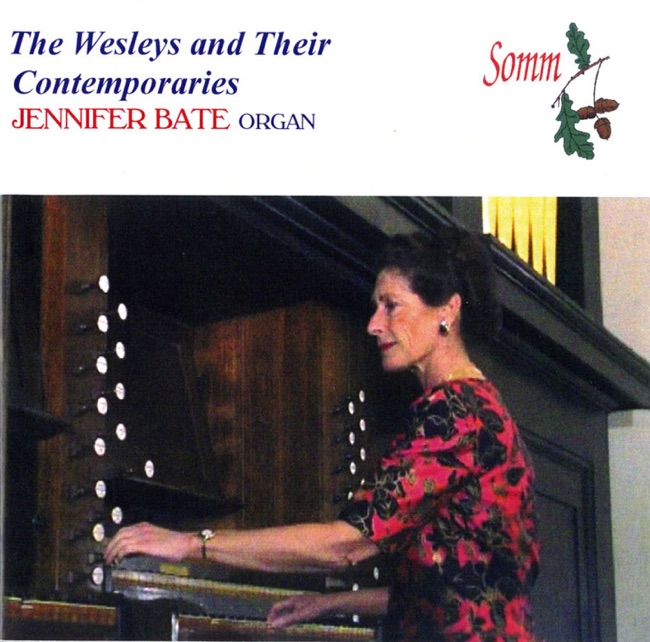 February 28, 2006
Artist Info
Role:ComposerCountry: United KingdomBirth:August 12, 1825Death:April 6, 1889Period:RomanticGenre:ChoralFrederick Arthur Gore Ouseley was a British composer, organist, and musicologist who lived from 1825 to 1889. He was born in London to a wealthy family, and his father, Sir Gore Ouseley, was a diplomat and orientalist who served as the British ambassador to Persia. From a young age, Ouseley showed a keen interest in music, and he received his first musical education from his mother, who was a talented amateur pianist. At the age of 14, Ouseley was sent to Eton College, where he continued his musical studies under the tutelage of the school's music master, John Hullah. He showed great promise as a composer, and his first published work, a setting of the hymn "From Greenland's Icy Mountains," was published when he was just 16 years old. After leaving Eton, Ouseley went on to study music at Oxford University, where he was a student at Christ Church. At Oxford, Ouseley continued to develop his skills as a composer, and he also became interested in the study of musicology. He was particularly fascinated by the music of the Middle Ages and the Renaissance, and he spent many hours in the university's libraries studying ancient manuscripts and treatises on music theory. In 1849, he was awarded a Bachelor of Music degree, and in 1854, he was awarded a Doctor of Music degree. After completing his studies at Oxford, Ouseley embarked on a career as a composer and organist. He held a number of positions as a church musician, including organist at St. Michael's Church in Tenbury, Worcestershire, and precentor at Hereford Cathedral. He also composed a large number of works, including choral music, organ music, and chamber music. One of Ouseley's most significant contributions to music was his work as a musicologist. He was one of the first scholars to study the music of the Middle Ages and the Renaissance in a systematic way, and he published a number of important works on the subject. His most significant work was his three-volume treatise, "A Treatise on Harmony," which was published between 1868 and 1876. This work was a comprehensive study of music theory, and it was widely praised for its clarity and thoroughness. In addition to his work as a composer and musicologist, Ouseley was also a philanthropist. He was deeply committed to the Anglican Church, and he used his wealth to support a number of charitable causes. In 1856, he founded St. Michael's College in Tenbury, which was a school for choirboys. The school was designed to provide a high-quality musical education to boys from poor families, and it was highly successful. Many of the boys who attended the school went on to have successful careers as musicians. Ouseley's compositions were highly regarded during his lifetime, and he was considered to be one of the leading composers of his generation. His music was characterized by its rich harmonies and its use of modal scales, which gave it a distinctly medieval flavor. Some of his most famous works include his "Stabat Mater," his "Te Deum," and his "Organ Sonata in G minor." Despite his many accomplishments, Ouseley's music fell out of favor in the years following his death. His music was seen as old-fashioned and out of step with the modernist trends of the early 20th century. However, in recent years, there has been a renewed interest in his music, and his works are once again being performed and recorded.More....
Recent Artist Music
2

2:53
5
2:4
6
3:12
8
2:25
9
1:28
11
5:3
14
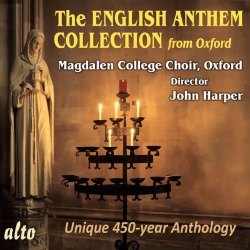
3:3
15
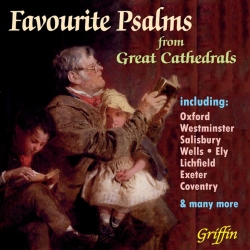
3:47
Copyright Ⓒ 2013 Davinci Finger. All rights reseved
Service Terms & Policy