


Edward Elgar
Sonata for organ No. 2 in B flat major, Op. 87a
Released Album
Recent Album

Featured Album
Works Info
Composer:Edward ElgarGenre:KeyboardStyle:SonataCompose Date:1933Average_duration:14:00Movement_count:5Movement ....Edward Elgar's Sonata for Organ No. 2 in B flat major, Op. 87a was composed in 1933 and premiered on May 9th of the same year at the Royal Albert Hall in London. The sonata is divided into three movements: the first is marked "Penseroso," the second "Allegro," and the third "Andantino." The first movement, "Penseroso," is characterized by its contemplative and introspective mood. It begins with a slow and somber introduction, featuring a descending chromatic line in the pedal. The main theme is then introduced in the manuals, with a gentle and lyrical melody that is developed throughout the movement. The middle section of the movement features a more agitated and dramatic theme, which is contrasted with the return of the main theme in a more subdued and reflective manner. The second movement, "Allegro," is a lively and energetic scherzo. It begins with a playful and rhythmic theme in the manuals, which is then taken up by the pedal. The middle section of the movement features a more lyrical and expressive theme, which is then developed in a virtuosic and technically demanding passage for the manuals. The movement ends with a return to the playful and rhythmic theme of the opening. The third and final movement, "Andantino," is a serene and contemplative adagio. It begins with a gentle and flowing theme in the manuals, which is then taken up by the pedal. The middle section of the movement features a more dramatic and intense theme, which is then developed in a series of increasingly complex and intricate variations. The movement ends with a return to the serene and contemplative theme of the opening. Overall, Elgar's Sonata for Organ No. 2 in B flat major, Op. 87a is a work of great depth and complexity, showcasing the composer's mastery of the organ as a solo instrument. The sonata is characterized by its introspective and contemplative mood, as well as its virtuosic and technically demanding passages. It remains a popular and frequently performed work in the organ repertoire.More....
Works Music
Released Music
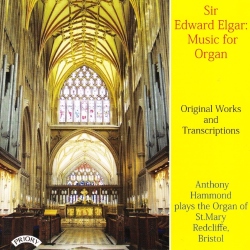
6

2:47
7
14:18
8
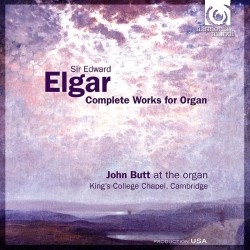
2:34
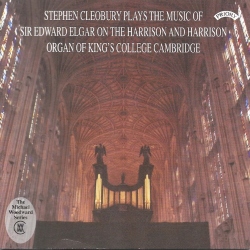
Featured Music
1
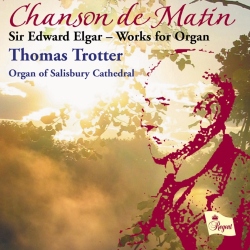
2:41
2
3:49
3
5:39
4
1:36