


Thomas Attwood
Released Album
Choral
-
 September 16, 2022
 -
 December 19, 2017
 -
 August 14, 2012
 -
 June 26, 2007
 -
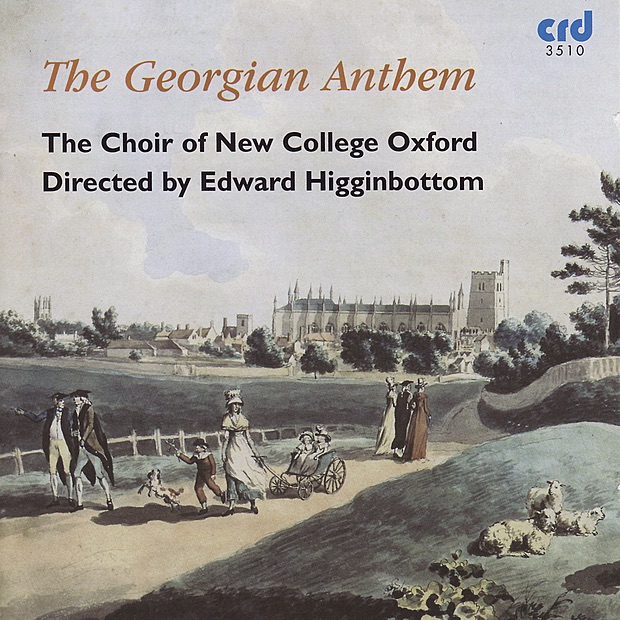 May 8, 2007
 -
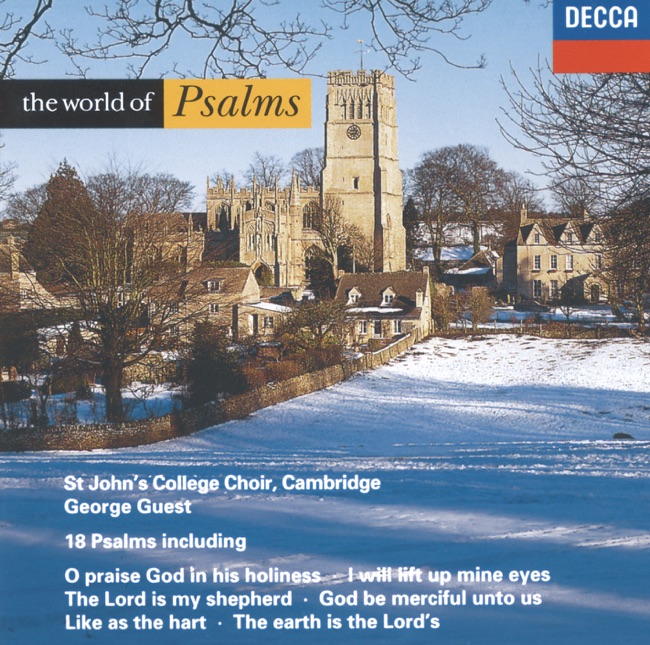 March 1, 2004
Keyboard
-
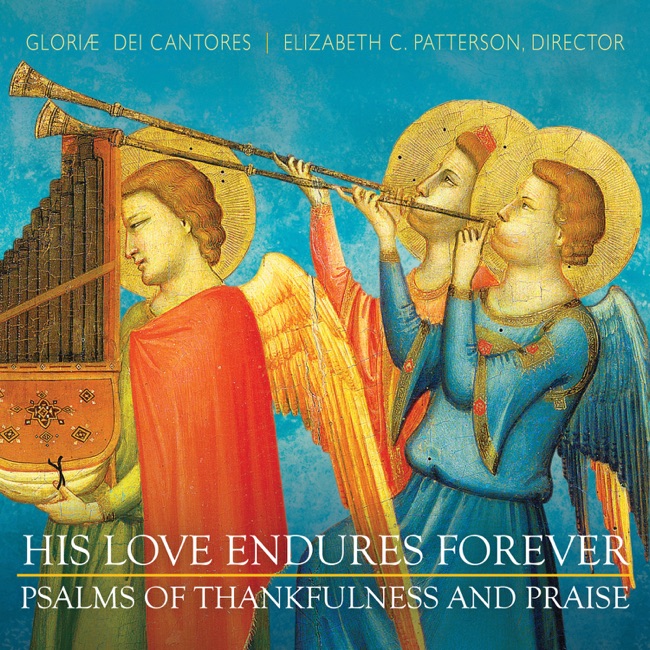 October 1, 2008
 -
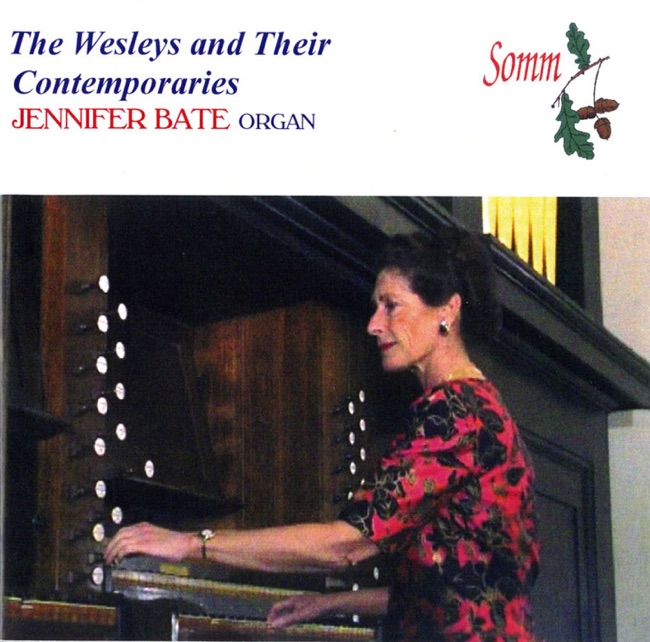 February 28, 2006
Vocal
-
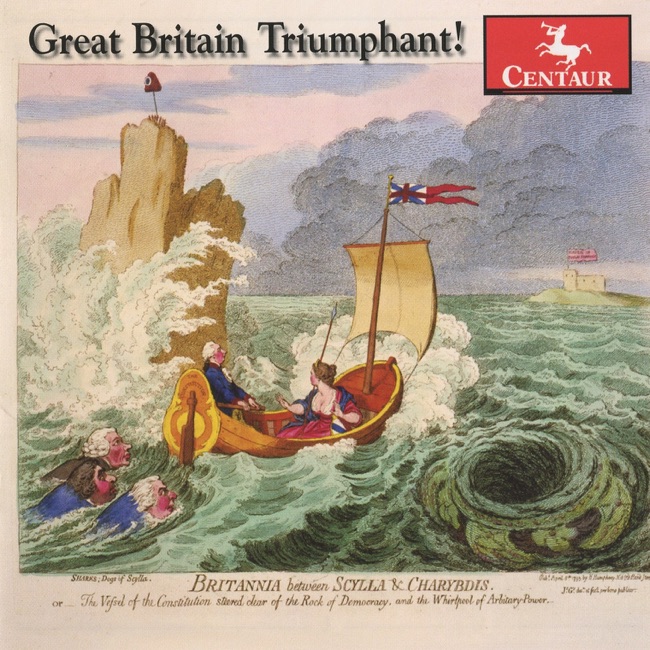 June 1, 2011
Miscellaneous
-
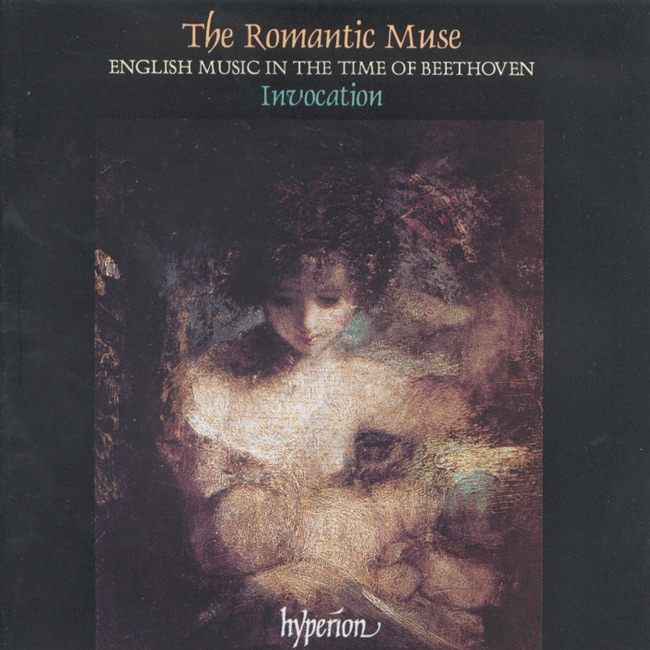 November 1, 1994
Artist Info
Role:ComposerCountry: United KingdomBirth:November 23, 1765 in London, EnglandDeath:March 24, 1838 in London, EnglandPeriod:ClassicalGenre:ChoralThomas Attwood was a prominent English composer and organist of the late 18th and early 19th centuries. He was born on November 23, 1765, in Hunsdon, Hertfordshire, England, to a musical family. His father, William Attwood, was a musician and composer, and his mother, Mary, was a singer. Thomas showed an early interest in music and began his musical education at a young age. Attwood's musical education began with his father, who taught him the basics of music theory and composition. He then studied with the organist of St. Paul's Cathedral, James Nares, who was impressed with his talent and recommended him to the composer and organist, George Frederic Handel. Attwood became a chorister at the Chapel Royal, where he received further training in music. In 1783, Attwood was appointed as the organist at St. Paul's Cathedral, where he served for six years. During this time, he composed a number of works, including anthems, hymns, and organ pieces. He also became a member of the Royal Society of Musicians, which was a prestigious organization for musicians in England. In 1787, Attwood was appointed as the organist and composer to the Duke of Sussex, who was a patron of the arts. This position allowed him to compose music for the Duke's private concerts and to perform in public concerts. Attwood's compositions during this time included chamber music, songs, and piano pieces. Attwood's most significant appointment came in 1796 when he was appointed as the organist and composer to the Chapel Royal. This was a highly prestigious position, and it allowed him to compose music for the royal family and to perform in public concerts. Attwood held this position until his death in 1838. Attwood's compositions during his time at the Chapel Royal were varied and included anthems, hymns, and choral works. He also composed music for the coronation of King George IV in 1821, which was a significant event in his career. Attwood's music was highly regarded during his lifetime, and he was considered one of the leading composers of his time. Attwood's style of composition was influenced by the music of Handel and Mozart, and he was known for his use of counterpoint and his skill in writing for the voice. His music was characterized by its clarity, elegance, and simplicity, and it was often performed in public concerts and private gatherings. Attwood's most famous work is his Te Deum in G, which was composed in 1794. This work is a choral piece that is often performed in Anglican and Catholic churches. It is a beautiful and uplifting piece of music that showcases Attwood's skill in writing for the voice. Attwood's other notable works include his anthem "Come, Holy Ghost," which is still performed in churches today, and his piano sonatas, which were highly regarded during his lifetime. He also composed a number of songs, including "The Soldier's Dream," which was a popular song during the Napoleonic Wars. Attwood was also a respected teacher of music, and he taught a number of prominent musicians, including Felix Mendelssohn and John Goss. He was known for his patience and his ability to inspire his students to achieve their full potential. Attwood died on March 24, 1838, in London, England. He was buried in St. Paul's Cathedral, where he had served as the organist many years before. Attwood's legacy as a composer and musician lives on today, and his music continues to be performed and enjoyed by audiences around the world.More....
Recent Artist Music
Copyright Ⓒ 2013 Davinci Finger. All rights reseved
Service Terms & Policy