


Joseph Rheinberger
Released Album
Choral
-
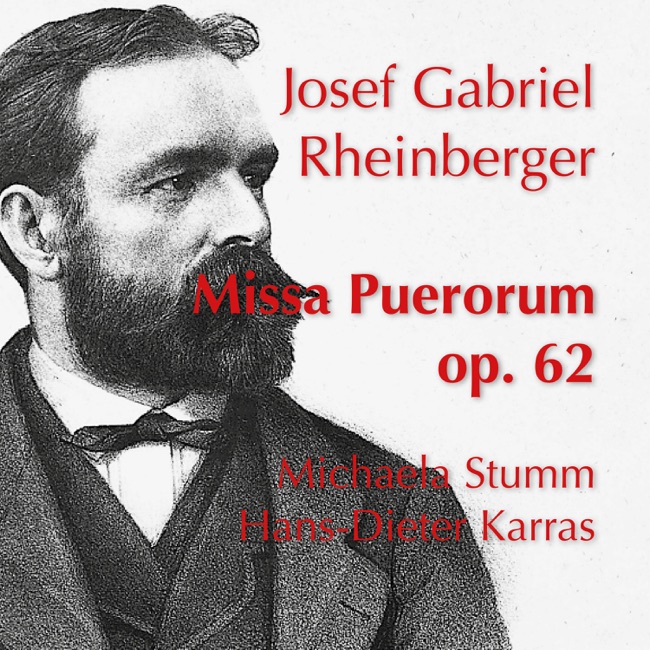 May 10, 2024
 -
-
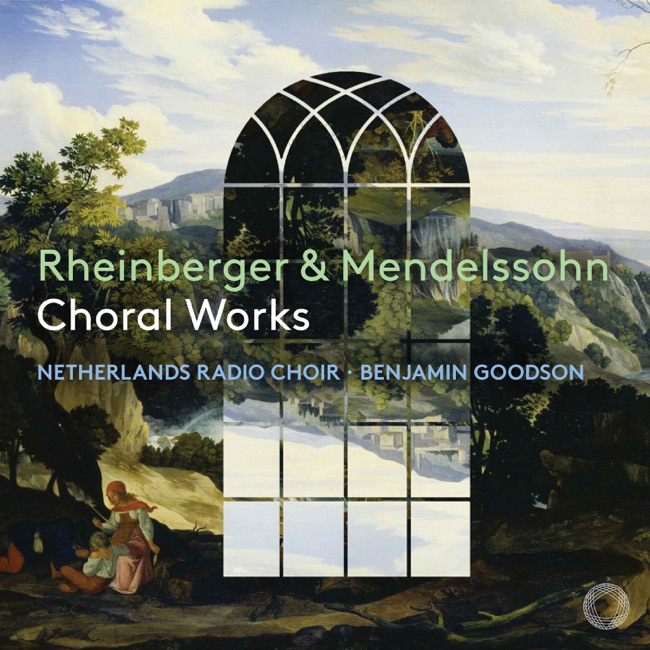 October 20, 2023
 -
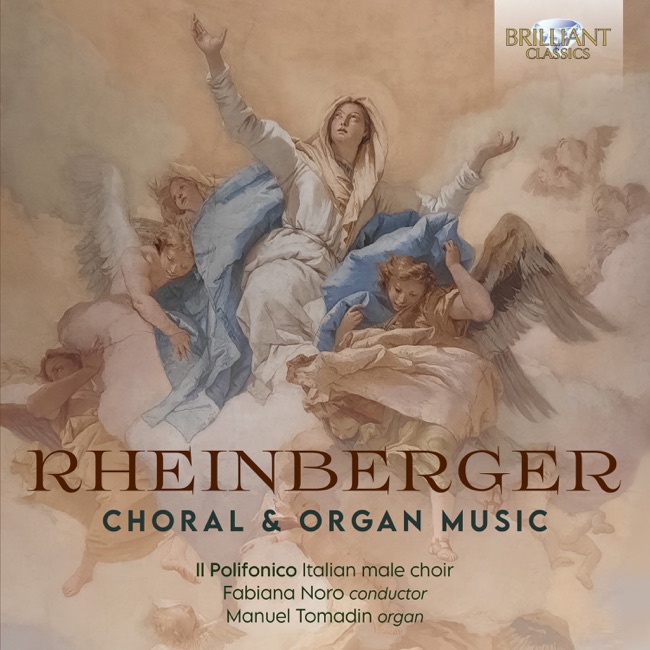 March 29, 2023
 -
 November 13, 2020
 -
 September 25, 2020
Keyboard
-
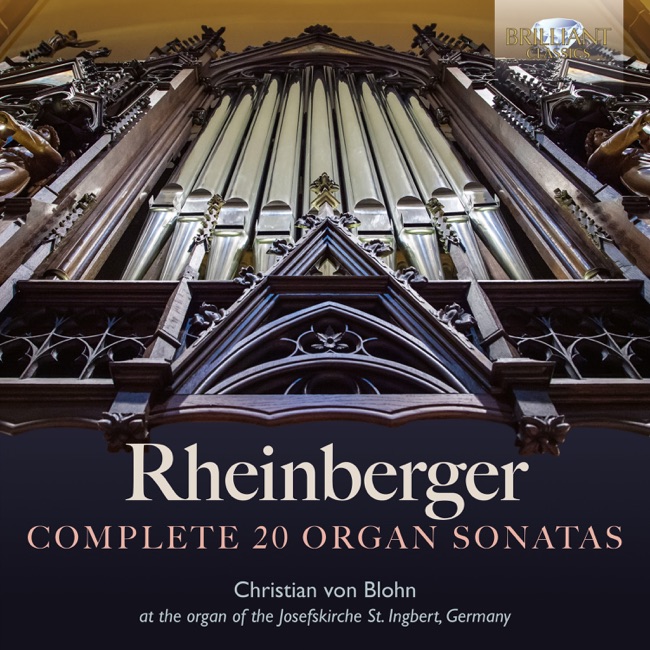 September 23, 2024
 -
 May 10, 2024
 -
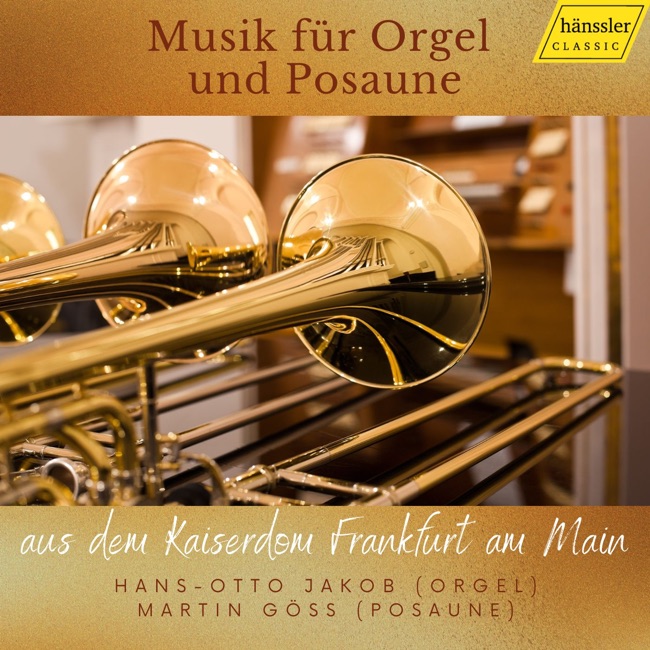 March 31, 2023
 -
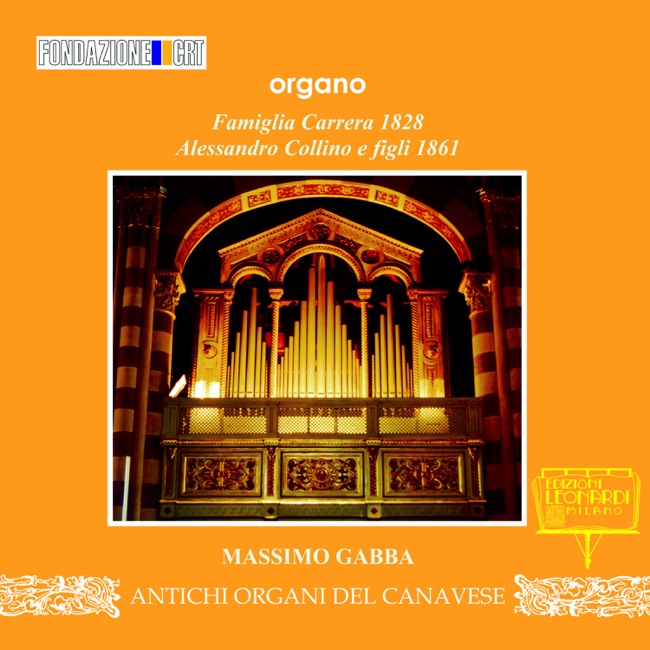
-
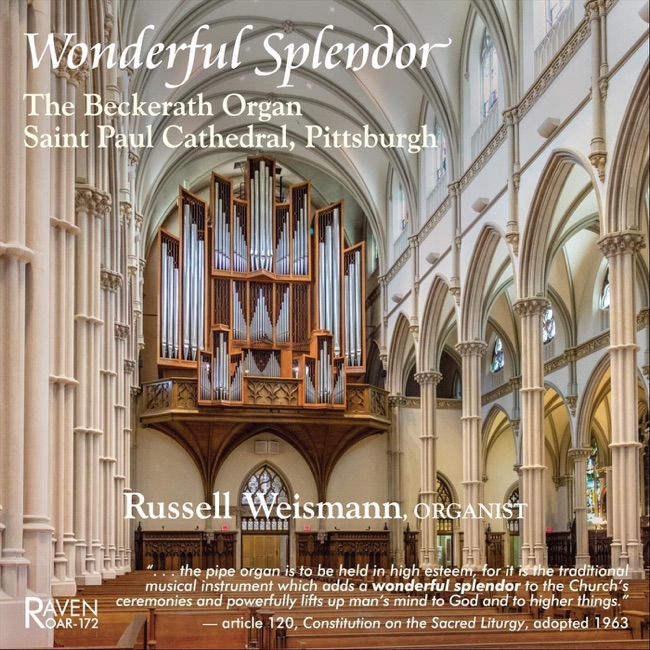 October 15, 2021
 -
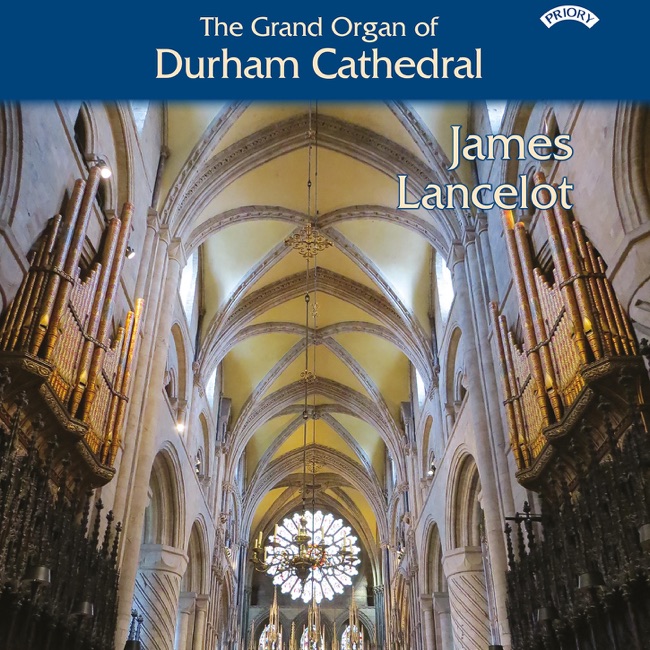 October 1, 2021
Chamber
-
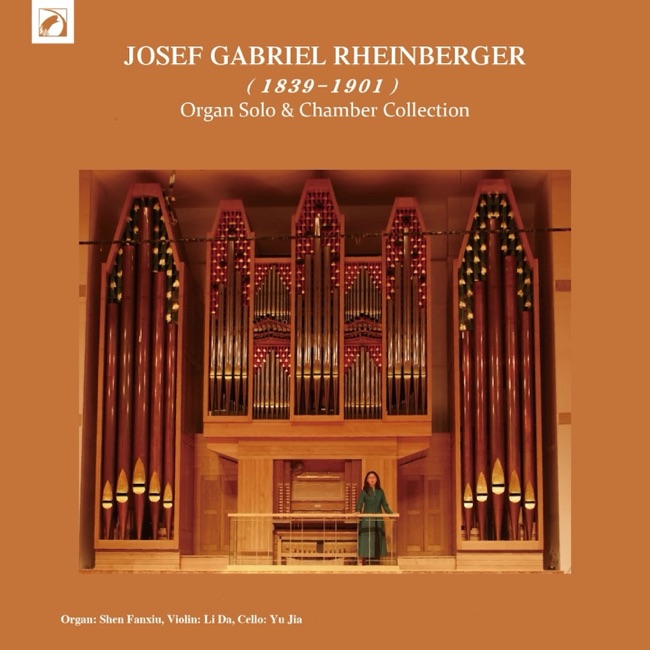
-
 September 22, 2022
 -
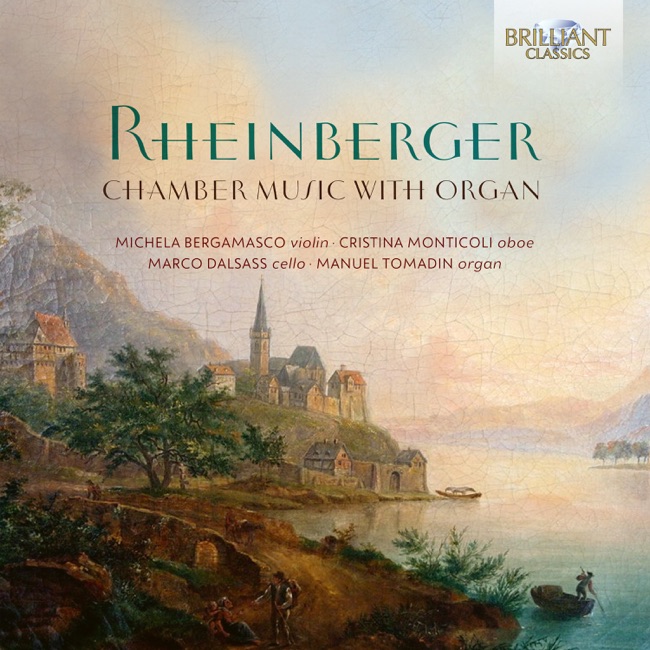 March 25, 2022
 -
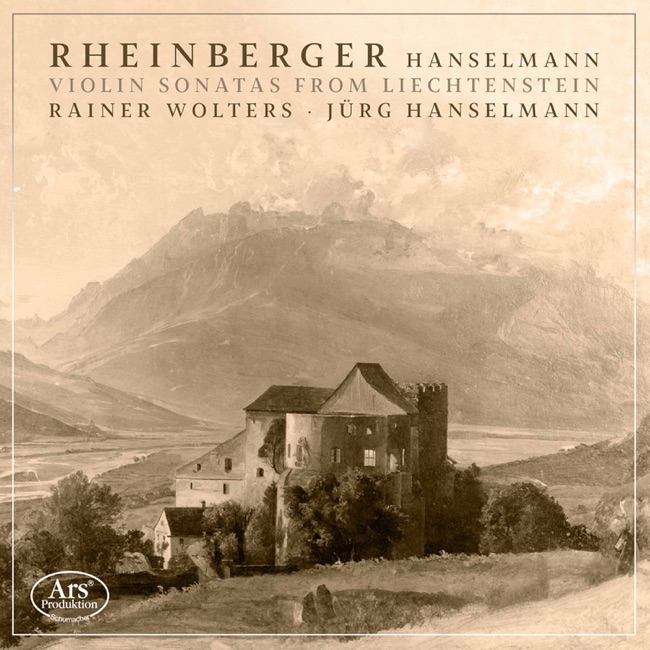 November 19, 2021
 -
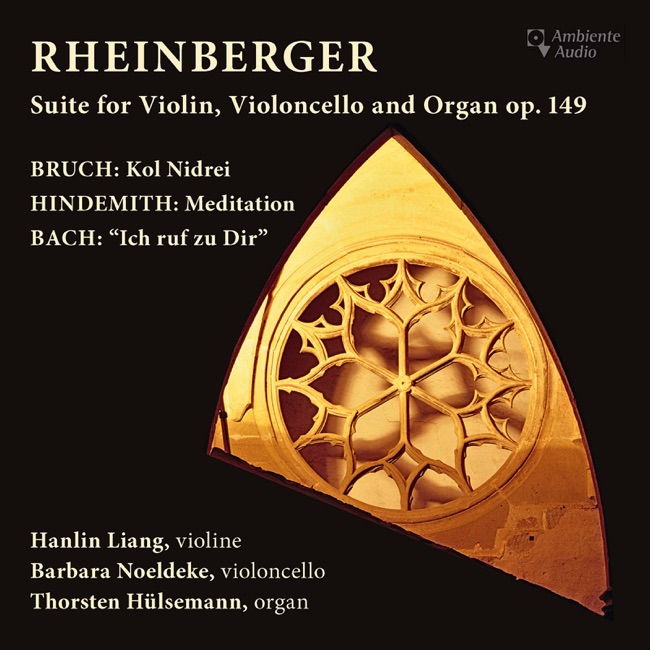 July 16, 2021
 -
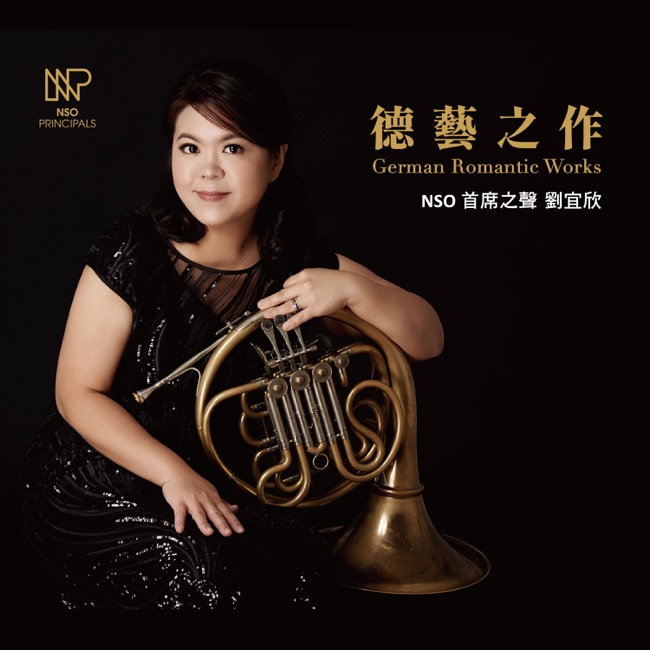 June 30, 2021
Vocal
-
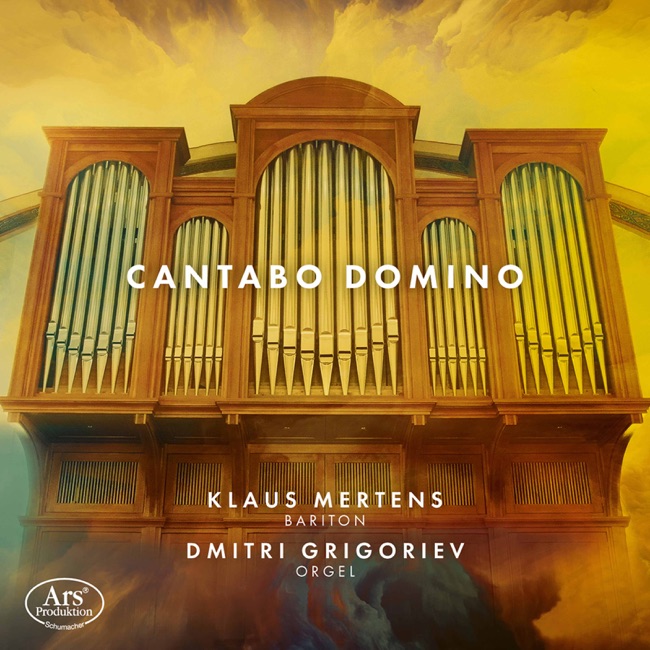 November 19, 2021
 -
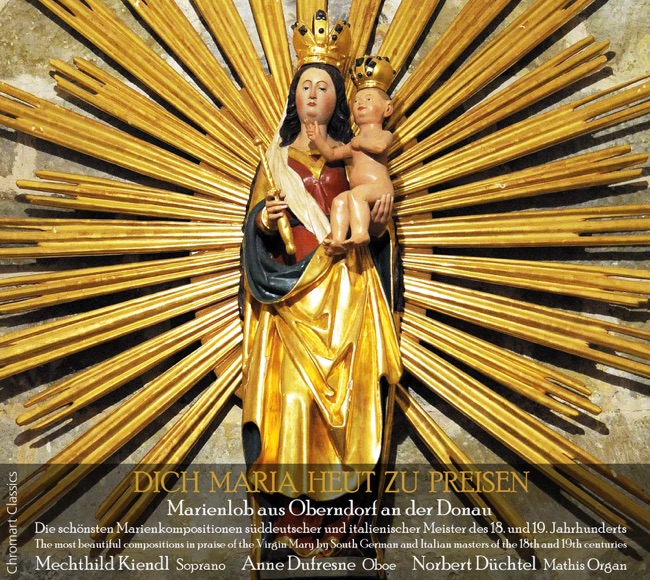 February 26, 2016
 -
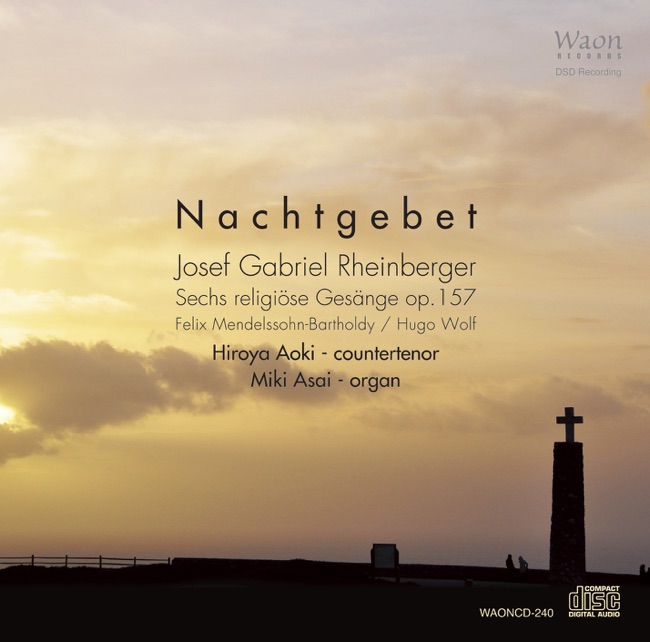 December 17, 2013
 -
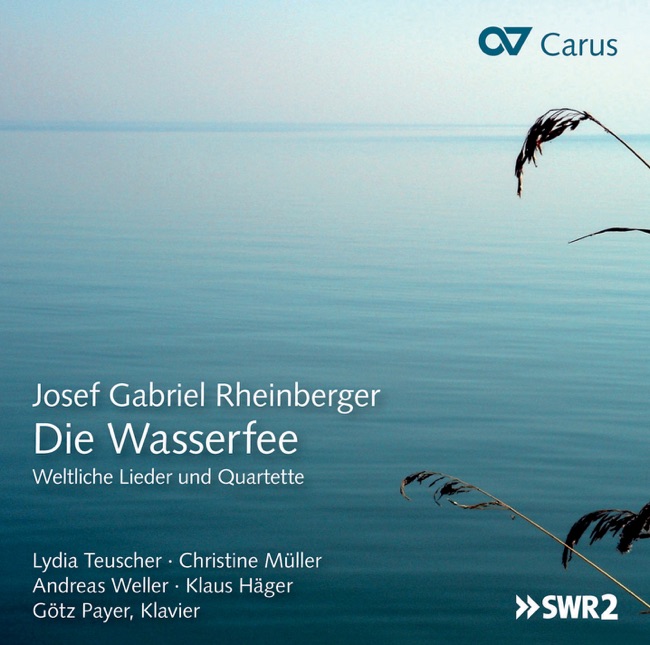
-
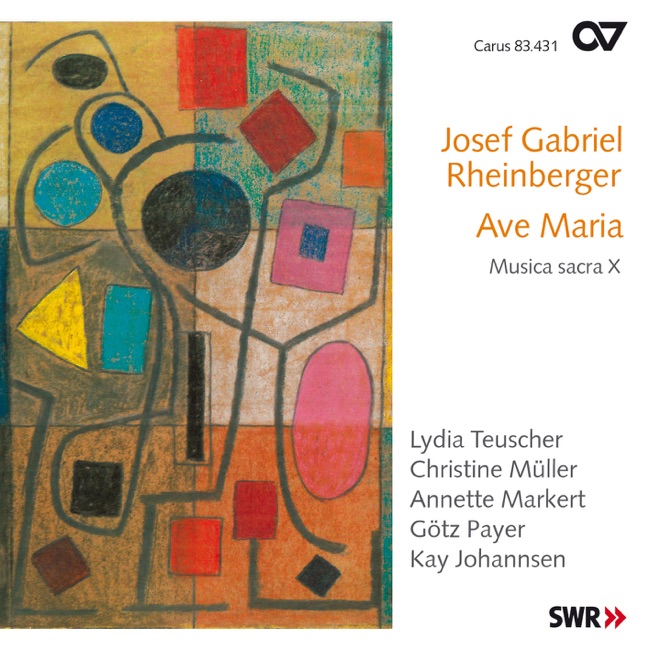 September 14, 2010
 -
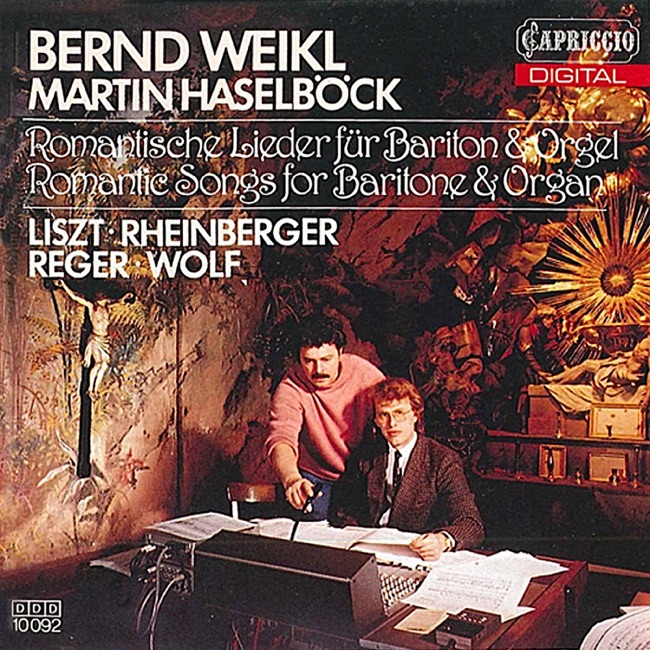 August 1, 2010
Artist Info
Role:ComposerCountry: GermanyBirth:March 17, 1839 in Vaduz, LichtensteinDeath:November 25, 1901 in Munich, GermanyPeriod:RomanticGenre:ChamberChoralKeyboardOrchestralJoseph Rheinberger was a German composer and organist who lived from 1839 to 1901. He was born in Vaduz, Liechtenstein, which was then part of the Austrian Empire. His father was a government official, and his mother was a talented amateur musician who gave him his first piano lessons. Rheinberger showed an early aptitude for music, and his parents encouraged him to pursue it. At the age of seven, Rheinberger began studying piano with a local teacher. He quickly progressed and began composing his own music. When he was ten, his family moved to Munich, where he continued his musical education. He studied piano, organ, and composition at the Munich Conservatory, where he was a student of Franz Lachner and Josef Gabriel Rheinberger (no relation). After completing his studies, Rheinberger worked as a church organist and music teacher in Munich. He also continued to compose, and his works began to gain recognition. In 1867, he was appointed professor of composition at the Munich Conservatory, a position he held for the rest of his life. He was also appointed court organist to the Bavarian king, Ludwig II. Rheinberger's music is characterized by its lyrical melodies, rich harmonies, and contrapuntal textures. He was influenced by the music of Bach, Mozart, and Schumann, as well as by the Romantic composers of his own time. His works include symphonies, chamber music, choral music, and operas, as well as numerous works for organ. One of Rheinberger's most famous works is his Mass in E-flat major, Op. 109. This work, written for choir, soloists, and orchestra, is a masterpiece of choral writing. It features lush harmonies, soaring melodies, and intricate counterpoint. The Mass has been performed and recorded by many choirs around the world, and is considered one of the great choral works of the 19th century. Another notable work by Rheinberger is his Organ Sonata No. 8 in E minor, Op. 132. This work, written for solo organ, is a virtuosic tour de force that showcases the full range of the instrument. It features complex harmonies, intricate counterpoint, and dazzling technical passages. The sonata has become a staple of the organ repertoire, and is considered one of the greatest works for the instrument. Rheinberger also wrote several operas, including Die sieben Raben (The Seven Ravens) and Der Trompeter von Säckingen (The Trumpeter of Säckingen). These works are notable for their lyrical melodies, colorful orchestration, and dramatic storytelling. Although they are not as well-known as some of his other works, they are still performed occasionally today. In addition to his compositions, Rheinberger was also a respected music educator. He taught many students at the Munich Conservatory, including the composer Engelbert Humperdinck (best known for his opera Hänsel und Gretel). Rheinberger's teaching emphasized the importance of counterpoint and harmony, and his students went on to become successful composers and teachers in their own right. Rheinberger died in 1901 at the age of 62. His music fell out of favor in the years following his death, as the musical world moved away from the Romantic style. However, in recent years there has been a renewed interest in his music, and his works are once again being performed and recorded. Today, Rheinberger is recognized as one of the great composers of the Romantic era, and his music continues to inspire and delight audiences around the world.More....
Recent Artist Music
1
4:44
2
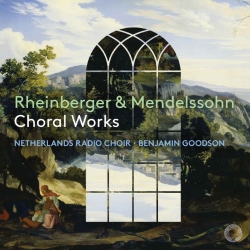
3:38
3
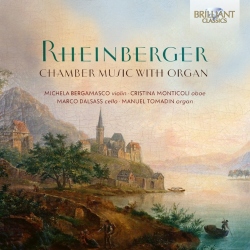
9:37
5
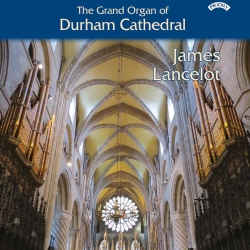
19:0
6
4:30
7
9:7

9
5:13
15
10:26
Works Highlight
Recommend Playlist


Related Artists
Copyright Ⓒ 2013 Davinci Finger. All rights reseved
Service Terms & Policy