


Paul Kuen
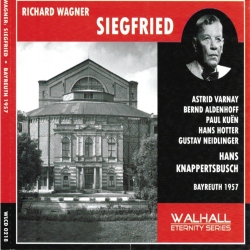
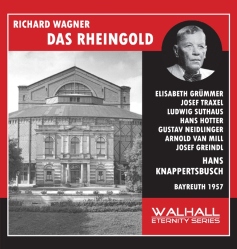
Released Album
Opera
-
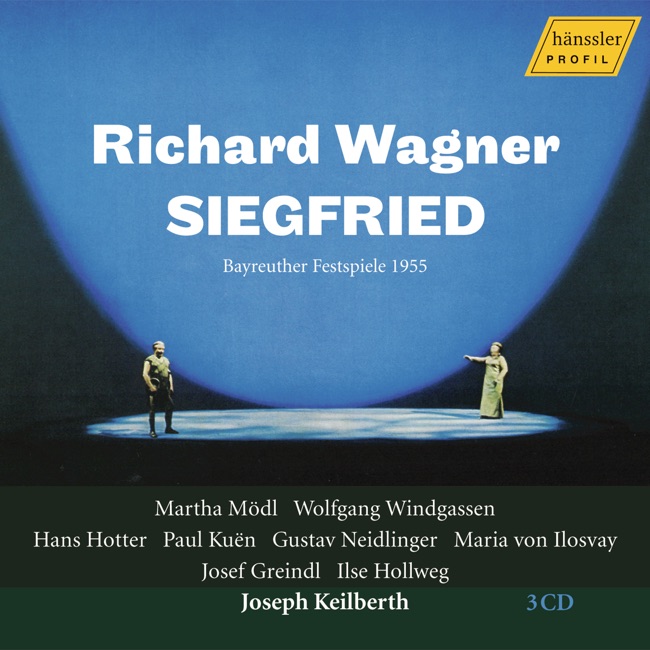 July 5, 2024
 -
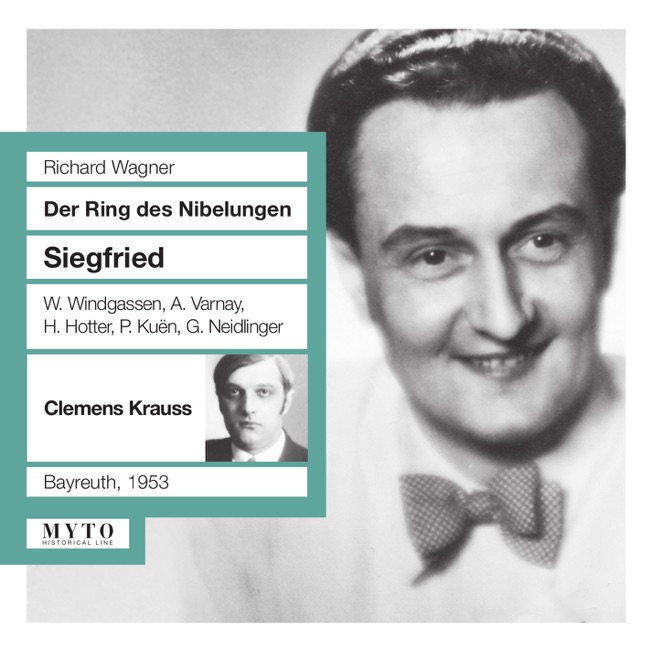 April 1, 2015
 -
 March 7, 2015
 -
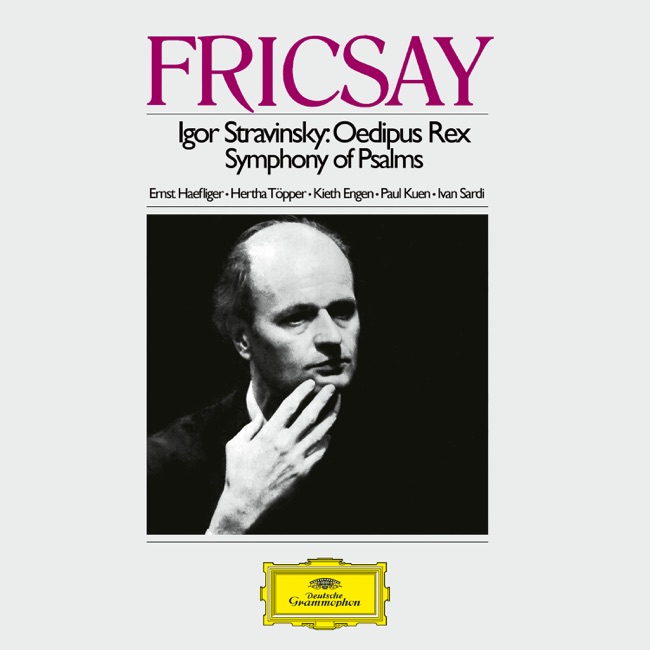 January 1, 2015
 -
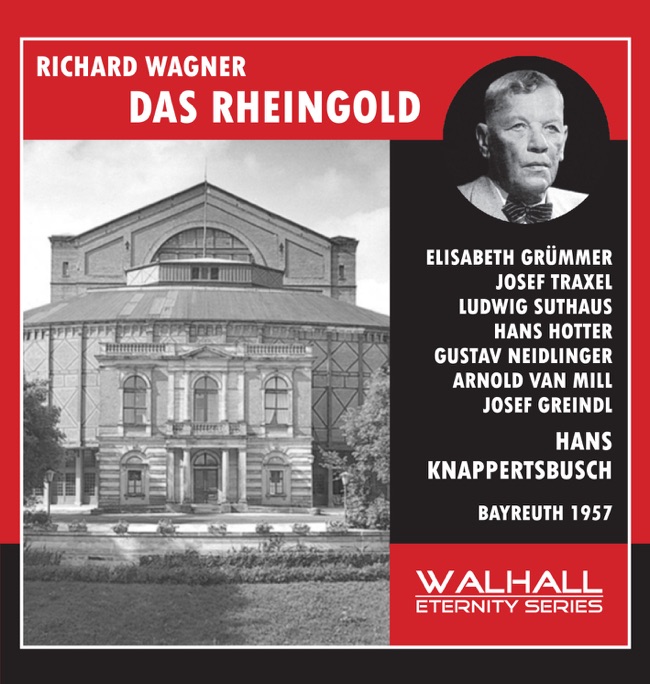 November 11, 2014
 -
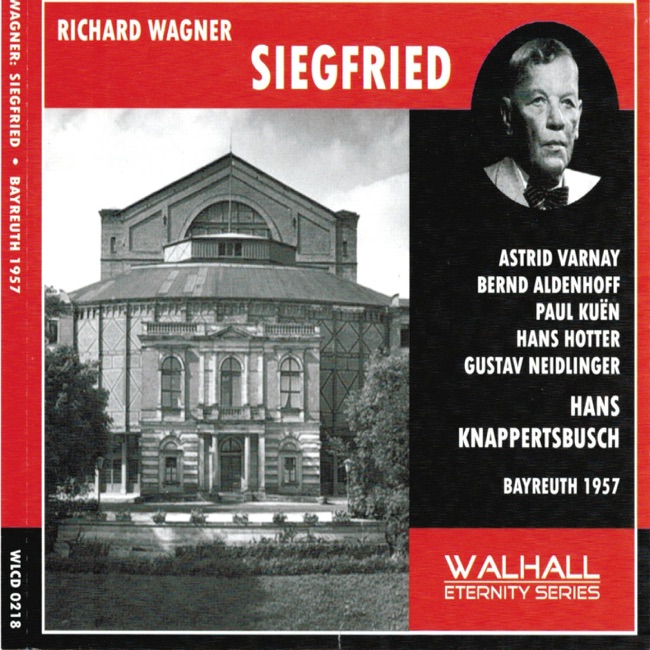 November 11, 2014
Choral
-
 January 14, 2003
 -
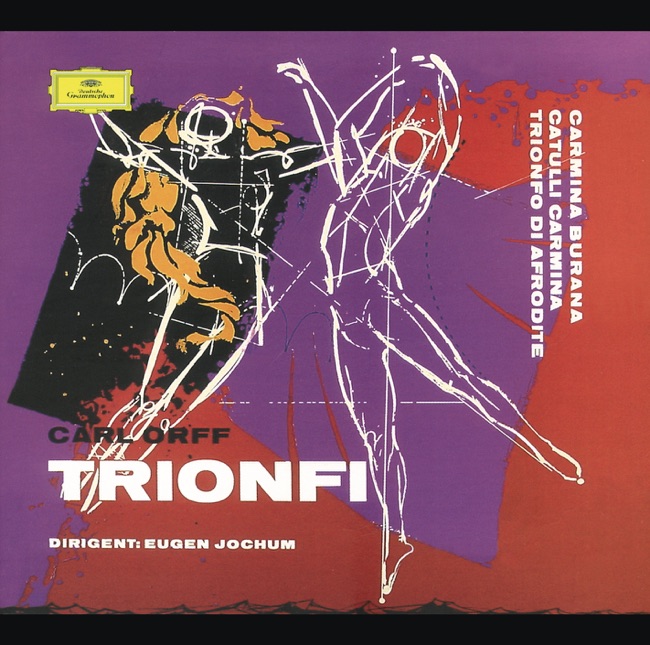 January 1, 2002
Miscellaneous
-
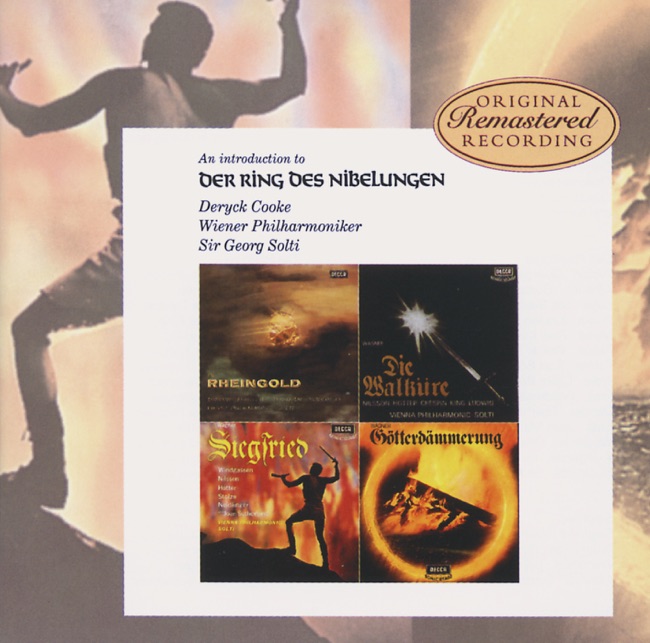 January 1, 1968
Artist Info
Period:RomanticModernGenre:ChoralOperaPaul Kuen was a renowned classical music artist who was born on May 15, 1928, in Vienna, Austria. He was the son of a music teacher and grew up in a family that was deeply involved in music. From a young age, Kuen showed a natural talent for music and began playing the piano at the age of four. He later learned to play the violin and the cello, and by the time he was a teenager, he had already established himself as a gifted musician. Kuen's musical education began at the Vienna Music Academy, where he studied under the tutelage of some of the most renowned music teachers of the time. He later went on to study at the Salzburg Mozarteum, where he honed his skills as a cellist. Kuen's talent was quickly recognized, and he was soon performing in some of the most prestigious concert halls in Europe. In 1950, Kuen made his debut as a soloist with the Vienna Symphony Orchestra, performing the Haydn Cello Concerto in C Major. The performance was a resounding success, and Kuen was hailed as a rising star in the classical music world. He went on to perform with many other orchestras throughout Europe, including the Berlin Philharmonic, the London Symphony Orchestra, and the Paris Opera Orchestra. Kuen's career reached new heights in 1958 when he was invited to perform at the Salzburg Festival. He performed the Dvorak Cello Concerto in B Minor, and his performance was met with critical acclaim. The following year, Kuen was invited to perform at the Edinburgh Festival, where he performed the Elgar Cello Concerto in E Minor. Once again, his performance was met with rave reviews, and he was hailed as one of the greatest cellists of his generation. Throughout his career, Kuen was known for his technical mastery and his ability to bring out the emotional depth of the music he played. He was particularly renowned for his interpretations of the works of Bach, Beethoven, and Brahms. His performances were marked by a deep sense of passion and intensity, and he was widely regarded as one of the most expressive cellists of his time. Kuen's career was not without its challenges, however. In 1961, he suffered a serious injury to his left hand, which threatened to end his career. He underwent surgery and spent months in rehabilitation, but he was determined to return to the stage. With the help of his doctors and his own determination, Kuen was able to make a full recovery and return to performing. In 1970, Kuen was awarded the Grand Austrian State Prize for Music, one of the highest honors in the Austrian music world. He continued to perform and record throughout the 1970s and 1980s, and his recordings of the Bach Cello Suites and the Beethoven Sonatas for Cello and Piano are still considered some of the definitive recordings of those works. Kuen retired from performing in 1990, but he continued to be active in the music world as a teacher and mentor. He taught at the Vienna Music Academy and the Salzburg Mozarteum, and he was widely respected for his ability to inspire and guide young musicians. Paul Kuen passed away on December 25, 2012, at the age of 84. He left behind a legacy as one of the greatest cellists of the 20th century, and his recordings and performances continue to inspire and move audiences around the world.More....
Recent Artist Music





Related Artists
Copyright Ⓒ 2013 Davinci Finger. All rights reseved
Service Terms & Policy