


Igor Stravinsky
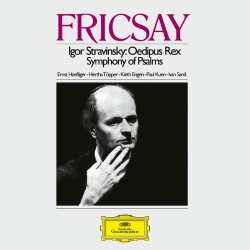
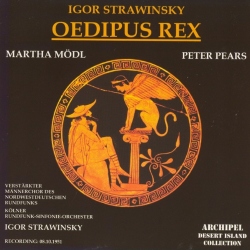
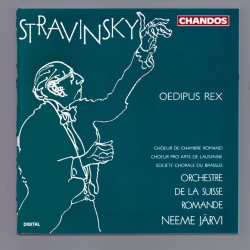
Oedipus Rex
Released Album
Recent Album





Featured Album


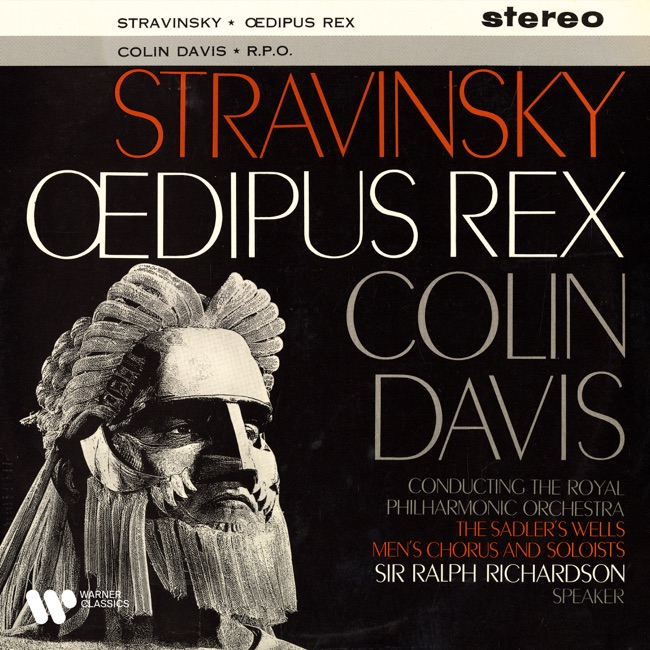

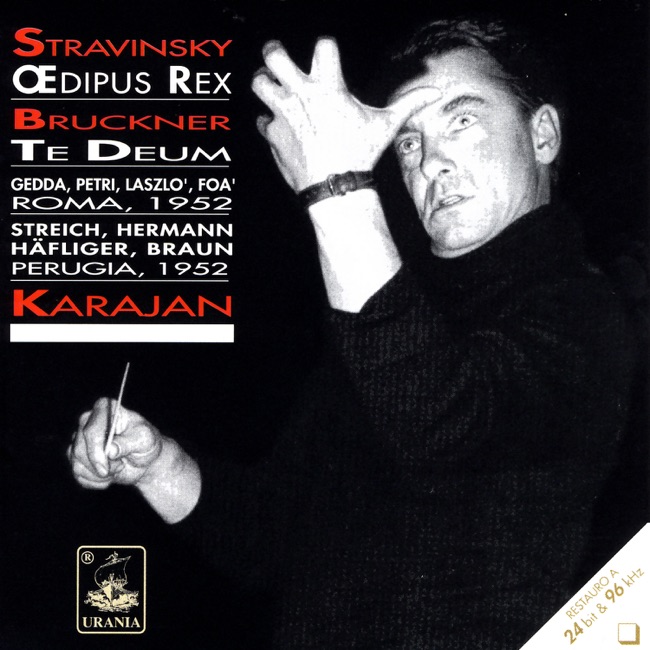

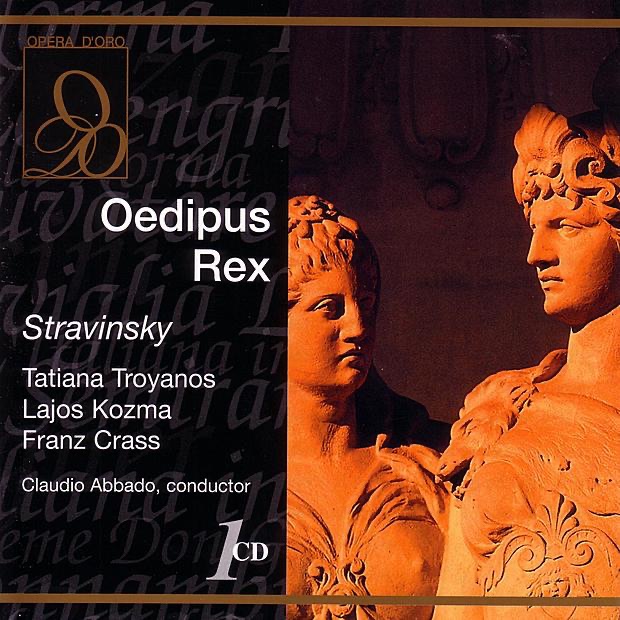
Works Info
Composer:Igor StravinskyGenre:OperaStyle:OratorioCompose Date:1927First Performance:Feb 25, 1928Average_duration:50:48Oedipus Rex is an opera-oratorio composed by Igor Stravinsky in 1927. The libretto was written by Jean Cocteau, based on the ancient Greek tragedy by Sophocles. The opera is in Latin, and it tells the story of Oedipus, the king of Thebes, who unknowingly kills his father and marries his mother, fulfilling a prophecy that he had tried to avoid. The opera is divided into two parts, with a prologue and an epilogue. The prologue sets the scene and introduces the characters, while the first part tells the story of Oedipus' rise to power and his discovery of the truth about his past. The second part deals with the consequences of his actions and his eventual downfall. The music of Oedipus Rex is characterized by Stravinsky's use of neoclassical techniques, including the use of ancient Greek modes and rhythms. The opera is scored for a large orchestra, with a prominent role for the percussion section. The vocal parts are written in a declamatory style, with the singers often speaking rather than singing their lines. Oedipus Rex premiered in Paris on May 30, 1927, with a cast that included Pierre Bernac as Oedipus and Alice Cocea as Jocasta. The production was directed by Georges Pitoëff, with sets and costumes by André Derain. The opera was well-received by critics and audiences alike, and it has since become one of Stravinsky's most popular works. The movements of Oedipus Rex are as follows: Prologue: The narrator introduces the story and the characters. Act I: Oedipus arrives in Thebes and solves the riddle of the Sphinx, becoming the king of Thebes. Act II: Oedipus discovers the truth about his past and realizes that he has fulfilled the prophecy. Act III: Jocasta commits suicide, and Oedipus blinds himself. Epilogue: The narrator reflects on the tragedy and the lessons that can be learned from it. Overall, Oedipus Rex is a powerful and dramatic work that explores themes of fate, free will, and the consequences of our actions. Stravinsky's music and Cocteau's libretto combine to create a haunting and unforgettable experience for audiences.More....
Works Music
Released Music





Featured Music
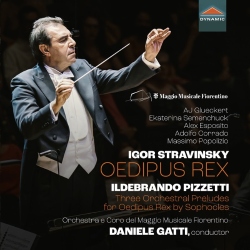

Main Perform Artists
Tenor Vocal
Mezzo-Soprano Vocal
Vocals
Tenor Vocal
Vocals
Baritone Vocal
Tenor Vocal
Mezzo-Soprano Vocal
Bass Vocal
Baritone Vocal
Baritone Vocal