


Marcel Wittrisch
Released Album
Opera
-
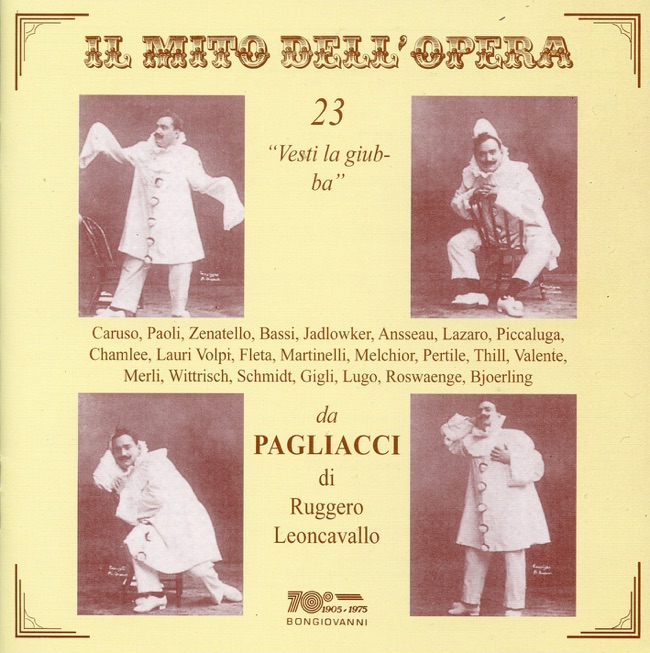 September 1, 2013
 -
 December 12, 2011
 -
 March 1, 2011
 -
 March 1, 2011
 -
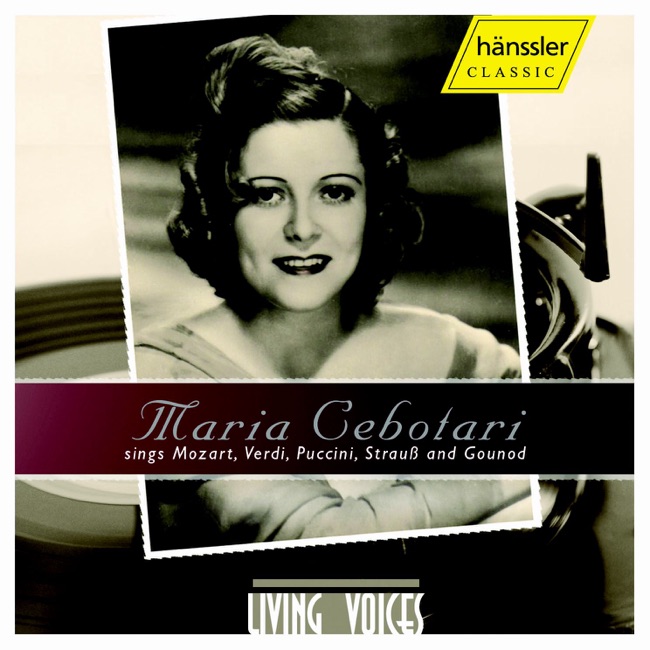 November 15, 2004
 -
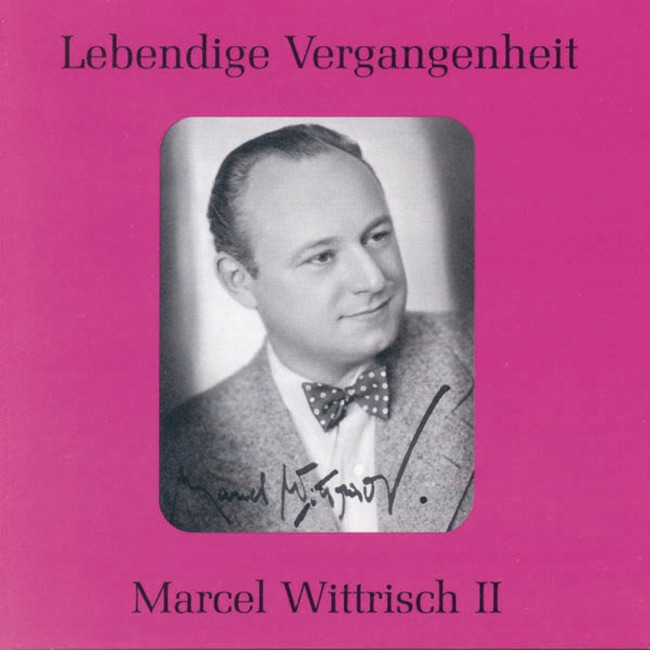 June 29, 2004
Vocal
-
 January 24, 2000
Artist Info
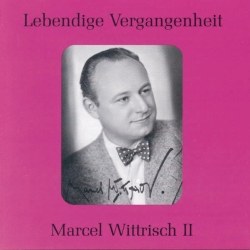
Role:ComposerBirth:October 1, 1901 in Antwerp, BelgiumDeath:June 3, 1955 in Stuttgart, GermanyPeriod:RomanticModernGenre:OperaVocalMarcel Wittrisch was a renowned German tenor who made a significant contribution to the world of classical music during the early 20th century. Born on September 16, 1901, in Dresden, Germany, Wittrisch showed an early interest in music and began his vocal training at the age of 16. He studied under the guidance of renowned vocal coaches such as Hermann Weissenborn and Ernst Grenzebach, who helped him develop his unique style and technique. Wittrisch made his professional debut in 1924 at the Dresden State Opera, where he performed the role of Tamino in Mozart's "The Magic Flute." His performance was well-received, and he soon became a regular performer at the opera house. In 1926, he made his debut at the Berlin State Opera, where he performed the role of Don Ottavio in Mozart's "Don Giovanni." This performance marked the beginning of his successful career as an opera singer. Throughout his career, Wittrisch performed in numerous operas, including works by Mozart, Verdi, Wagner, and Puccini. He was known for his powerful voice, impeccable technique, and dramatic stage presence. His performances were often praised for their emotional depth and intensity, and he was considered one of the finest tenors of his time. One of Wittrisch's most notable performances was his portrayal of the title role in Richard Strauss's "Der Rosenkavalier" at the Dresden State Opera in 1933. His performance was widely acclaimed, and he received critical praise for his interpretation of the character. He also performed the role of Siegmund in Wagner's "Die Walküre" at the Bayreuth Festival in 1936, which was considered a major highlight of his career. In addition to his work in opera, Wittrisch also performed in concerts and recitals throughout Europe. He was known for his interpretations of German lieder, and his performances of Schubert's "Winterreise" and Schumann's "Dichterliebe" were particularly well-received. He also performed in numerous radio broadcasts and made several recordings, which helped to popularize his work and introduce him to a wider audience. Wittrisch's career was interrupted by the outbreak of World War II, during which he served in the German army. After the war, he resumed his career and continued to perform in operas and concerts throughout Europe. He also became a vocal coach and taught at the Dresden Conservatory, where he helped to train a new generation of singers. Throughout his career, Wittrisch received numerous awards and honors for his contributions to the world of classical music. In 1937, he was awarded the title of Kammersänger by the Dresden State Opera, which recognized his outstanding achievements as a singer. He was also awarded the Goethe Medal in 1951, which is one of the highest honors that can be bestowed upon an artist in Germany. Marcel Wittrisch died on June 8, 1955, in a car accident near Dresden. His death was a great loss to the world of classical music, and he was mourned by his fans and colleagues alike. His legacy lives on through his recordings and the many singers he trained, who continue to perform his repertoire and keep his memory alive.More....
Recent Artist Music

Related Artists
Copyright Ⓒ 2013 Davinci Finger. All rights reseved
Service Terms & Policy