


Grand Symphony Orchestra of the All-Union Radio and Television
Released Album
Symphony
-
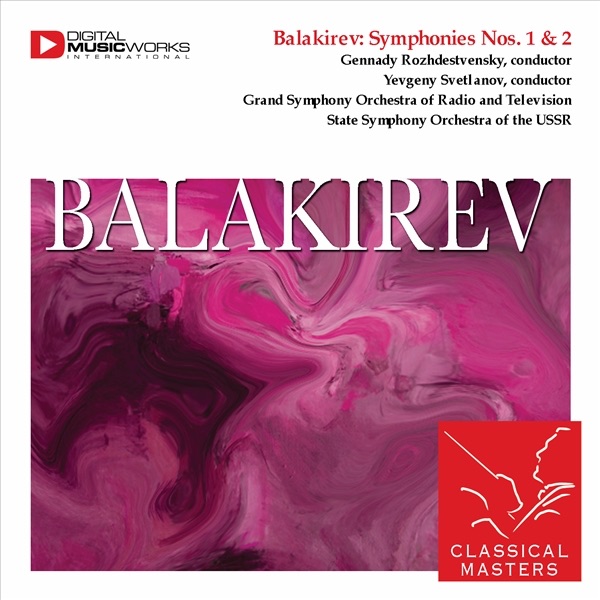 August 21, 2007
 -
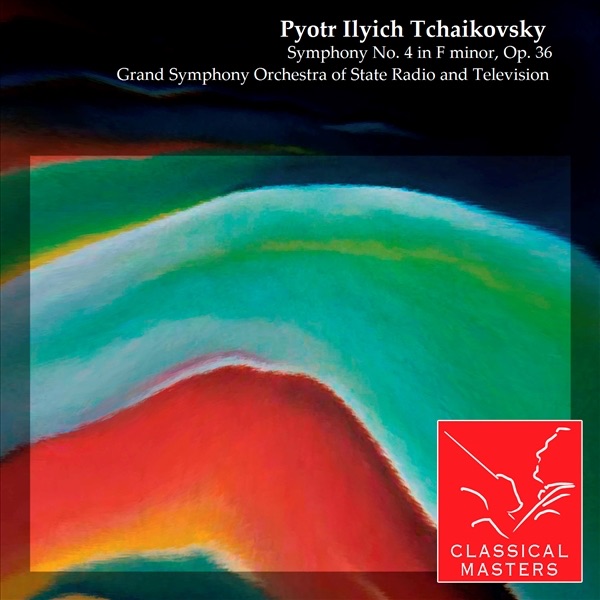 June 9, 2006
 -
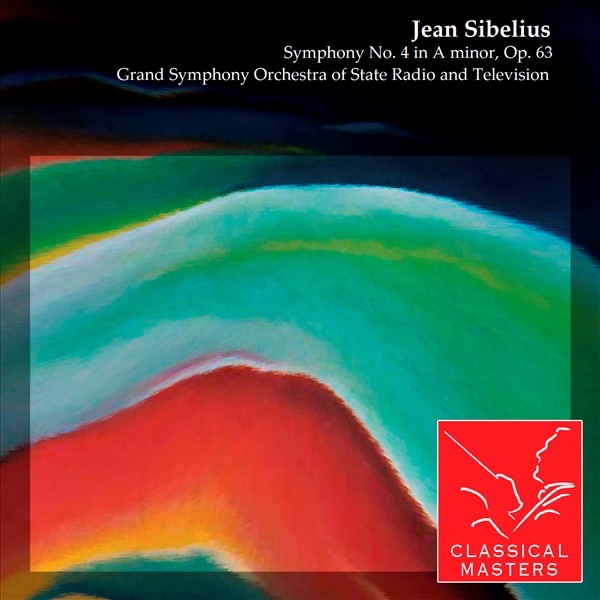 June 9, 2006
 -
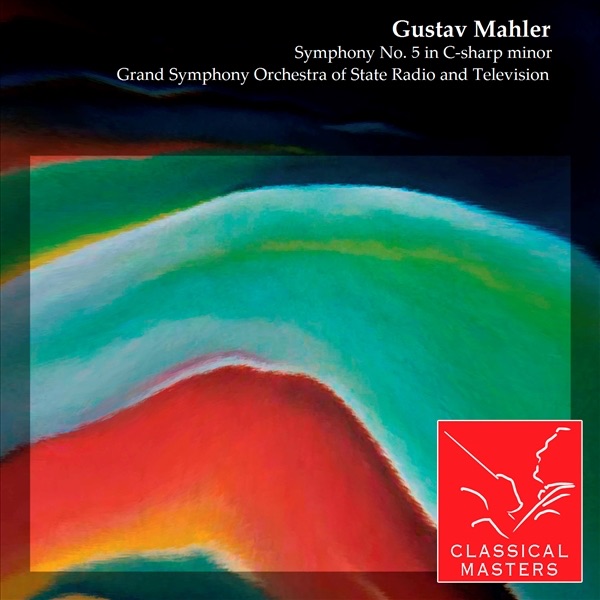 June 8, 2006
 -
 June 8, 2006
 -
Concerto
-
 July 12, 2011
 -
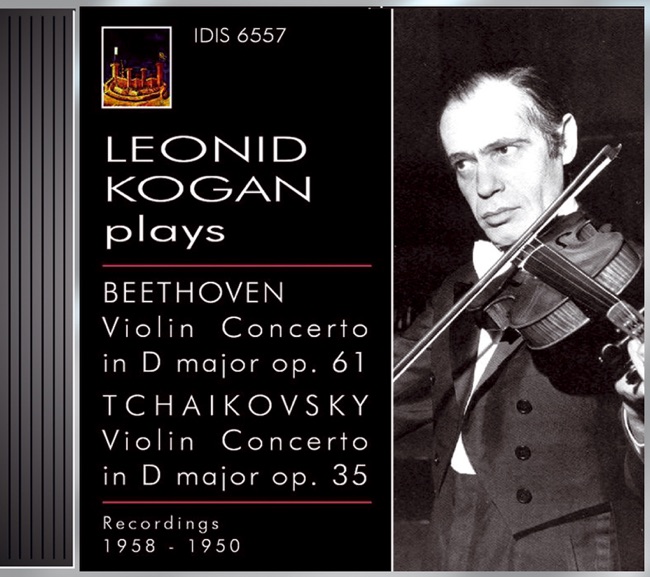 November 25, 2008
 -

Orchestral
-
 June 9, 2006
 -
 June 7, 2006
Artist Info
Role:EnsemblePeriod:RomanticModernGenre:ConcertoOrchestralSymphonyThe Grand Symphony Orchestra of the All-Union Radio and Television, also known as the USSR State Symphony Orchestra, was one of the most prominent classical music ensembles in the Soviet Union. Founded in 1936, the orchestra quickly gained a reputation for its high level of musicianship and its commitment to promoting Soviet music. The orchestra was initially formed as the All-Union Radio Symphony Orchestra, with the aim of providing live music for radio broadcasts across the Soviet Union. Its first conductor was Nikolai Malko, a Danish conductor who had previously worked with the Kiev Opera and the Leningrad Philharmonic. Under Malko's leadership, the orchestra quickly established itself as one of the leading orchestras in the Soviet Union, and began to attract some of the country's most talented musicians. In 1941, the orchestra was renamed the USSR State Symphony Orchestra, and began to tour internationally. Its first overseas tour was to the United States in 1956, where it performed in New York, Washington DC, and other major cities. The tour was a great success, and helped to establish the orchestra's reputation as one of the world's leading classical music ensembles. Over the years, the orchestra worked with many of the world's leading conductors and soloists. Some of the most notable conductors to work with the orchestra include Evgeny Mravinsky, Kirill Kondrashin, and Gennady Rozhdestvensky. The orchestra also collaborated with many of the leading soloists of the day, including pianists Sviatoslav Richter and Emil Gilels, and violinist David Oistrakh. One of the orchestra's most notable performances was its 1962 performance of Shostakovich's Symphony No. 13, "Babi Yar." The symphony, which was based on the massacre of Jews at Babi Yar during World War II, was a powerful indictment of Soviet anti-Semitism. The performance was a great success, and helped to establish the orchestra's reputation as a champion of Soviet music. In addition to its performances of Soviet music, the orchestra also performed many works by Western composers. Some of the most notable performances include its 1960 performance of Mahler's Symphony No. 8, which was conducted by Leopold Stokowski, and its 1972 performance of Stravinsky's "The Rite of Spring," which was conducted by Pierre Boulez. Throughout its history, the orchestra received many awards and honors. In 1965, it was awarded the Lenin Prize, one of the highest honors in the Soviet Union. In 1976, it was awarded the Order of Lenin, the highest civilian honor in the Soviet Union. And in 1986, it was awarded the title of "Academic Symphony Orchestra of the USSR." Despite its many achievements, the orchestra faced many challenges over the years. Like many Soviet institutions, it was subject to political interference, and its repertoire was often dictated by the government. In addition, the orchestra faced financial difficulties in the 1990s, following the collapse of the Soviet Union. Despite these challenges, the orchestra continued to perform at a high level, and remained one of the leading classical music ensembles in the world. In 1991, it was renamed the Russian State Symphony Orchestra, and continued to tour internationally. Today, the orchestra continues to perform under the direction of conductor Valery Polyansky, and remains a testament to the rich tradition of classical music in the Soviet Union.More....
Recent Artist Music
9
25:55
10
25:55
11
23:29
13
8:14
Copyright Ⓒ 2013 Davinci Finger. All rights reseved
Service Terms & Policy