


Ludwig van Beethoven
Piano Sonata No. 28 in A major, Op. 101
Released Album
Recent Album
Featured Album
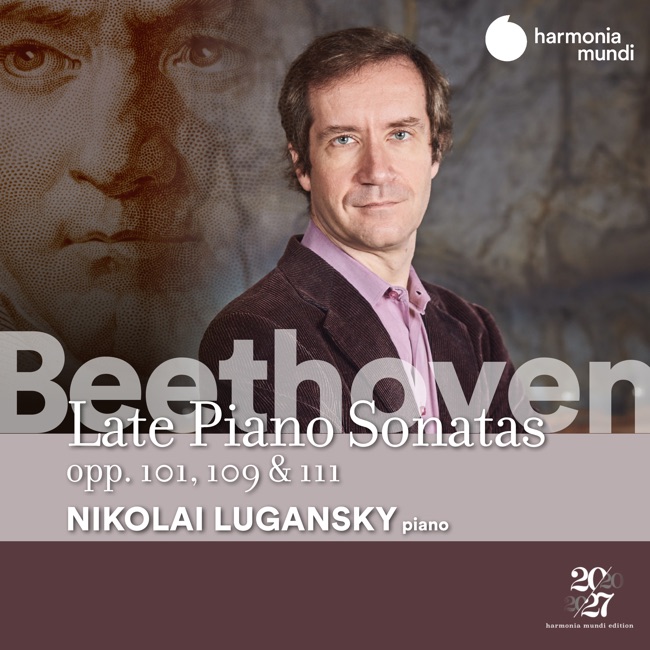
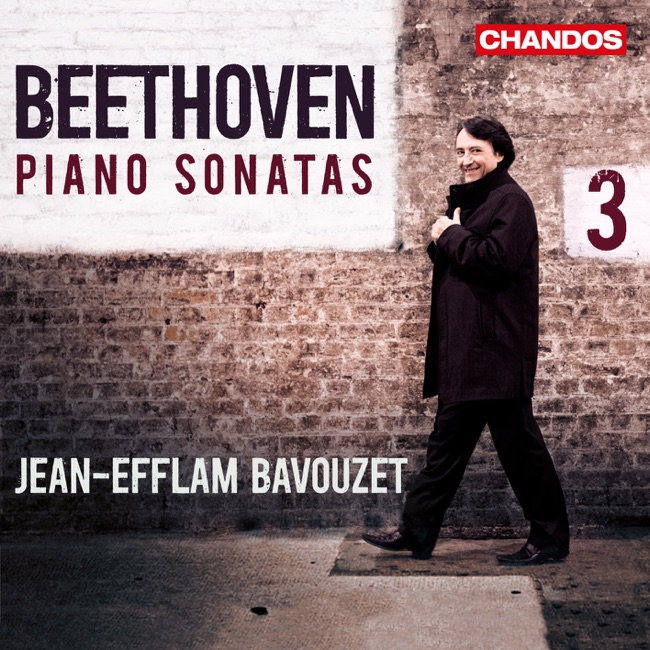
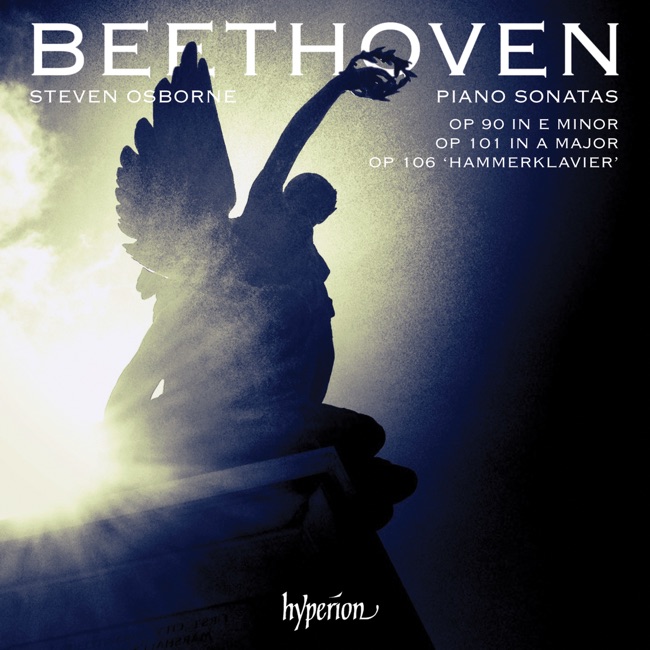
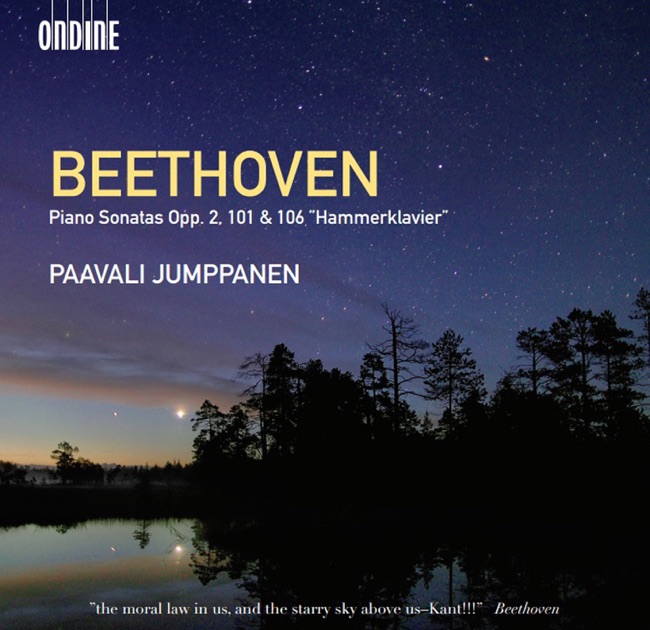
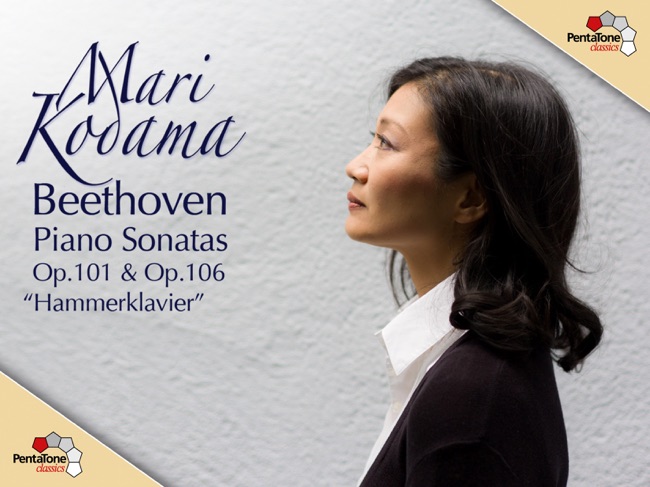
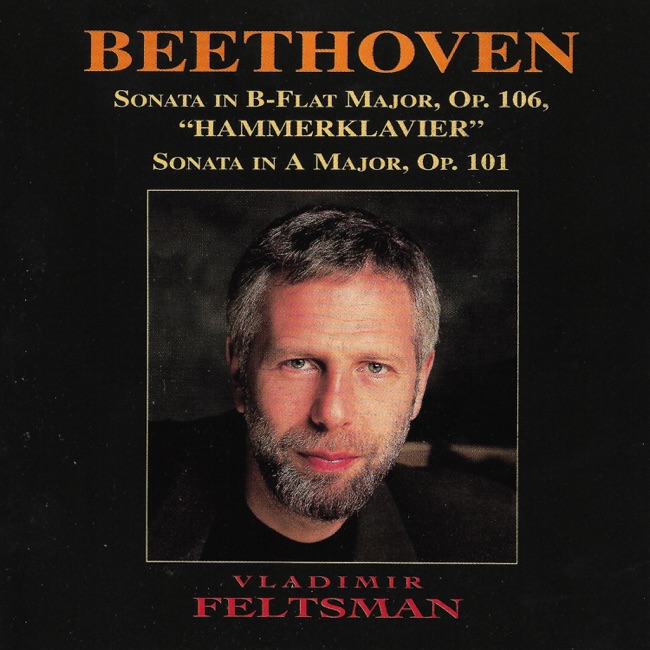
Works Info
Composer:Ludwig van BeethovenGenre:KeyboardStyle:SonataCompose Date:1816Average_duration:20:10Movement_count:4Movement ....Ludwig van Beethoven's Piano Sonata No. 28 in A major, Op. 101, was composed between 1816 and 1817. It was premiered by the composer himself in March 1817 in Vienna. The sonata is divided into four movements, each with its own distinct character and mood. The first movement, marked "Etwas lebhaft und mit der innigsten Empfindung" (Somewhat lively and with the most heartfelt expression), is in sonata form. It begins with a gentle, flowing melody in the right hand, accompanied by a simple chordal pattern in the left. The second theme is more energetic and playful, with a syncopated rhythm and a sense of forward motion. The development section explores both themes in various keys and textures before returning to the recapitulation, which brings the movement to a peaceful close. The second movement, marked "Lebhaft, marschmäßig" (Lively, in the style of a march), is a scherzo and trio. The main theme is a jaunty, syncopated melody that alternates between the hands. The trio section is more lyrical and introspective, with a flowing melody in the right hand and a simple accompaniment in the left. The scherzo returns, with the main theme now transformed into a more complex and virtuosic variation. The third movement, marked "Langsam und sehnsuchtsvoll" (Slow and yearning), is a slow movement in A minor. It begins with a mournful melody in the right hand, accompanied by a simple chordal pattern in the left. The middle section is more agitated, with a rising and falling melody that builds to a climax before returning to the opening theme. The final movement, marked "Geschwind, doch nicht zu sehr und mit Entschlossenheit" (Quickly, but not too much and with determination), is a rondo. The main theme is a lively, playful melody that alternates between the hands. The second theme is more lyrical and introspective, with a flowing melody in the right hand and a simple accompaniment in the left. The rondo returns, with the main theme now transformed into a more complex and virtuosic variation. The movement ends with a coda that brings the sonata to a triumphant close. Overall, Piano Sonata No. 28 in A major, Op. 101, is a work of great emotional depth and technical virtuosity. It showcases Beethoven's mastery of form and his ability to create music that is both intellectually stimulating and emotionally moving.More....
Works Music
Released Music
1
3:28
2
16:6
5
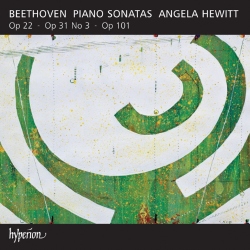
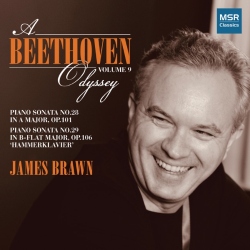
Piano Sonata No. 28 in A major, Op. 101
I. Etwas lebhaft und mit der innigsten Empfindung. Allegretto ma non troppo
4:31
6
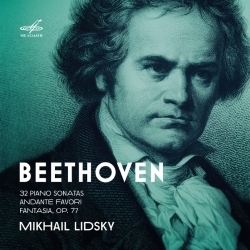
Piano Sonata No. 28 in A major, Op. 101
III. Langsam und sehnsuchtsvoll - Adagio, ma non troppo, con affetto
3:6
8
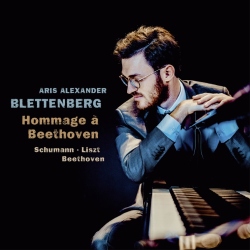
Piano Sonata No. 28 in A major, Op. 101
I. Etwas lebhaft und mit der innigsten Empfindung (Somewhat lively and with innermost sensibility). Allegretto, ma non troppo
4:9
9
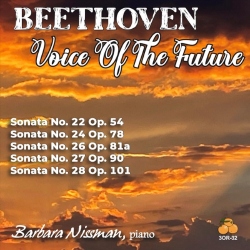
8:26
10
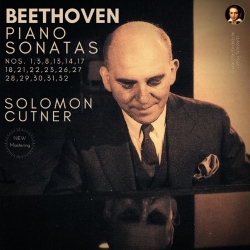
Piano Sonata No. 28 in A major, Op. 101
I. Etwas lebhaft und mit der innigsten Empfindung: Allegretto ma non troppo
3:41
Featured Music
1
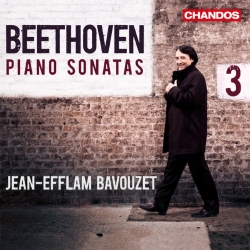
Piano Sonata No. 28 in A major, Op. 101
Etwas lebhaft und mit der innigsten Empfindung (Allegretto, ma non troppo)
4:9
2
Piano Sonata No. 28 in A major, Op. 101
Lebhaft. Marschmäßig (Vivace alla marcia) - [] - Marcia da capo al fine senza repetizione
6:18
3
Piano Sonata No. 28 in A major, Op. 101
Langsam und sehnsuchtvoll (Adagio, ma non troppo, con affetto) - Zeitmaß des ersten Stückes (Tempo del primo pezzo) - Presto -
3:14
4
Piano Sonata No. 28 in A major, Op. 101
Geschwinde, doch nicht zu sehr, und mit Entschlossenheit (Allegro) - [] - Tempo I
7:49
8
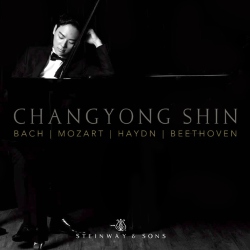
7:43
9
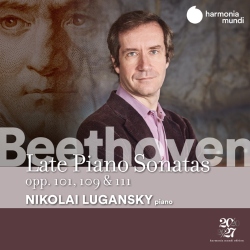
Piano Sonata No. 28 in A major, Op. 101
I. Etwas lebhaft und mit der innigsten Empfindung. Allegretto ma non troppo
4:6
11
Piano Sonata No. 28 in A major, Op. 101
III. Langsam und sehnsuchtsvoll. Adagio, ma non troppo, con affetto
3:25
12
Piano Sonata No. 28 in A major, Op. 101
IV. Geschwind, doch nicht zu sehr und mit Entschlossenheit. Allegro
7:29
Recommend Playlist













Main Perform Artists
Piano
Piano
Piano
Piano
Piano
Piano
Piano
Piano
Piano
Piano
Piano
Piano
Piano
Piano
Piano