


Frédéric Chopin
Etudes (12) for piano, Op. 25
Released Album
Recent Album








Featured Album

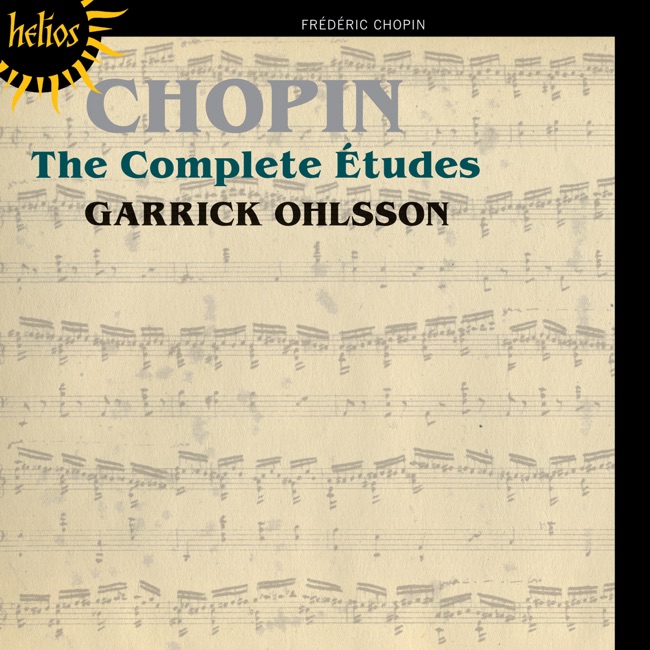

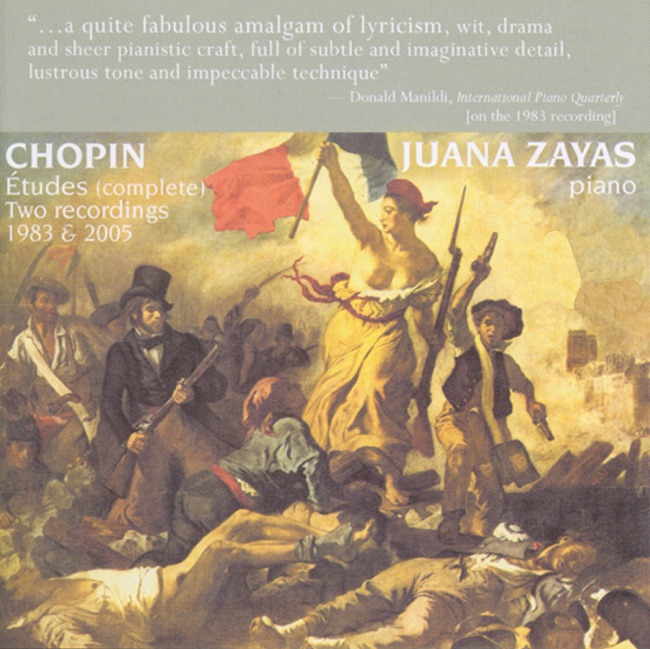
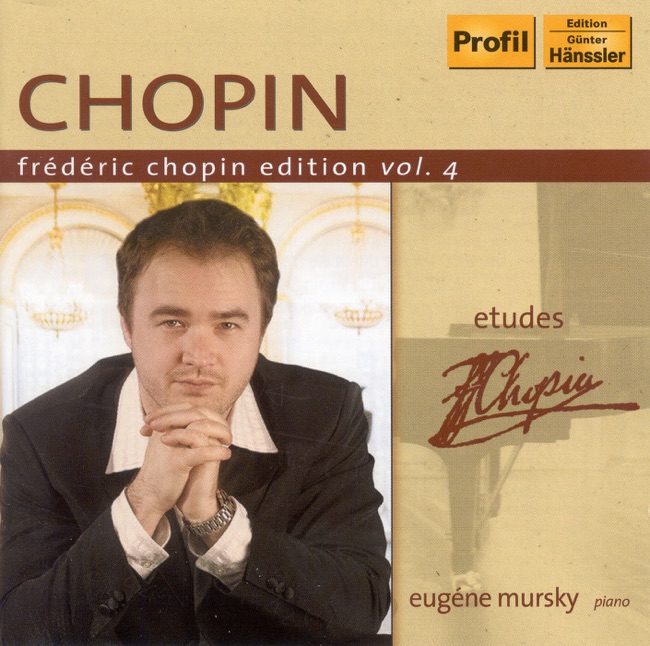

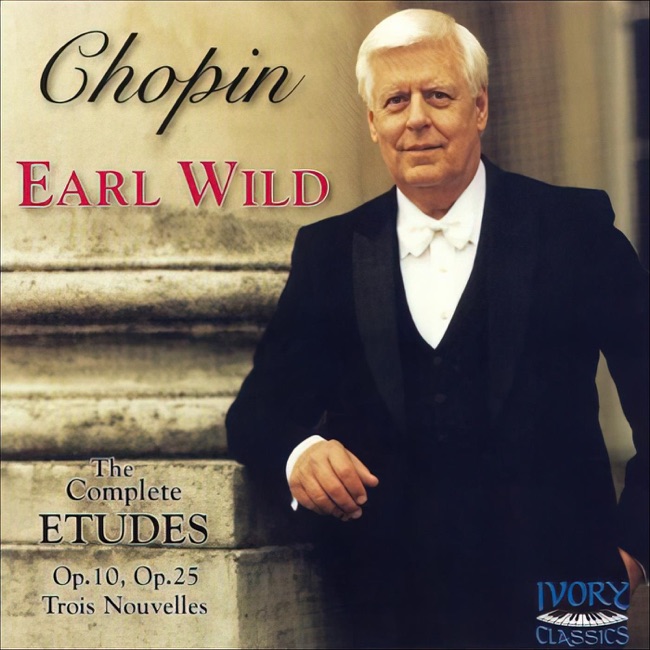
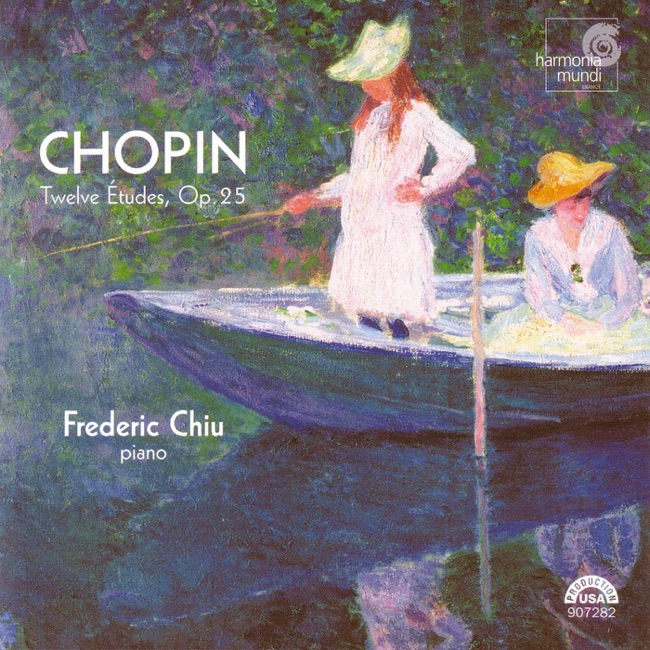
Works Info
Composer:Frédéric ChopinGenre:KeyboardStyle:EtudeCompose Date:1835 - 1837Publication Date:1837Average_duration:31:04Movement_count:12Movement ....Frédéric Chopin's 'Etudes (12) for piano, Op. 25' is a set of twelve virtuosic piano pieces composed between 1832 and 1836. The etudes were published in 1837 and dedicated to Franz Liszt, who was a close friend of Chopin. The set of etudes is considered one of the most challenging and influential works for piano in the Romantic era. The premiere of the 'Etudes (12) for piano, Op. 25' was given by Chopin himself in Paris in 1837. The set of etudes is divided into twelve movements, each of which is designed to develop a specific technical skill for the pianist. The etudes are written in a variety of keys, and each one presents a unique challenge to the performer. The first etude in A-flat major, marked "Aeolian Harp," is a study in arpeggios and requires the pianist to play rapid, flowing passages with both hands. The second etude in F minor, marked "Chromatic," is a study in chromaticism and requires the pianist to play rapid chromatic runs with both hands. The third etude in F major, marked "Tristesse," is a study in legato playing and requires the pianist to play long, sustained lines with the right hand while accompanying with the left. The fourth etude in A minor, marked "Paganini," is a study in double notes and requires the pianist to play rapid passages with both hands in octaves, thirds, and sixths. The fifth etude in E minor, marked "Wrong Note," is a study in finger independence and requires the pianist to play a melody with the right hand while playing a different rhythm with the left. The sixth etude in G-sharp minor, marked "Thirds," is a study in playing rapid passages in thirds and requires the pianist to play with both hands in a legato style. The seventh etude in C-sharp minor, marked "Cello," is a study in playing with a singing tone and requires the pianist to play long, sustained lines with the right hand while accompanying with the left. The eighth etude in D-flat major, marked "Sixths," is a study in playing rapid passages in sixths and requires the pianist to play with both hands in a legato style. The ninth etude in G-flat major, marked "Butterfly," is a study in playing rapid passages with lightness and requires the pianist to play with a delicate touch. The tenth etude in B minor, marked "Octaves," is a study in playing rapid passages in octaves and requires the pianist to play with both hands in a legato style. The eleventh etude in A minor, marked "Winter Wind," is a study in playing with power and requires the pianist to play rapid, powerful passages with both hands. The twelfth etude in C minor, marked "Ocean," is a study in playing with a wide range of dynamics and requires the pianist to play long, sustained lines with the right hand while accompanying with the left. The etude builds to a dramatic climax before ending with a quiet, peaceful coda. Overall, Chopin's 'Etudes (12) for piano, Op. 25' is a masterful set of piano pieces that challenges the performer's technical abilities while also showcasing Chopin's unique style and musicality. The etudes have become a staple of the piano repertoire and continue to be studied and performed by pianists around the world.More....
Works Music
Released Music






Featured Music

Recommend Playlist

















Main Perform Artists
Piano
Piano
Piano
Piano
Piano
Piano
Piano
Piano
Piano
Piano
Piano
Piano
Piano
Piano
Keyboards
Piano