


Antonin Dvorák
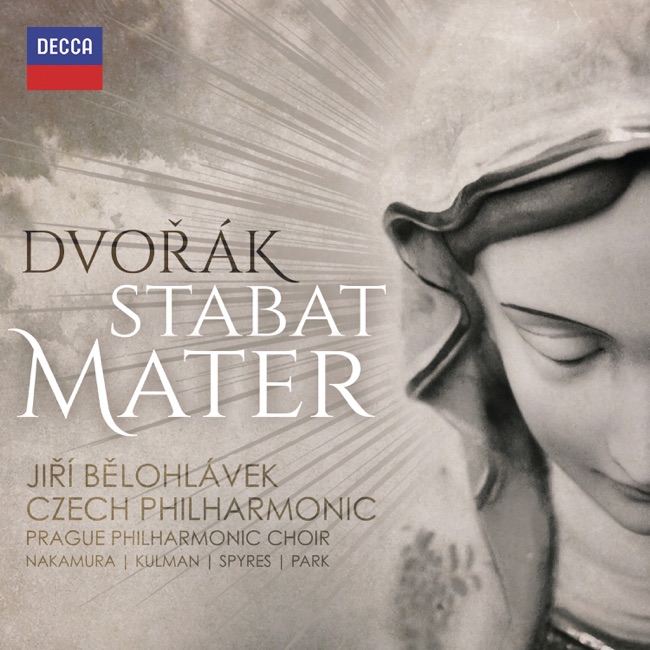
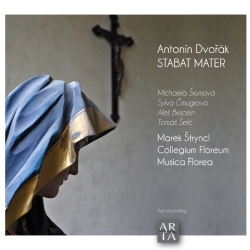
Stabat Mater, B. 71, Op. 58
Released Album
Recent Album
-

-
-
-
 Jovana StosicOctober 28, 2022
 -
-
-
-
-
-
-
-
Featured Album
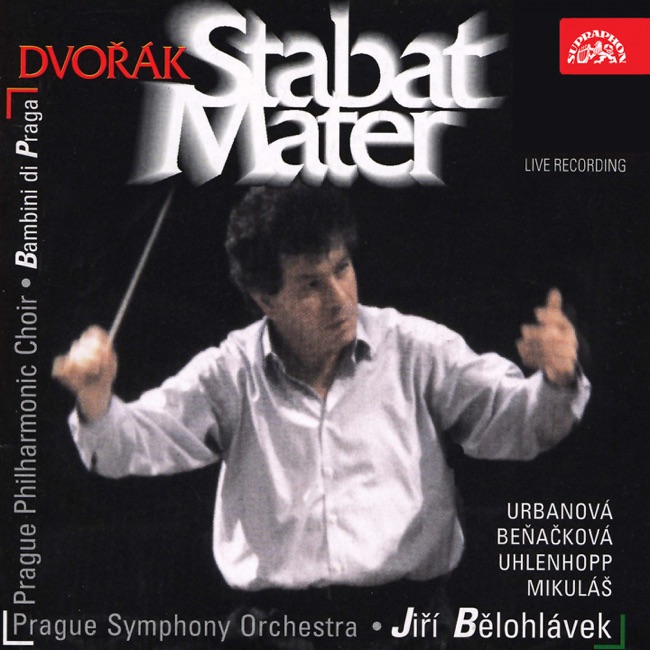
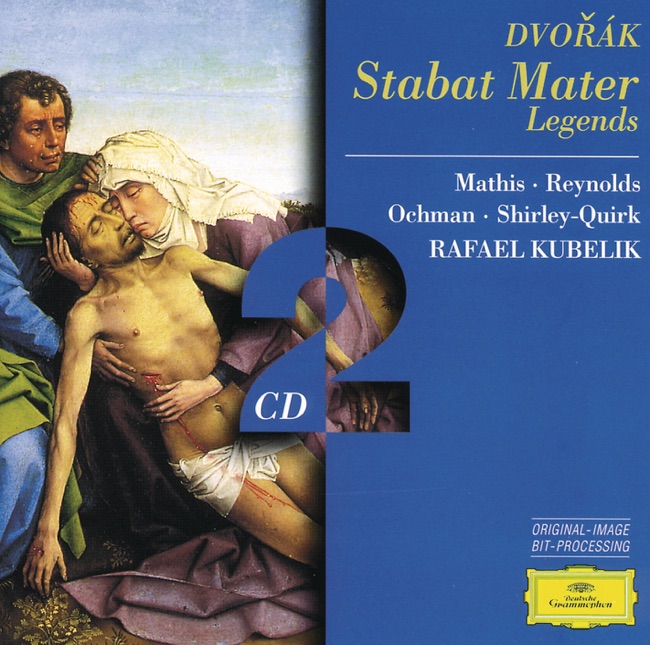
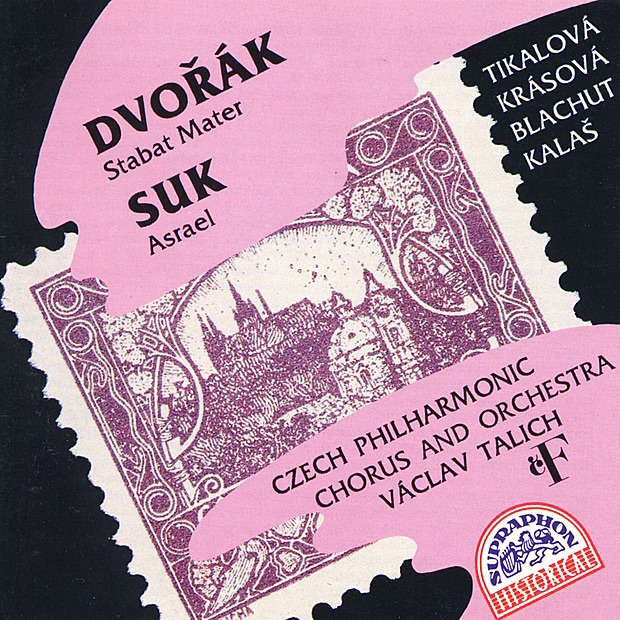
Works Info
Composer:Antonin DvorákGenre:ChoralStyle:SequenceCompose Date:Feb 19, 1876 - Nov 13, 1877Publication Date:1881First Performance:Dec 23, 1880Average_duration:79:30Movement_count:10Movement ....Antonin Dvorák's Stabat Mater, B. 71, Op. 58 is a choral work that was composed between 1876 and 1877. It was premiered on December 23, 1880, in Prague, with the composer conducting. The work is divided into ten movements and is based on the medieval Latin hymn "Stabat Mater Dolorosa," which describes the sorrow of Mary as she stands at the foot of the cross. The first movement, "Stabat Mater Dolorosa," sets the tone for the entire work with its mournful melody and somber harmonies. The second movement, "Quis est homo," features a solo soprano and tenor, who sing a duet that expresses the pain and suffering of Christ on the cross. The third movement, "Eia, Mater," is a prayer to Mary, asking for her intercession and comfort. The fourth movement, "Tui Nati Vulnerati," is a lament for the wounds of Christ, while the fifth movement, "Fac, ut ardeat cor meum," is a plea for the fire of divine love to burn within the heart of the believer. The sixth movement, "Tui Nati Cœli Cœlorum," is a hymn of praise to Christ, who is exalted above all other beings. The seventh movement, "Fac me vere tecum flere," is a prayer for the grace to weep with Mary at the foot of the cross. The eighth movement, "Virgo virginum præclara," is a hymn to Mary, who is praised for her purity and faithfulness. The ninth movement, "Fac, ut portem Christi mortem," is a prayer for the strength to bear the cross of Christ, while the final movement, "Inflammatus et accensus," is a hymn of praise to the Holy Spirit, who is invoked to kindle the fire of divine love within the hearts of the faithful. The Stabat Mater is characterized by its rich harmonies, expressive melodies, and powerful choral writing. Dvorák's use of soloists and choir creates a sense of intimacy and emotional depth, while his orchestration adds color and texture to the work. The Stabat Mater is a masterpiece of sacred music that continues to move and inspire audiences today.More....
Works Music
Released Music


Featured Music
1
Stabat Mater, B. 71, Op. 58
Nr. 1 Quartett und Chor: Stabat mater dolorosa. Andante con moto
17:40
8
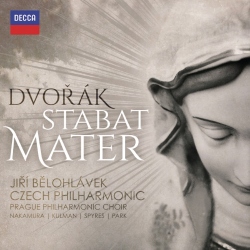
Stabat Mater, B. 71, Op. 58
VI. Tenore solo e Coro. Andante con moto "Fac me vere tecum flere"
5:50


Main Perform Artists
Theorbo
Bass Vocal
Soprano Vocal