


New Jersey Symphony Orchestra
Released Album
Choral
-
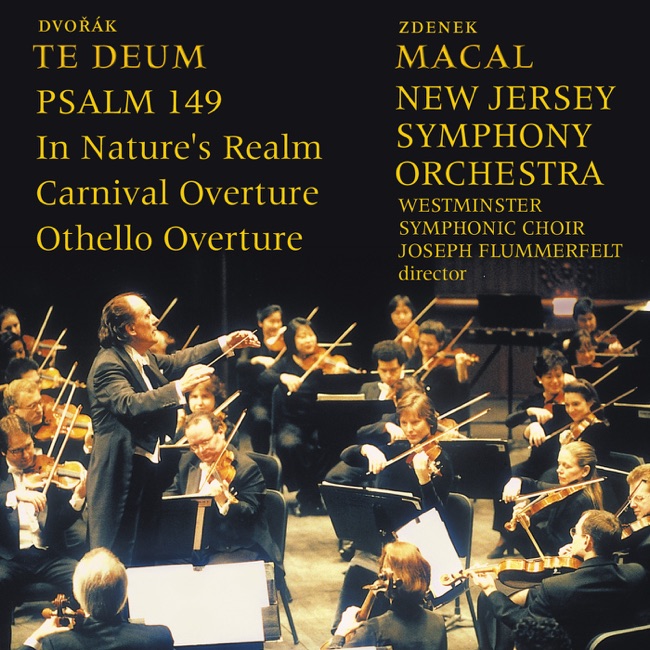
-
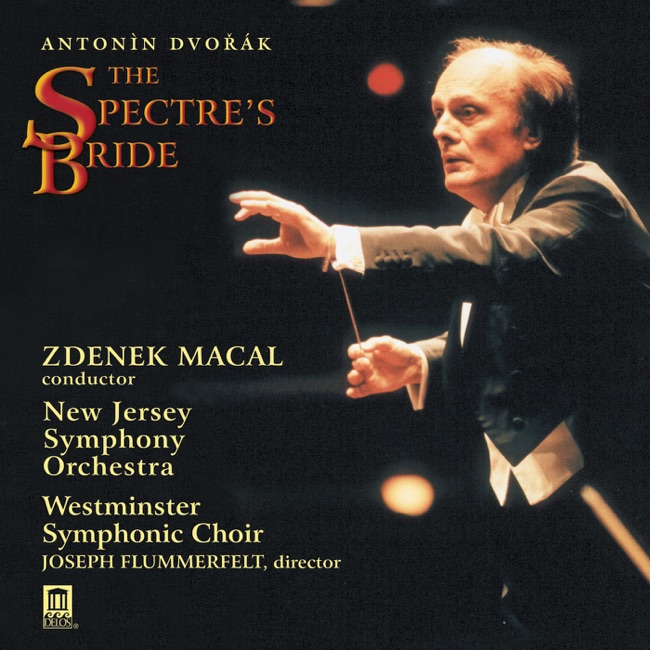 July 30, 2002
 -
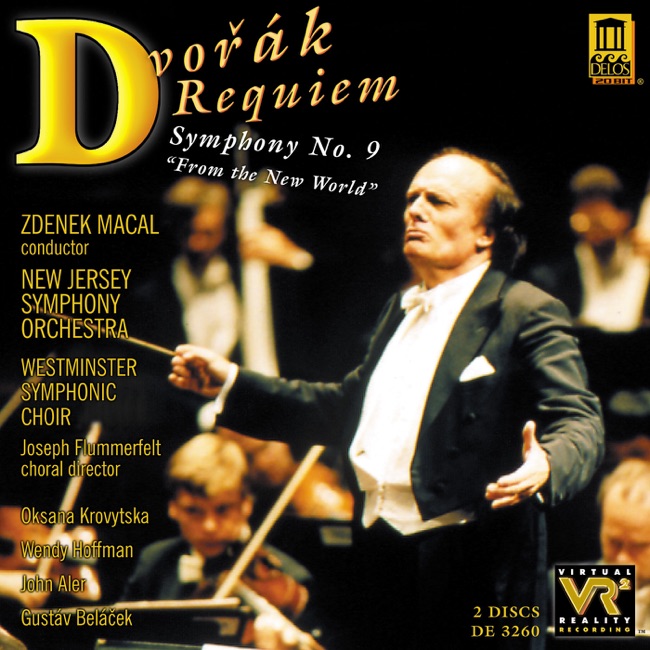 April 25, 2000
 -
-
 February 24, 1995
Ballet
-
 November 20, 1997
 -
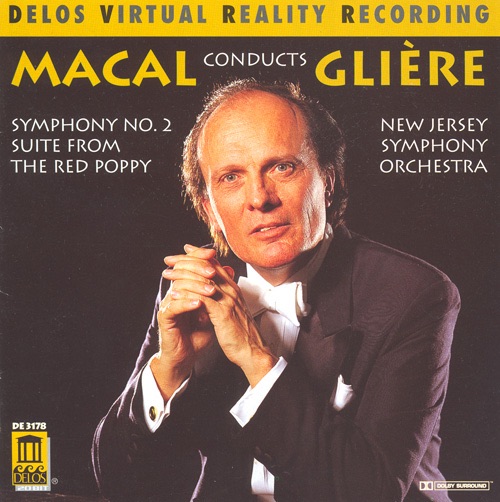 January 23, 1996
Symphony
-
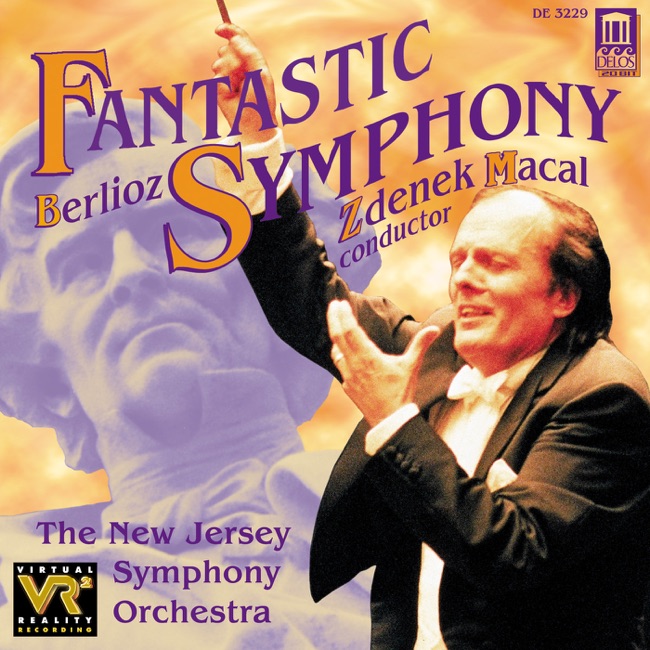 October 20, 1998
Orchestral
-
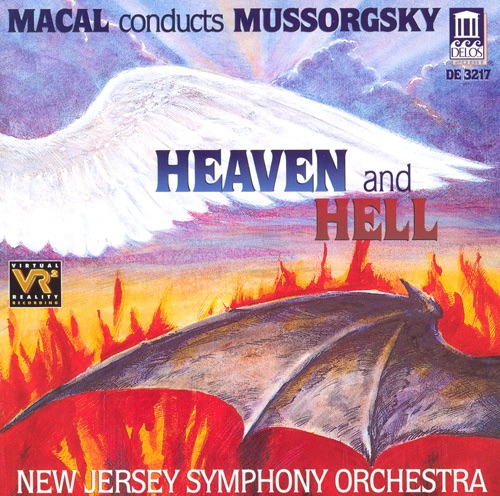 May 22, 1997
Artist Info
Role:EnsemblePeriod:RomanticGenre:ChoralConcertoOrchestralSymphonyThe New Jersey Symphony Orchestra (NJSO) is a classical music ensemble based in Newark, New Jersey. Founded in 1922, the orchestra has become one of the most prominent cultural institutions in the state, with a reputation for excellence in performance and education. The NJSO was founded by a group of musicians who were looking to establish a professional orchestra in New Jersey. The group was led by Karl Rankl, an Austrian conductor who had previously worked with the Vienna State Opera and the Berlin State Opera. Rankl was joined by a number of other musicians, including violinist Albert Stoessel and cellist Frank Miller. The orchestra's first concert was held on November 14, 1922, at the Montclair Art Museum. The program included works by Beethoven, Brahms, and Wagner, and was well-received by the audience. Over the next few years, the orchestra continued to perform in various venues throughout the state, including the Newark Symphony Hall and the Trenton War Memorial. In 1931, the NJSO hired its first full-time conductor, Werner Janssen. Janssen was a well-known conductor and composer who had previously worked with the New York Philharmonic and the Philadelphia Orchestra. Under Janssen's leadership, the NJSO began to gain national recognition, with performances at the Hollywood Bowl and the World's Fair in Chicago. During the 1940s and 1950s, the NJSO continued to grow in size and reputation. The orchestra performed with a number of well-known soloists, including pianist Rudolf Serkin and violinist Isaac Stern. In 1951, the NJSO moved into its current home, the New Jersey Performing Arts Center in Newark. In the 1960s and 1970s, the NJSO underwent a period of transition. The orchestra hired a number of new conductors, including Henry Lewis and Thomas Michalak, but struggled to find a stable leadership. In 1981, the NJSO hired Hugh Wolff as its music director. Wolff was a young conductor who had previously worked with the Boston Symphony Orchestra and the Saint Paul Chamber Orchestra. Under Wolff's leadership, the NJSO began to focus on contemporary music and new commissions. The orchestra premiered works by a number of prominent composers, including John Adams, Philip Glass, and Christopher Rouse. In 1993, the NJSO won a Grammy Award for its recording of Rouse's Trombone Concerto. In 2004, the NJSO hired Neeme Järvi as its music director. Järvi was a well-known conductor who had previously worked with the Detroit Symphony Orchestra and the Royal Scottish National Orchestra. Under Järvi's leadership, the NJSO continued to focus on contemporary music, while also exploring the classical repertoire. In recent years, the NJSO has continued to grow and evolve. The orchestra has performed with a number of well-known soloists, including pianist Lang Lang and violinist Joshua Bell. In 2016, the NJSO launched a new initiative called "NJSO Youth Orchestras," which provides young musicians with the opportunity to perform in a professional setting. Throughout its history, the NJSO has been committed to education and outreach. The orchestra offers a number of educational programs, including "NJSO Youth Orchestras," "NJSO CHAMPS," and "NJSO Colton Fellowship." These programs provide young musicians with the opportunity to learn from professional musicians and perform in a professional setting. The NJSO has received numerous awards and accolades throughout its history.More....
Recent Artist Music
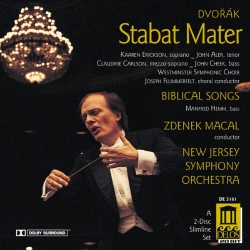
Copyright Ⓒ 2013 Davinci Finger. All rights reseved
Service Terms & Policy