


Reinhold Glière
Released Album
Chamber
-
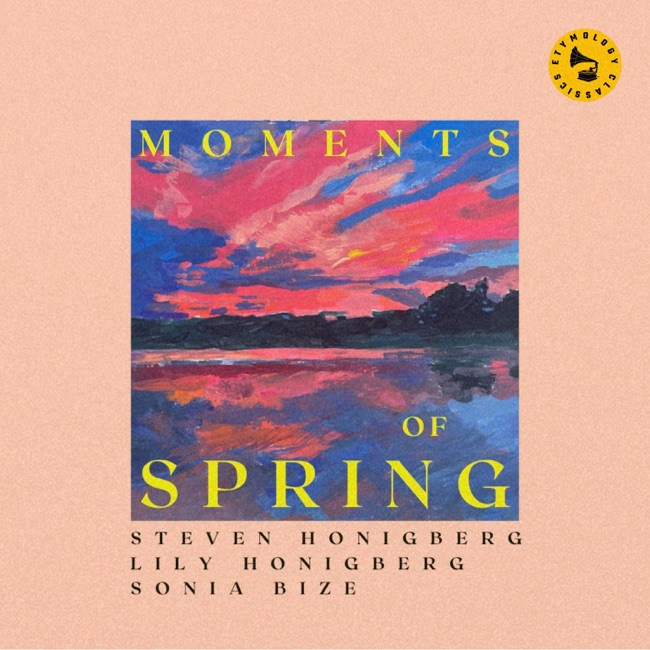 June 9, 2024
 -
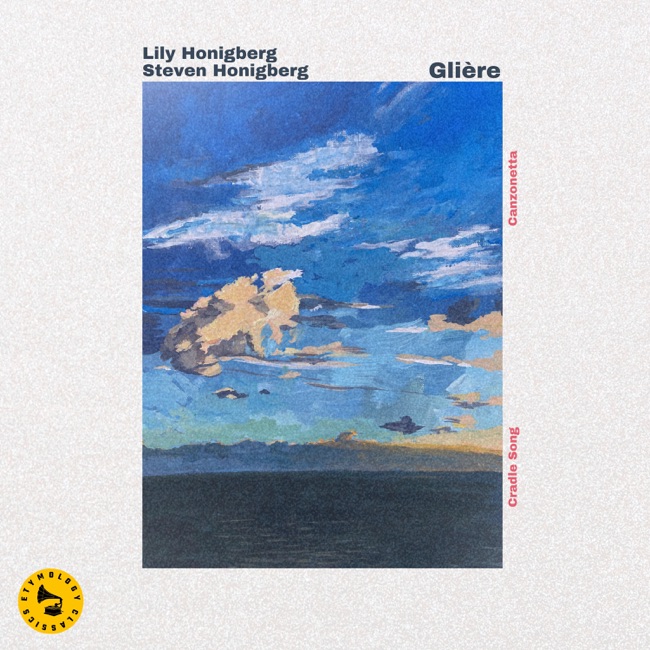 May 26, 2024
 -
 July 5, 2023
 -
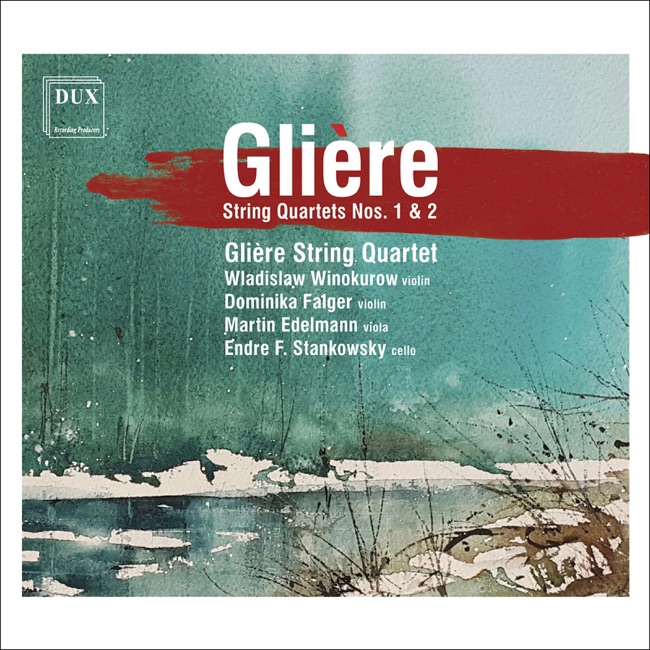 January 6, 2023
 -
 December 30, 2021
 -
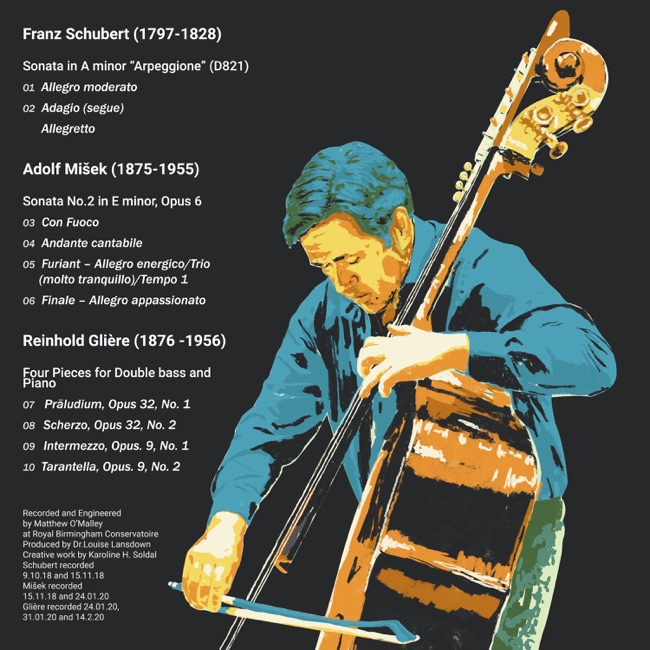 March 1, 2021
Concerto
-
-
 January 19, 2018
 -
 February 17, 2017
 -
 March 24, 2015
 -
-
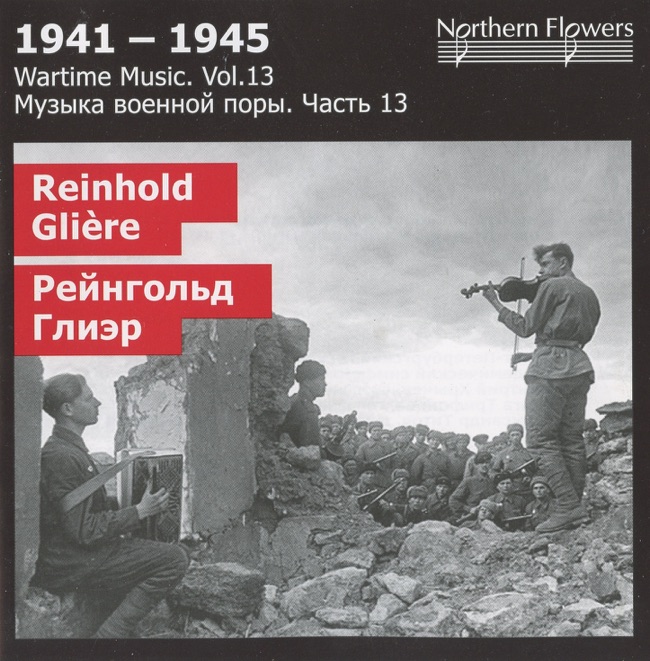 August 9, 2011
Orchestral
-
 January 18, 2019
 -
 November 12, 2013
 -
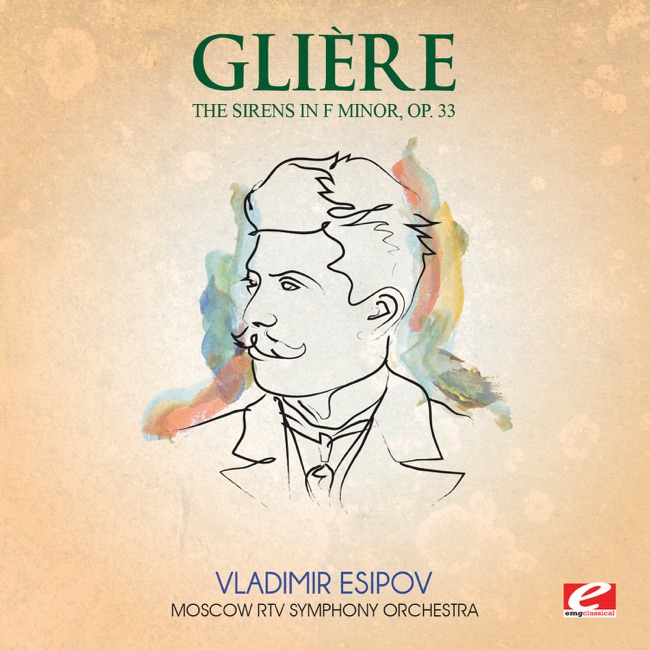
-
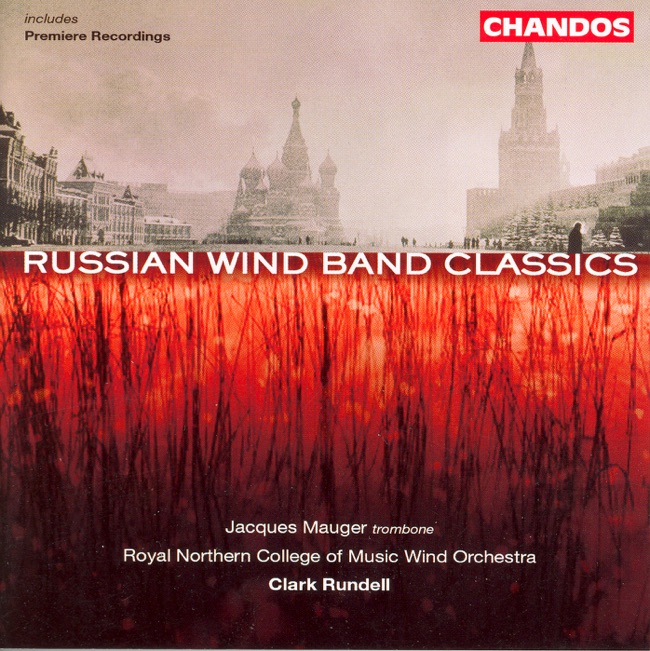 January 1, 2004
Artist Info
Role:ComposerCountry: RussiaBirth:January 11, 1875 in Kiev, UkraineDeath:June 23, 1956 in Moscow, RussiaPeriod:RomanticContemporaryGenre:BalletSymphonyVocalReinhold Glière was a prominent Russian composer of the late Romantic and early modernist periods. He was born on January 11, 1875, in Kiev, Ukraine, which was then part of the Russian Empire. His father, Ernst Moritz Glière, was a German musician who had settled in Russia, and his mother, Elizaveta Mikhailovna, was of Russian descent. Glière grew up in a musical family and began his musical education at an early age. Glière's father was his first music teacher, and he began studying the violin and piano with him when he was just six years old. He later studied at the Kiev Conservatory, where he was a student of Nikolai Lysenko, a prominent Ukrainian composer and teacher. Glière showed great talent as a composer from an early age, and his first compositions were written when he was just 13 years old. After completing his studies at the Kiev Conservatory, Glière moved to Moscow, where he continued his musical education at the Moscow Conservatory. He studied composition with Sergei Taneyev, a prominent Russian composer and teacher, and piano with Vasily Safonov, a renowned pianist and teacher. Glière was a diligent student and quickly gained a reputation as a talented composer. Glière's early compositions were influenced by the Romantic composers of the 19th century, such as Tchaikovsky and Wagner. His first major work, the Symphony No. 1 in E-flat major, was composed when he was just 20 years old and was premiered in Moscow in 1899. The symphony was well-received and established Glière as a promising young composer. Glière's music was characterized by its lush harmonies, rich orchestration, and melodic lyricism. He was also known for his use of folk melodies and rhythms in his compositions, which reflected his interest in the music of his native Ukraine. His music was often compared to that of his contemporaries, such as Rachmaninoff and Scriabin, but Glière's style was unique and distinctive. In addition to his symphonies, Glière composed a wide variety of other works, including operas, ballets, chamber music, and choral music. One of his most famous works is the ballet The Red Poppy, which was composed in 1927 and became one of the most popular ballets in the Soviet Union. The ballet tells the story of a group of sailors who visit a Chinese port and become involved in a revolution against the local authorities. The music is characterized by its exoticism and colorful orchestration, and it includes several memorable melodies, such as the "Sailor's Dance" and the "Chinese Dance." Another notable work by Glière is the Symphony No. 3 in B minor, which was composed in 1911 and is often referred to as the "Ilya Muromets Symphony." The symphony is based on the legend of Ilya Muromets, a legendary hero of Russian folklore. The music is characterized by its grandeur and epic sweep, and it includes several memorable themes, such as the "Heroic Theme" and the "Evil Theme." Glière's music was well-received during his lifetime, and he was highly regarded as a composer and teacher. He taught at the Moscow Conservatory for many years and had many notable students, including Sergei Prokofiev and Aram Khachaturian. Glière was also a prolific composer, and he continued to write music throughout his life, even after the Soviet government began to impose restrictions on artistic expression. Despite his success as a composer, Glière's music fell out of favor in the Soviet Union after his death in 1956.More....
Recent Artist Music





9

7:32

11
6:51

13
2:5

Works Highlight





Related Artists
Copyright Ⓒ 2013 Davinci Finger. All rights reseved
Service Terms & Policy