


Antonin Dvorák
Requiem, B. 165, Op. 89
Released Album
Recent Album
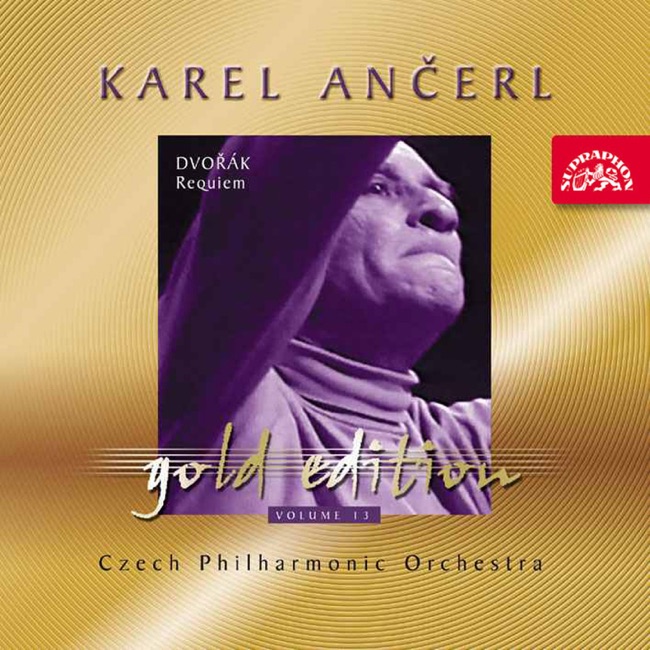

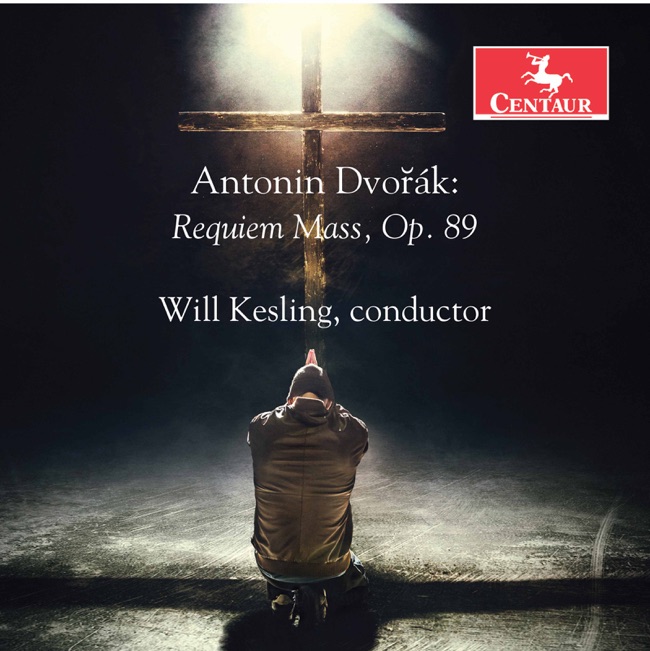



Featured Album
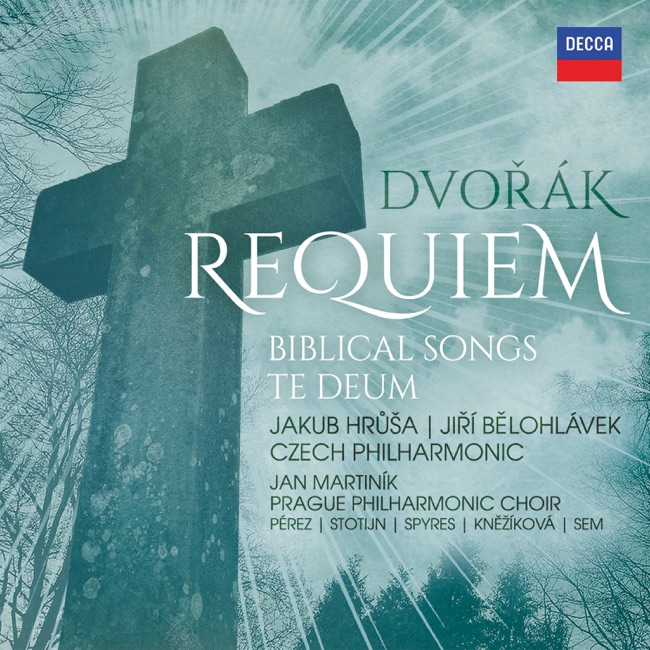

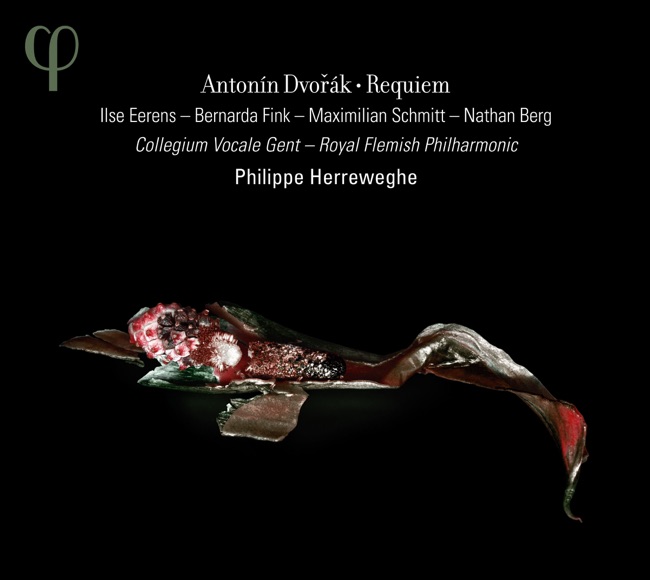
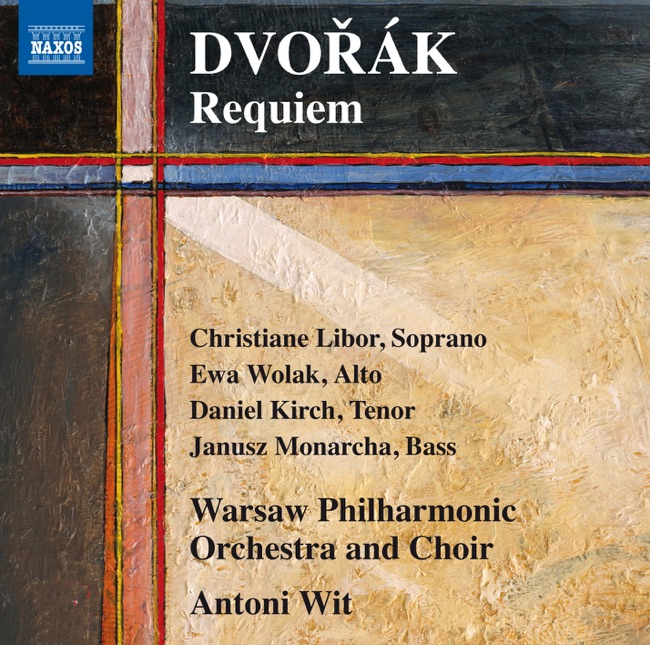
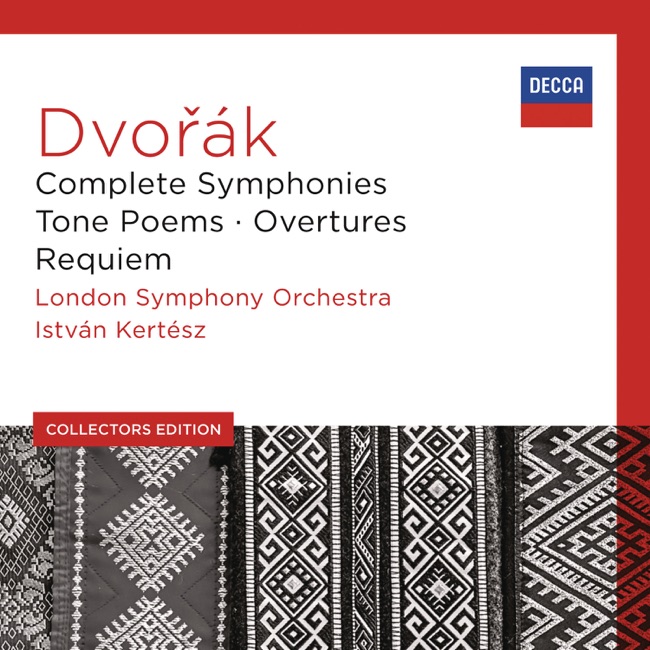
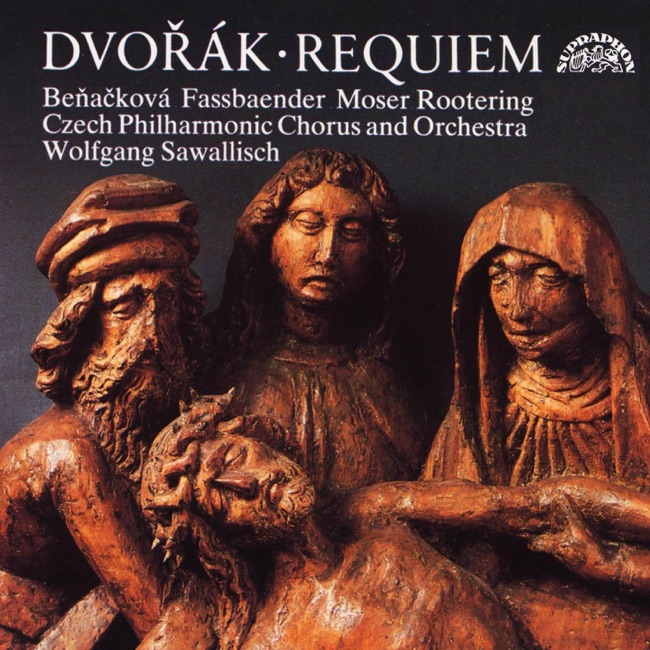
Works Info
Composer:Antonin DvorákGenre:ChoralStyle:RequiemCompose Date:Jan 1, 1890 - Oct 31, 1890Publication Date:1891First Performance:Oct 9, 1891Average_duration:98:15Movement_count:13Movement ....Antonin Dvorák's Requiem, B. 165, Op. 89, is a choral masterpiece that was composed in 1890. The piece was premiered on October 9, 1891, in Birmingham, England, under the baton of the composer himself. The Requiem is divided into nine movements, each of which is characterized by its unique musical style and emotional intensity. The first movement, "Requiem aeternam," begins with a somber and mournful choral introduction that sets the tone for the entire piece. The movement is characterized by its use of rich harmonies and powerful choral passages that convey a sense of sadness and loss. The second movement, "Graduale," is a solo for the tenor voice that is accompanied by the choir. The movement is characterized by its lyrical melodies and expressive vocal lines that convey a sense of longing and hope. The third movement, "Dies irae," is one of the most dramatic and intense movements of the Requiem. The movement is characterized by its use of thunderous percussion and powerful choral passages that convey a sense of fear and awe. The fourth movement, "Tuba mirum," is a solo for the bass voice that is accompanied by the choir. The movement is characterized by its use of deep, resonant vocal lines and powerful brass accompaniment that convey a sense of grandeur and majesty. The fifth movement, "Quid sum miser," is a solo for the mezzo-soprano voice that is accompanied by the choir. The movement is characterized by its use of hauntingly beautiful melodies and expressive vocal lines that convey a sense of sorrow and regret. The sixth movement, "Recordare," is a duet for the soprano and alto voices that is accompanied by the choir. The movement is characterized by its use of delicate vocal lines and gentle harmonies that convey a sense of tenderness and compassion. The seventh movement, "Confutatis," is another dramatic and intense movement that is characterized by its use of powerful choral passages and thunderous percussion that convey a sense of judgment and condemnation. The eighth movement, "Lacrimosa," is a somber and mournful choral movement that is characterized by its use of rich harmonies and expressive vocal lines that convey a sense of sadness and loss. The final movement, "Libera me," is a solo for the soprano voice that is accompanied by the choir. The movement is characterized by its use of soaring vocal lines and powerful choral passages that convey a sense of hope and redemption. Overall, Dvorák's Requiem is a powerful and emotional work that showcases the composer's mastery of choral writing and his ability to convey a wide range of emotions through music. From the somber and mournful opening movement to the triumphant and hopeful final movement, the Requiem is a testament to the power of music to express the deepest human emotions.More....
Works Music
Released Music



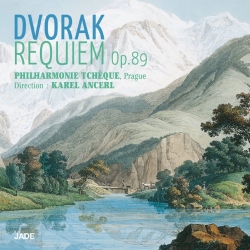

Featured Music
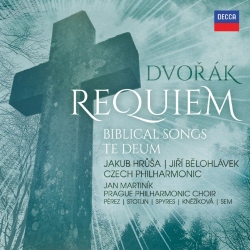
Main Perform Artists
Tenor Vocal
Soprano Vocal
Tenor Vocal
Soprano Vocal
Contralto Vocal
Bass Vocal
Contralto Vocal
Bass Vocal
Choir/Chorus