


John Harbison
Released Album
Chamber
-
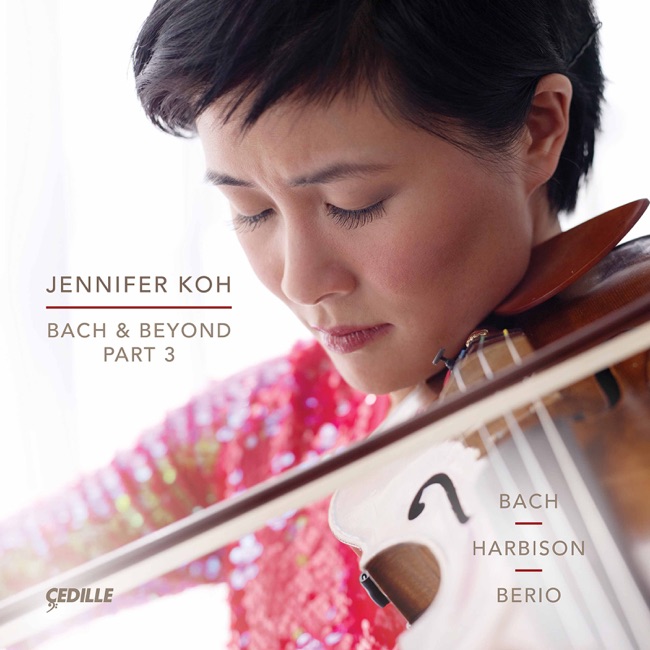 November 13, 2020
 -
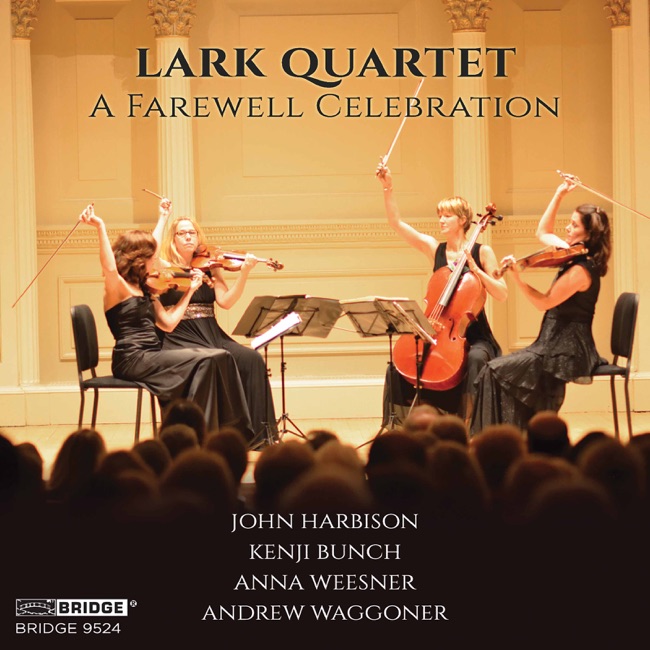 August 23, 2019
 -
 September 14, 2018
 -
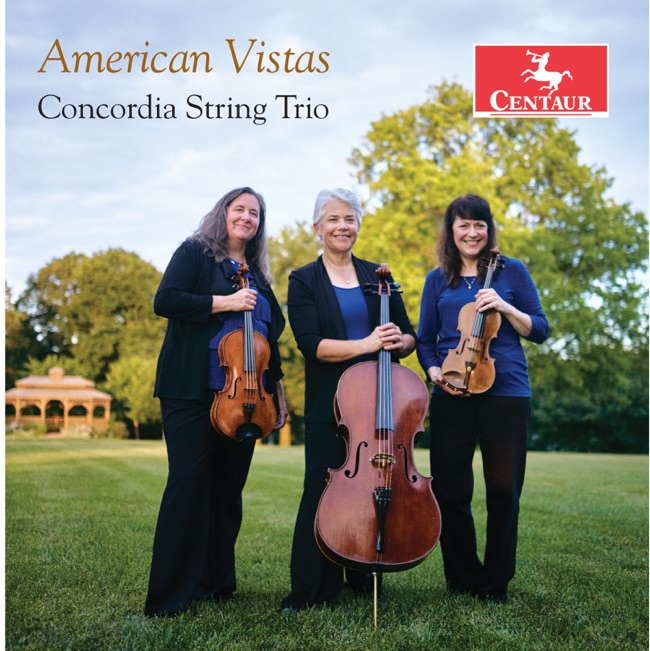 August 3, 2018
 -
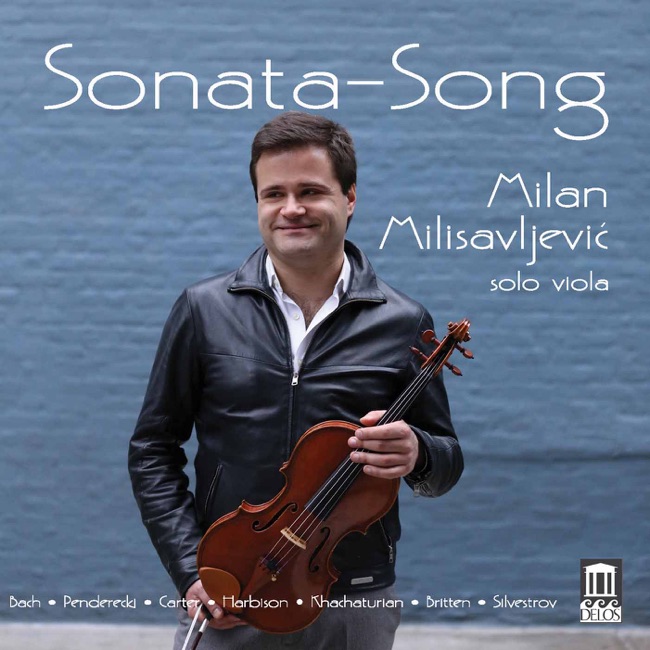 July 8, 2016
 -
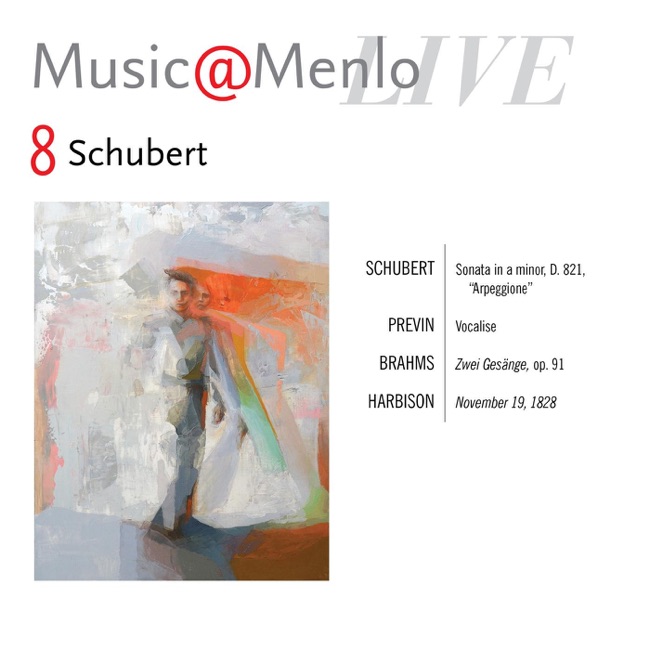 January 15, 2016
Vocal
-
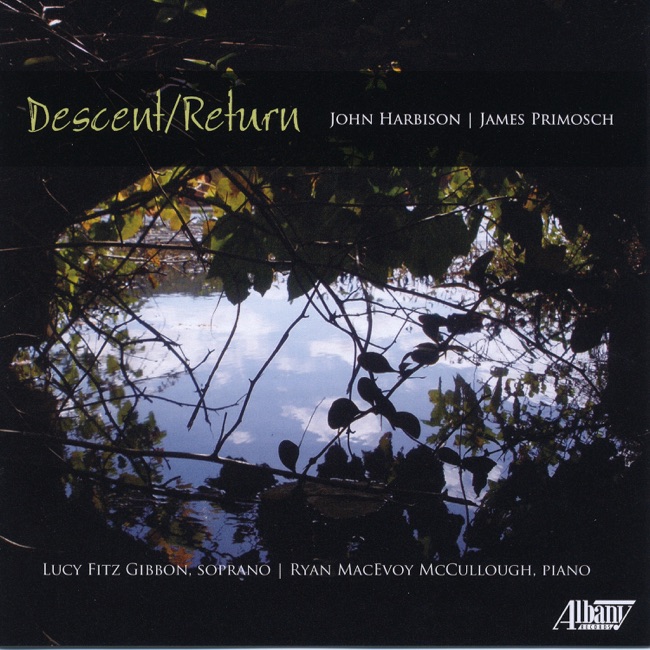 June 26, 2020
 -
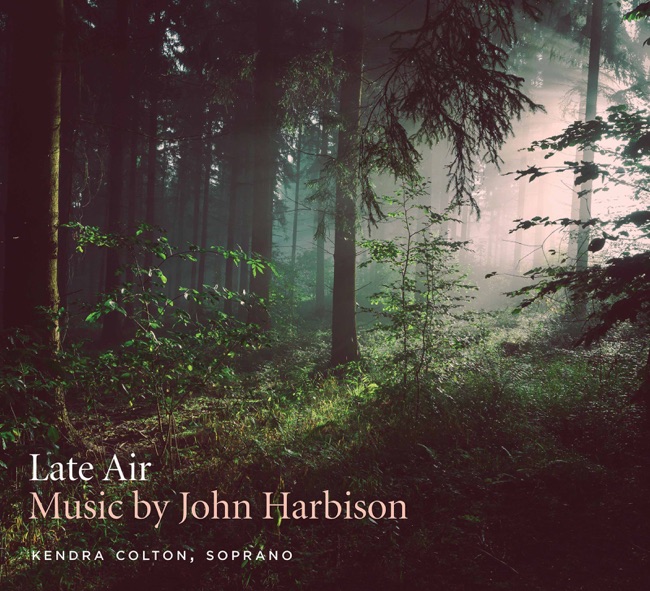 February 7, 2020
 -
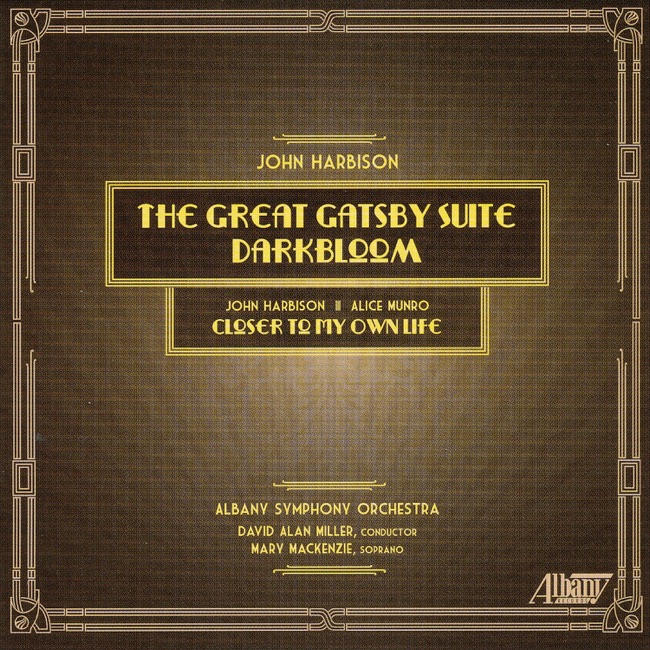 March 2, 2015
 -
 May 10, 2011
 -
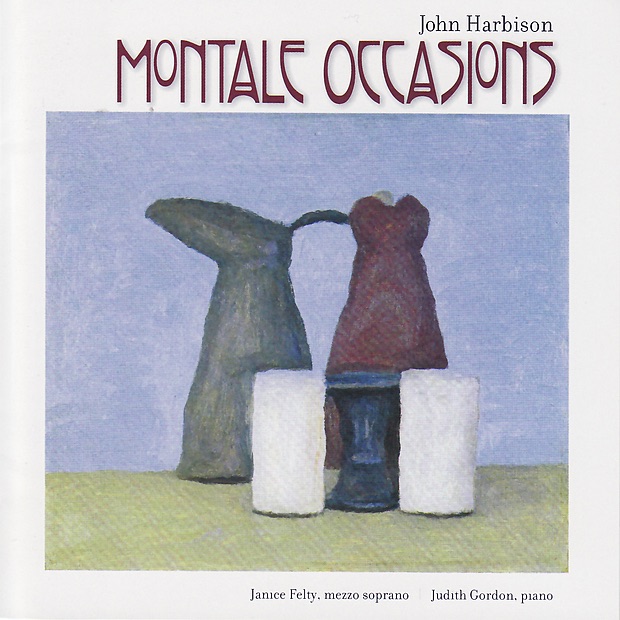 January 22, 2008
 -
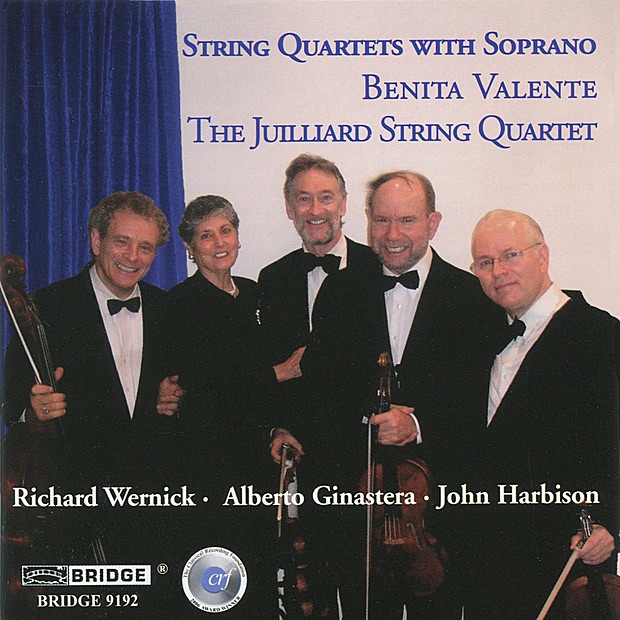 May 30, 2006
Keyboard
-
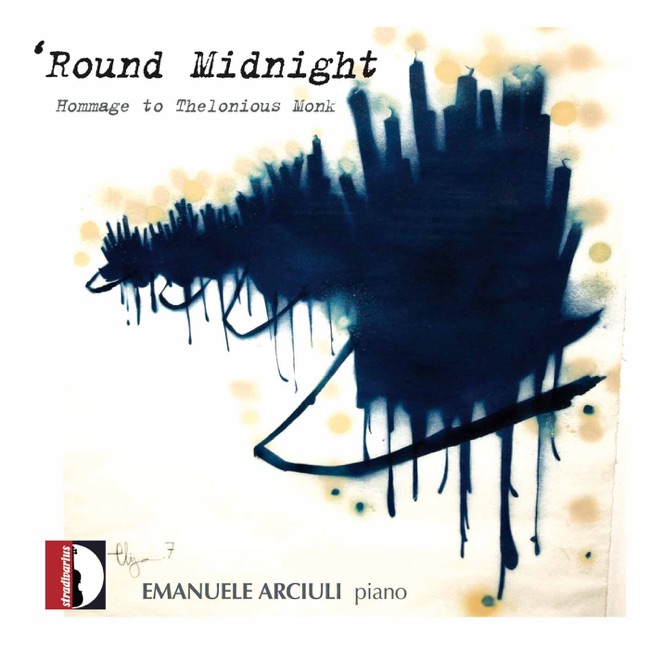 July 12, 2011
 -
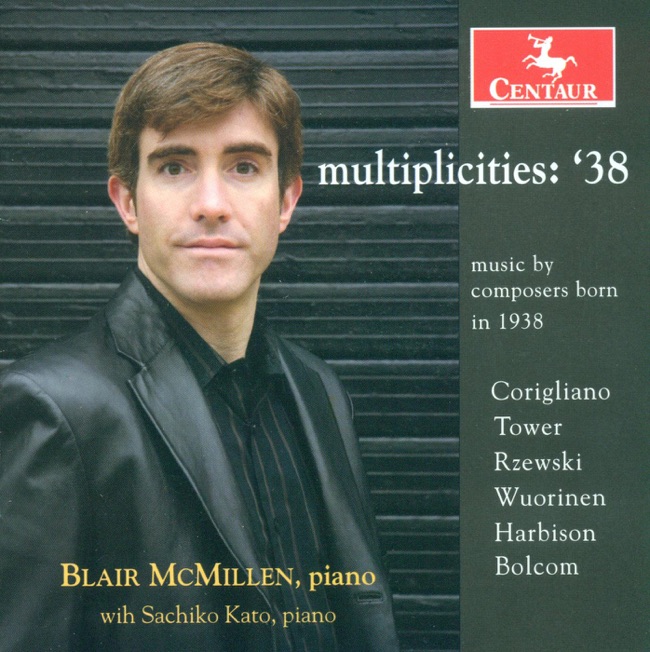 September 30, 2008
 -
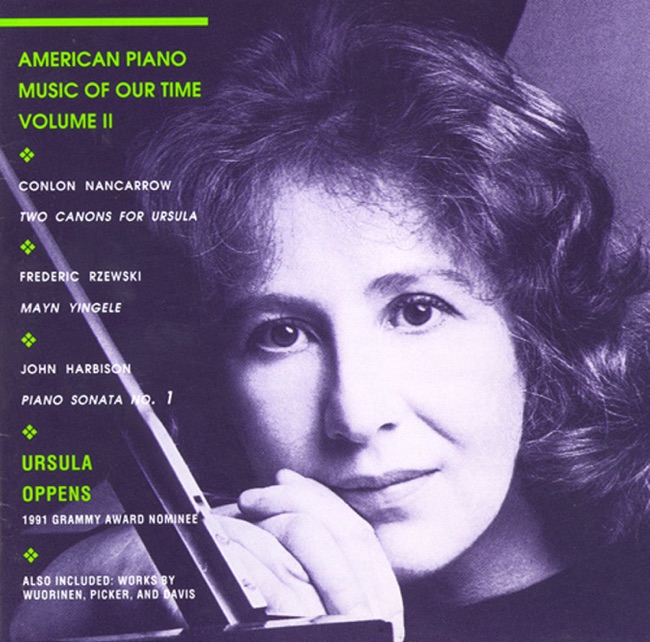 October 1, 1999
 -
 May 18, 1999
 -
 April 15, 1997
 -
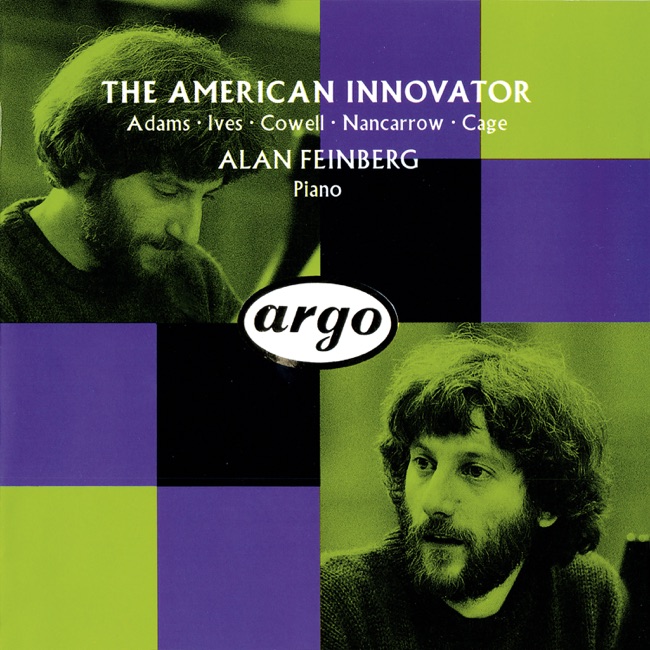 October 12, 1993
Concerto
-
 September 21, 2018
 -
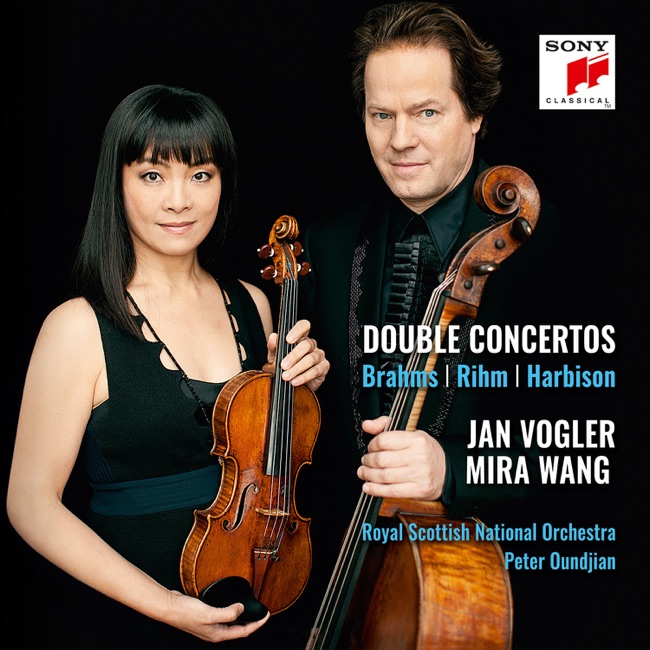 June 15, 2018
 -
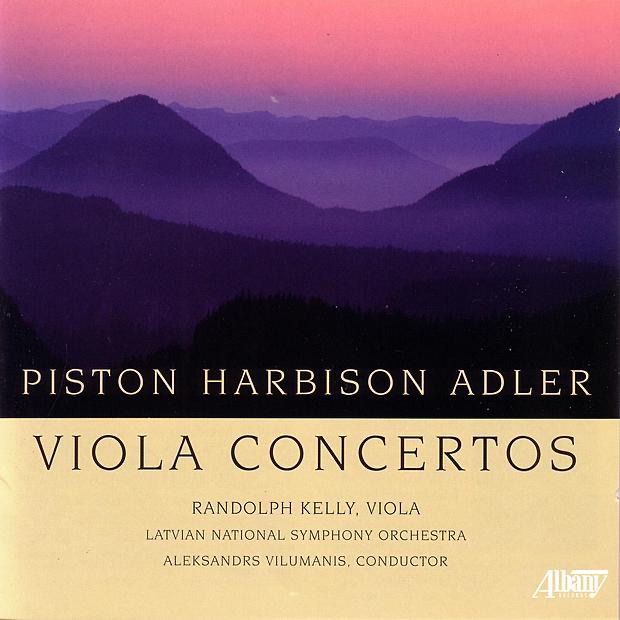 February 25, 2003
 -
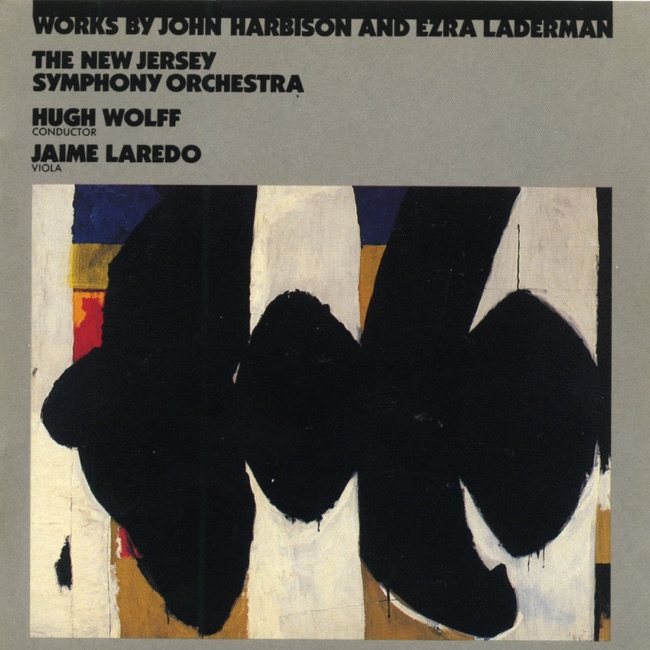 December 8, 1992
Artist Info
Role:Composer ConductorCountry: United States of AmericaBirth:December 20, 1938 in Orange, NJPeriod:ContemporaryGenre:ChamberConcertoVocalJohn Harbison is an American composer, conductor, and teacher who has made significant contributions to the world of classical music. Born on December 20, 1938, in Orange, New Jersey, Harbison grew up in a musical family. His father was a church organist, and his mother was a singer. Harbison began playing the piano at a young age and later learned to play the violin and viola. Harbison attended Harvard University, where he studied composition with Walter Piston and Roger Sessions. He also studied conducting with Leonard Bernstein and played viola in the Harvard Chamber Orchestra. After graduating from Harvard in 1960, Harbison went on to study at the Berlin Hochschule für Musik and the Vienna Academy of Music. In the early years of his career, Harbison worked as a freelance composer and conductor. He also taught at various institutions, including the Massachusetts Institute of Technology, the New England Conservatory of Music, and Tanglewood Music Center. In 1980, he joined the faculty of the Massachusetts Institute of Technology, where he is currently Institute Professor of Music. Harbison's compositions span a wide range of genres, including orchestral works, chamber music, vocal music, and opera. His music is known for its complexity and intellectual depth, as well as its emotional expressiveness. Some of his most notable works include the opera "The Great Gatsby," which premiered at the Metropolitan Opera in 1999, and the Symphony No. 5, which was commissioned by the Boston Symphony Orchestra and premiered in 1995. One of Harbison's early works, the String Quartet No. 1, was written in 1964 and is considered a landmark in American chamber music. The piece is characterized by its use of serial techniques and its exploration of timbre and texture. Harbison's interest in serialism continued in works such as the Piano Sonata No. 1, which was written in 1965 and is notable for its use of twelve-tone technique. In the 1970s, Harbison began to incorporate more tonal elements into his music. This can be heard in works such as the Symphony No. 1, which was written in 1982 and is characterized by its lush harmonies and expressive melodies. The Symphony No. 2, which was written in 1987, is also notable for its use of tonal elements and its incorporation of popular music styles. Harbison's interest in opera began in the 1980s, and he has since become one of the most prominent American opera composers of his generation. His opera "The Great Gatsby," based on the novel by F. Scott Fitzgerald, is considered one of his most successful works. The opera premiered at the Metropolitan Opera in 1999 and has since been performed at opera houses around the world. In addition to his work as a composer, Harbison is also an accomplished conductor. He has conducted many of the world's leading orchestras, including the Boston Symphony Orchestra, the Chicago Symphony Orchestra, and the Los Angeles Philharmonic. He has also served as the principal guest conductor of the Pittsburgh Symphony Orchestra and the Minnesota Orchestra. Throughout his career, Harbison has received numerous awards and honors for his contributions to classical music. He has been awarded the Pulitzer Prize for Music, the MacArthur Fellowship, and the Heinz Award in the Arts and Humanities, among others. He is also a member of the American Academy of Arts and Letters and the American Academy of Arts and Sciences.More....
Recent Artist Music
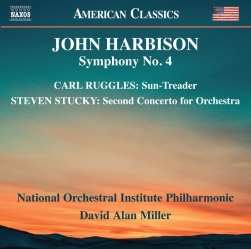
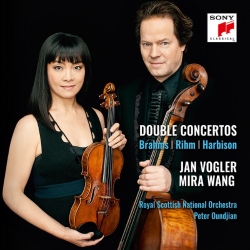

13
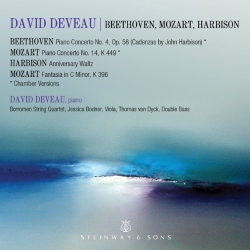
6:50

Copyright Ⓒ 2013 Davinci Finger. All rights reseved
Service Terms & Policy