


Ross Lee Finney
Released Album
Chamber
-
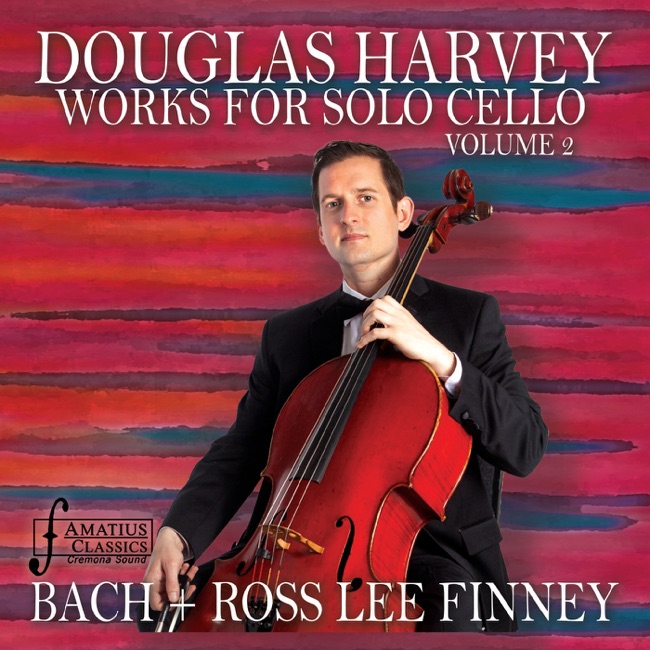 October 20, 2020
 -
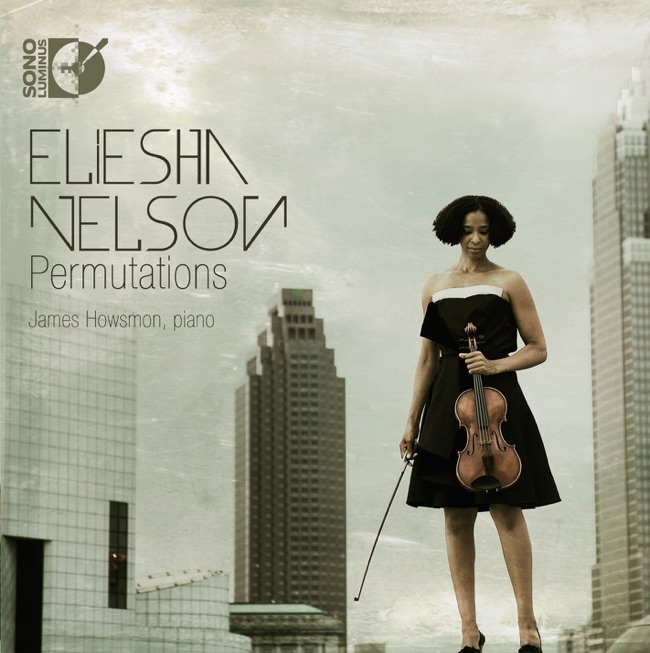 February 24, 2015
 -
 August 20, 2013
 -
 October 15, 2010
 -
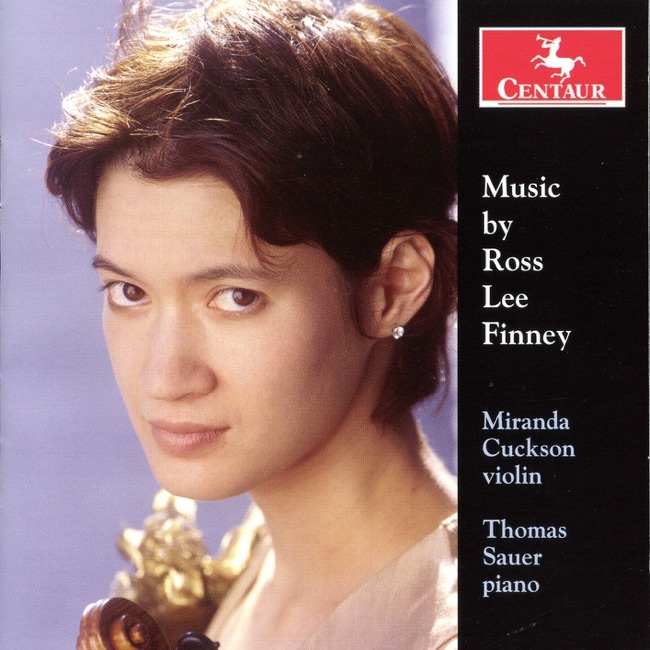 October 25, 2005
 -
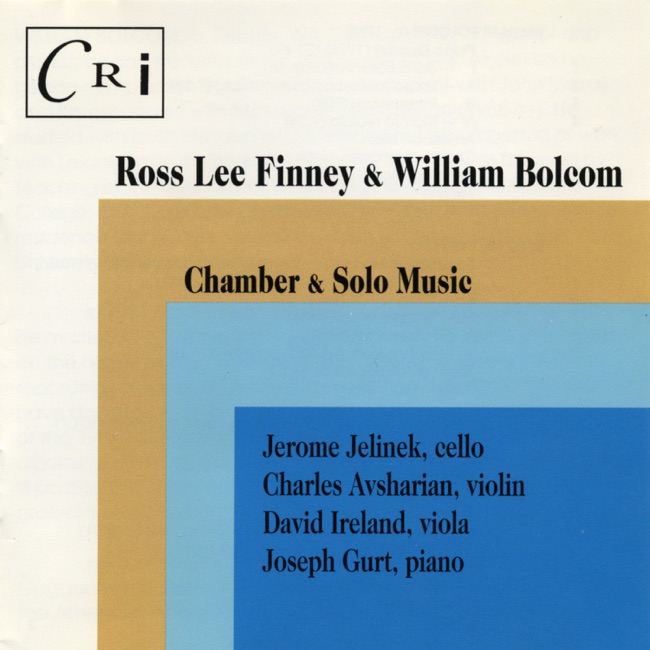 January 1, 1996
Choral
-
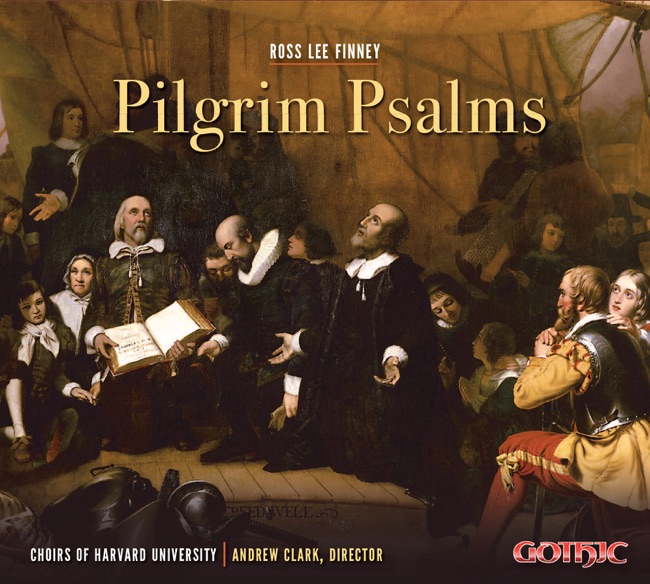 September 9, 2016
 -
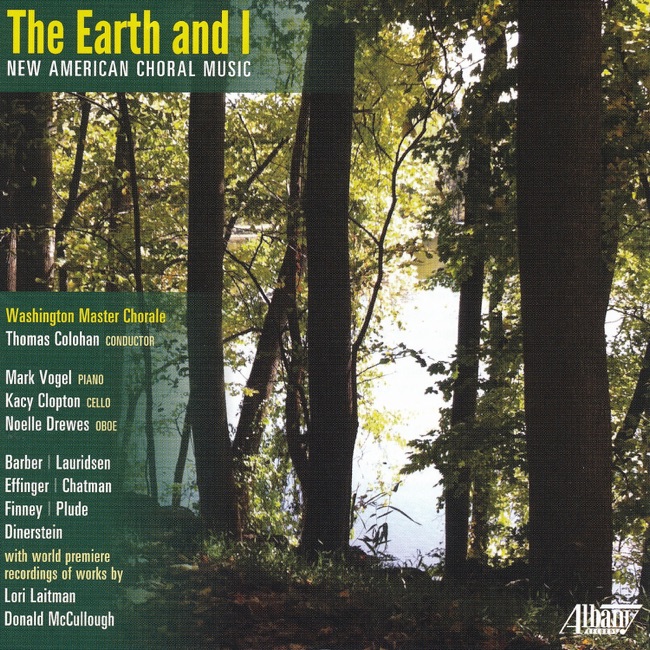 December 10, 2013
 -
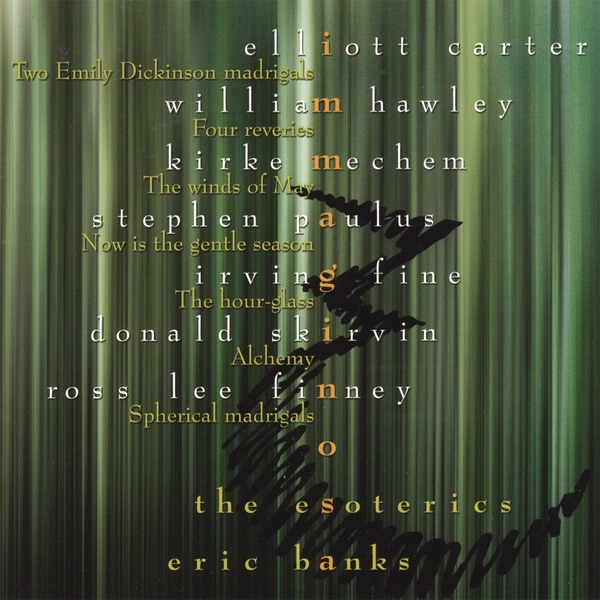 August 28, 2012
 -
 September 7, 2004
Keyboard
-
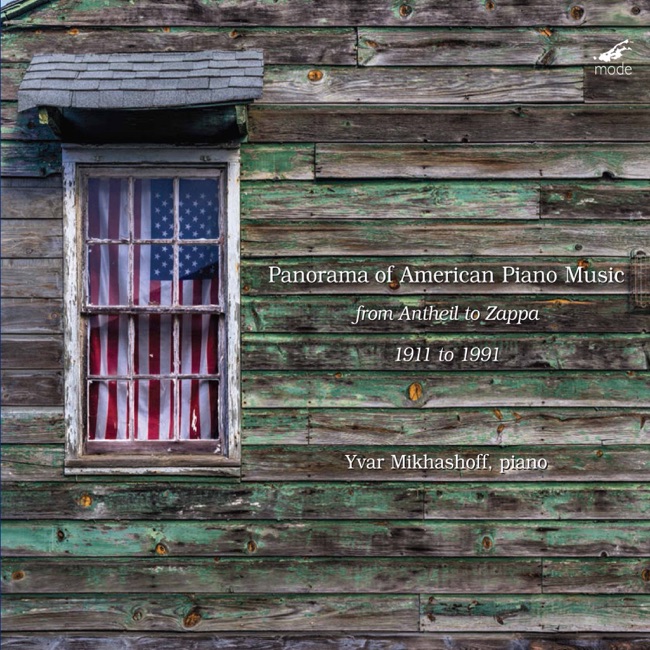 November 19, 2013
 -
 October 26, 2010
 -
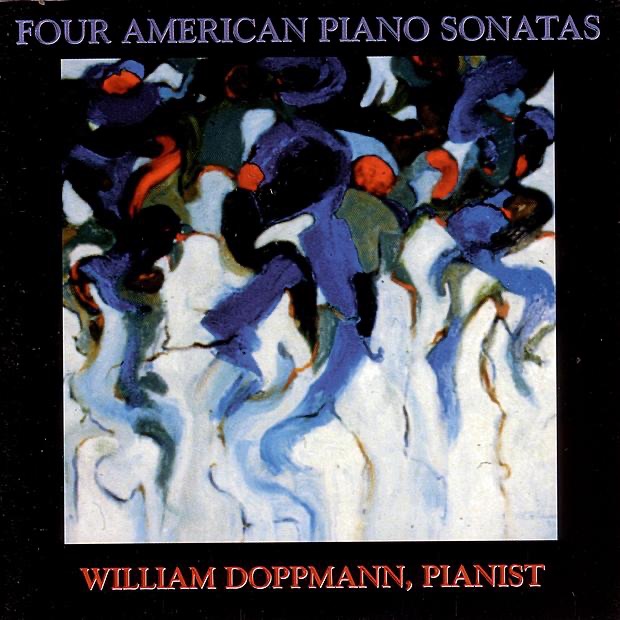 November 23, 1999
 -
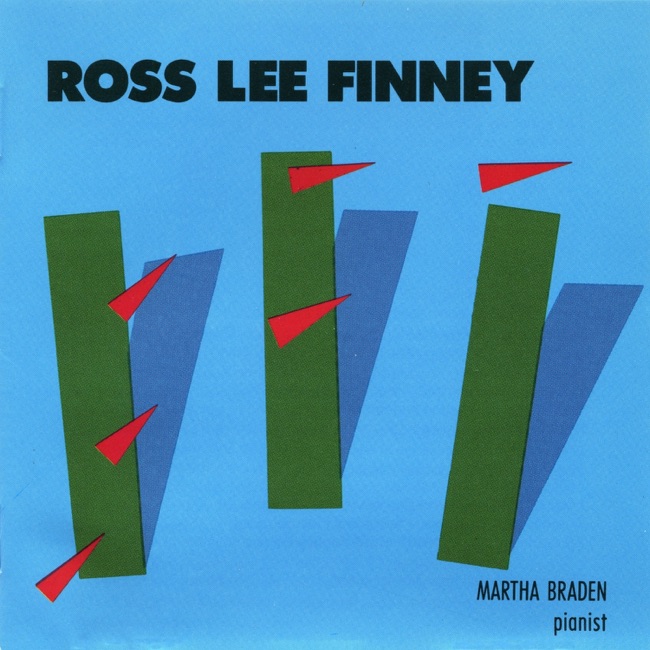 April 20, 1994
Artist Info
Role:ComposerBirth:December 23, 1906 in Wells, MNDeath:February 4, 1997 in Carmel, CAPeriod:ModernGenre:KeyboardRoss Lee Finney was an American composer who was born on December 23, 1906, in Wells, Minnesota. He was the son of a Methodist minister and grew up in a musical family. His mother was a pianist, and his father played the violin. Finney began playing the piano at a young age and showed an early interest in music. Finney attended Carleton College in Northfield, Minnesota, where he studied music and philosophy. He then went on to study at the Eastman School of Music in Rochester, New York, where he earned a Bachelor of Music degree in 1929. He continued his studies at the University of Rochester, where he earned a Master of Arts degree in 1931. After completing his studies, Finney worked as a music teacher and composer. He taught at several universities, including Smith College, the University of Michigan, and the University of California, Berkeley. He also served as the composer-in-residence at the University of Louisville and the University of Pittsburgh. Finney's music was influenced by a variety of styles, including neoclassicism, serialism, and aleatory music. He was known for his use of complex rhythms and harmonies, as well as his incorporation of electronic music into his compositions. One of Finney's most famous works is his Symphony No. 3, which was commissioned by the Boston Symphony Orchestra and premiered in 1950. The symphony is known for its use of complex rhythms and harmonies, as well as its incorporation of electronic music. It was well-received by critics and helped establish Finney as a leading American composer. Another notable work by Finney is his String Quartet No. 2, which was commissioned by the Juilliard String Quartet and premiered in 1953. The quartet is known for its use of aleatory techniques, which allow the performers to make choices about the order and timing of certain musical elements. It was one of the first works to use this technique in a string quartet. Finney also composed several operas, including The Praises of God, which premiered in 1961. The opera is based on the Book of Job and explores themes of faith and suffering. It was well-received by critics and helped establish Finney as a leading American opera composer. In addition to his work as a composer, Finney was also a respected music educator. He taught at several universities and was known for his innovative teaching methods. He was a strong advocate for contemporary music and encouraged his students to explore new styles and techniques. Finney received numerous awards and honors throughout his career, including a Guggenheim Fellowship and a Pulitzer Prize nomination. He was also a member of the American Academy of Arts and Letters and the National Institute of Arts and Letters. Finney died on February 4, 1997, in Carmel, California. He left behind a legacy as one of America's leading composers and educators. His music continues to be performed and studied by musicians and scholars around the world.More....
Recent Artist Music

4
7:29



Copyright Ⓒ 2013 Davinci Finger. All rights reseved
Service Terms & Policy