


Nicholas Maw
Released Album
Chamber
-
-
 April 24, 2020
 -
 November 13, 2015
 -
-
 April 8, 2013
 -
 April 1, 2013
Orchestral
-
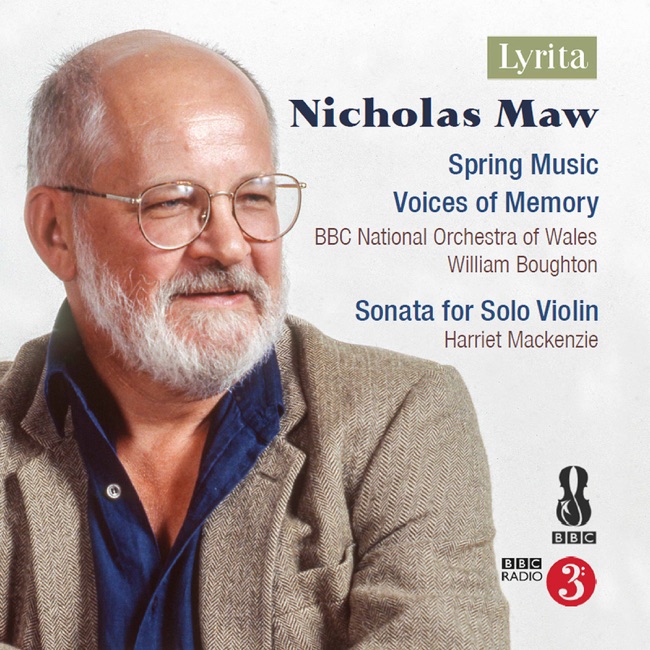 February 7, 2020
 -
 May 3, 2011
 -
-
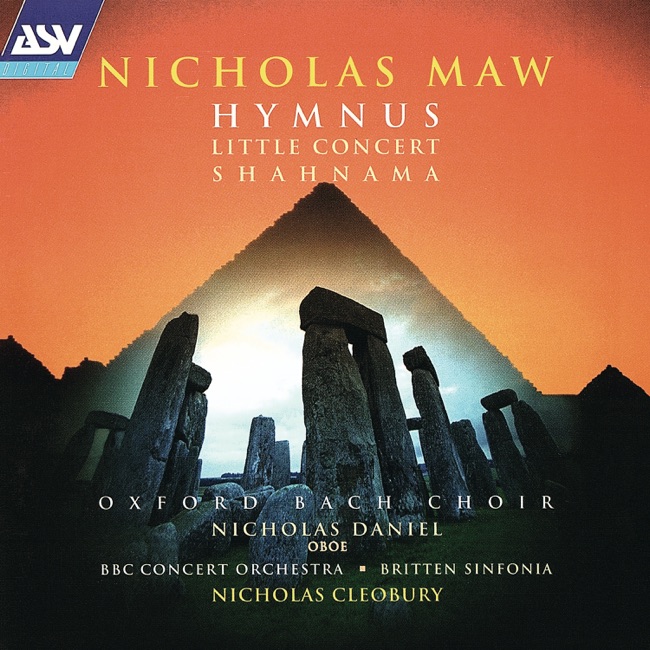 November 1, 1999
 -
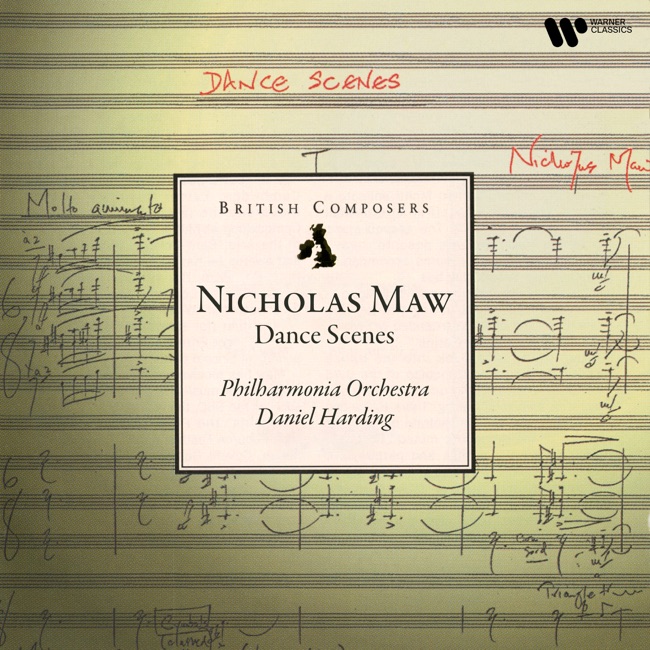 January 1, 1996
 -
 January 1, 1991
Choral
-
 September 13, 2019
 -
 November 18, 2008
 -
 January 2, 2007
 -
-
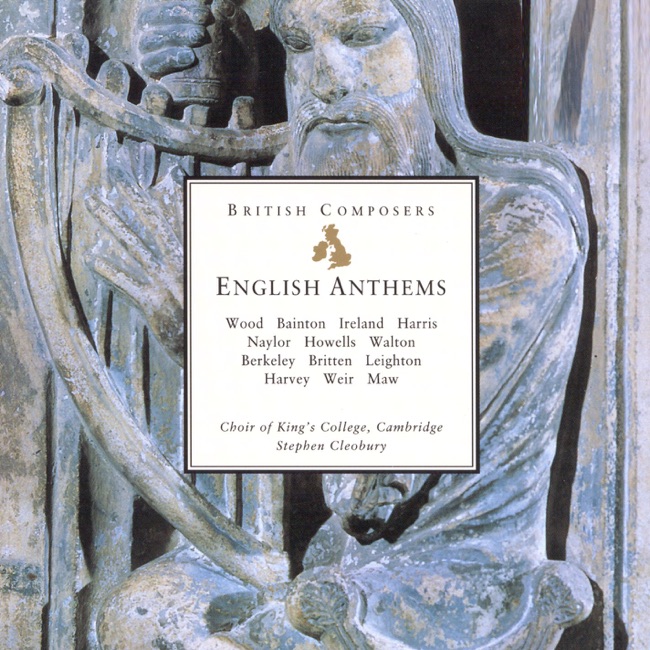 June 12, 1993
Vocal
-
 April 11, 2005
Artist Info
Role:ComposerCountry: United KingdomBirth:November 5, 1935 in Grantham, Lincolnshire, EnglandDeath:May 19, 2009 in Washington, D.C.Period:ContemporaryGenre:ChamberConcertoOrchestralVocalNicholas Maw was a British composer who was born on November 5, 1935, in Grantham, Lincolnshire, England. He was the son of a clergyman and grew up in a musical family. His mother was a pianist, and his father played the organ. Maw began playing the piano at a young age and showed an early talent for music. Maw attended the Royal Academy of Music in London, where he studied composition with Lennox Berkeley and piano with Harold Craxton. He also studied privately with Nadia Boulanger in Paris. Maw's early works were influenced by the music of Benjamin Britten, whom he admired greatly. Maw's first major work was his Symphony in One Movement, which he composed in 1957. The piece was well-received and helped establish Maw as a promising young composer. In the 1960s, Maw began to experiment with serialism and other modernist techniques, but he eventually returned to a more tonal style of composition. One of Maw's most famous works is his opera, "The Rising of the Moon," which premiered in 1970. The opera is based on a play by Lady Gregory and tells the story of a group of Irish rebels who are planning an uprising against British rule. The opera was well-received and helped establish Maw as a major figure in British music. Maw's other notable works include his Symphony No. 2, which was commissioned by the BBC and premiered in 1983. The symphony is a tribute to the composer's friend and fellow composer, Peter Warlock, who committed suicide in 1930. Maw's Symphony No. 3, which premiered in 1990, is a tribute to the composer's wife, Karen, who died of cancer in 1989. Maw also composed several chamber works, including his String Quartet No. 1, which premiered in 1964, and his String Quartet No. 2, which premiered in 1988. His other chamber works include his Sonata for Violin and Piano, which premiered in 1963, and his Sonata for Cello and Piano, which premiered in 1966. Maw was also a respected teacher of composition and taught at several universities, including the University of Exeter, the University of Chicago, and the Peabody Institute of Music. He was known for his rigorous approach to composition and for his ability to inspire his students to create their own unique works. Maw's later works were characterized by a more lyrical and tonal style, and he continued to compose until his death in 2009. His final work, "Odyssey," was commissioned by the Boston Symphony Orchestra and premiered in 2007. In conclusion, Nicholas Maw was a British composer who was known for his lyrical and tonal style of composition. He was a respected teacher of composition and inspired many young composers to create their own unique works. Maw's most famous works include his opera, "The Rising of the Moon," and his Symphony No. 2. He continued to compose until his death in 2009 and left behind a legacy of beautiful and inspiring music.More....
Recent Artist Music

5
2:57

8
3:38



Copyright Ⓒ 2013 Davinci Finger. All rights reseved
Service Terms & Policy