


Béla Bartók
The Miraculous Mandarin, pantomime in 1 act, Sz. 73, Op. 19
Released Album
Recent Album










Featured Album








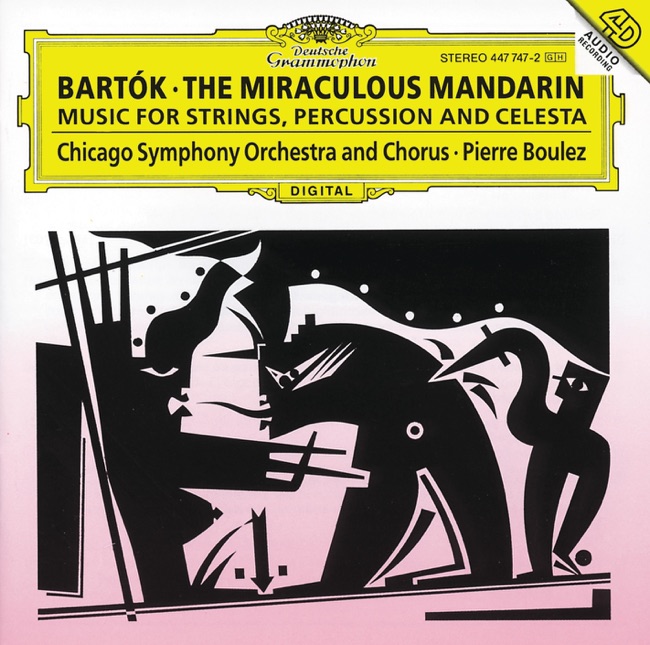

Works Info
Composer:Béla BartókGenre:OrchestralStyle:BalletCompose Date:1918 - 1919Average_duration:30:34Béla Bartók's "The Miraculous Mandarin" is a one-act pantomime ballet that was composed between 1918 and 1924. The work was premiered in Cologne, Germany, on November 27, 1926, and was met with controversy due to its violent and sexually explicit content. The ballet is divided into five movements, each of which represents a different scene in the story. The first movement introduces the three tramps who are looking for a way to make money. The second movement introduces the Mandarin, a wealthy man who is lured into a trap by the tramps. The third movement features the seduction of the Mandarin by a prostitute, who is hired by the tramps to entice him. The fourth movement depicts the violent struggle between the Mandarin and the tramps, and the final movement shows the Mandarin's death and the tramps' escape. The music of "The Miraculous Mandarin" is characterized by its dissonant harmonies, complex rhythms, and use of folk melodies. Bartók's use of percussion instruments, such as the xylophone and snare drum, adds to the dramatic tension of the work. The score also features a prominent role for the saxophone, which was a relatively new instrument at the time of the composition. The ballet's controversial content led to its banning in several countries, including Hungary and Germany. However, it has since become recognized as a masterpiece of 20th-century music and dance. The work's exploration of themes such as violence, sexuality, and greed continues to resonate with audiences today.More....
Works Music
Released Music
1

2:4
3

The Miraculous Mandarin, pantomime in 1 act, Sz. 73, Op. 19
Introduction: A Bustling City Street. Allegro
1:16
4

2:58
5
17:45

7
17:1
8

3:16

10

1:24
Featured Music
1

The Miraculous Mandarin, pantomime in 1 act, Sz. 73, Op. 19
Introduction: A bustling city street (Allegro)
3:28
4

3:7
10
5:1
11
The Miraculous Mandarin, pantomime in 1 act, Sz. 73, Op. 19
VIII. Suddenly the Mandarin's Head Appears
7:13
12
The Miraculous Mandarin, pantomime in 1 act, Sz. 73, Op. 19
IX. The Mandarin Falls on the Floor
2:15

Main Perform Artists