Arnold Schoenberg
String Quartet No. 1 in D minor, Op. 7
Released Album
Recent Album
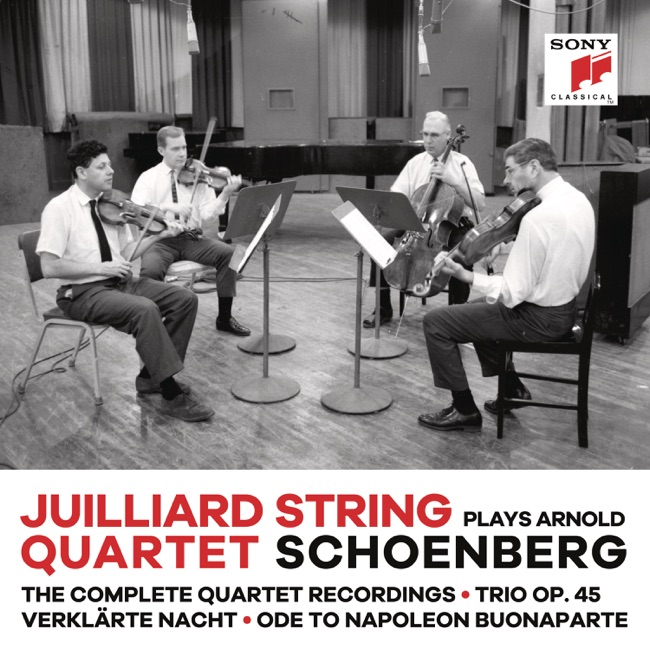
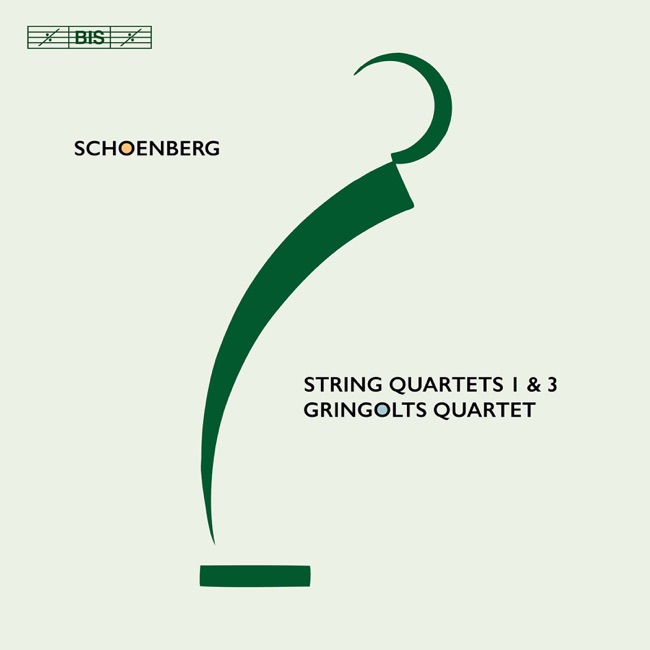
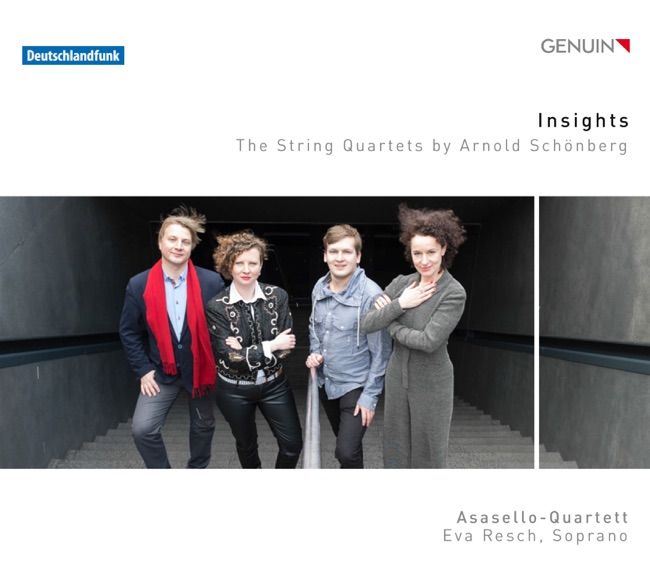

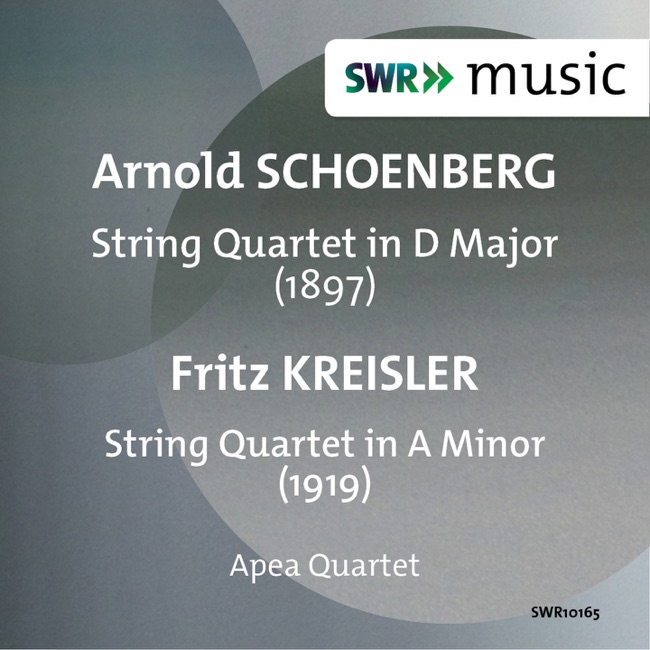
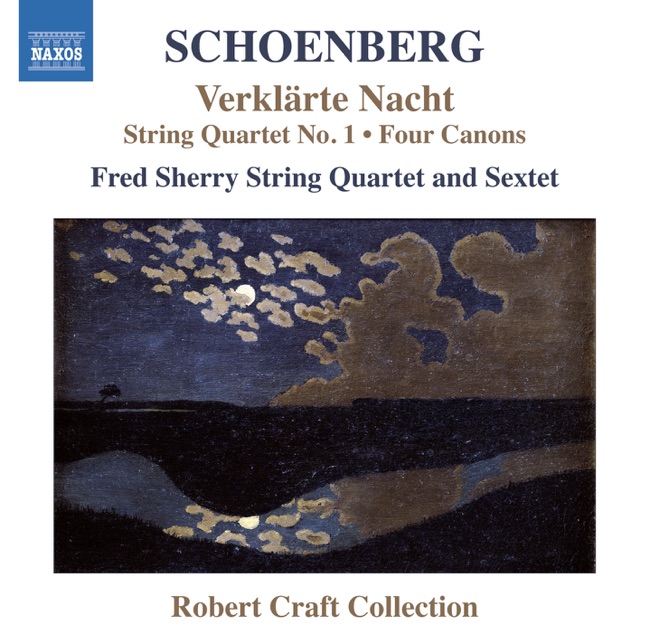
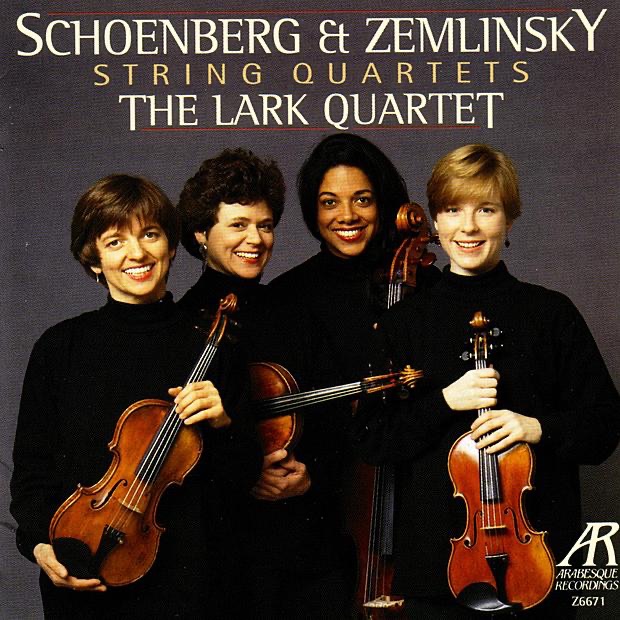
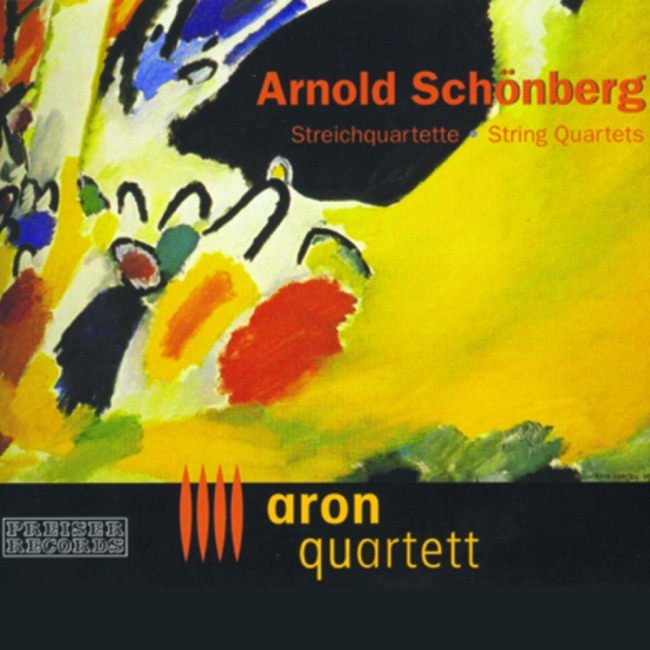
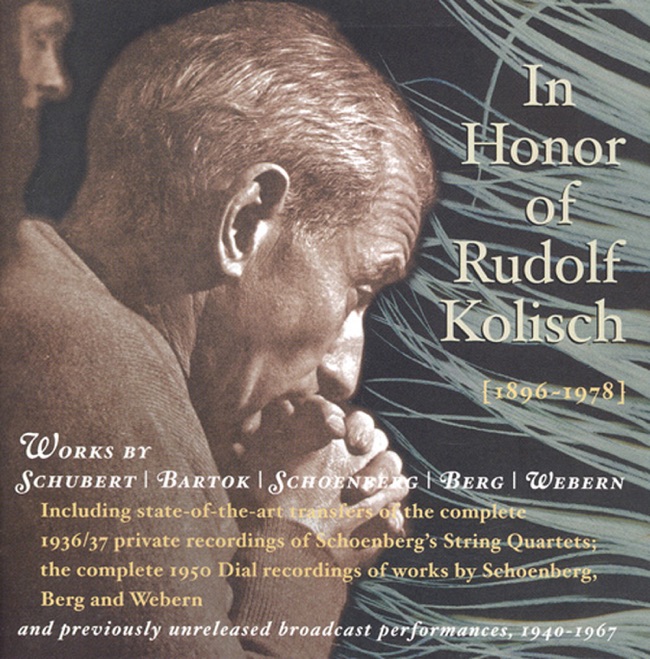
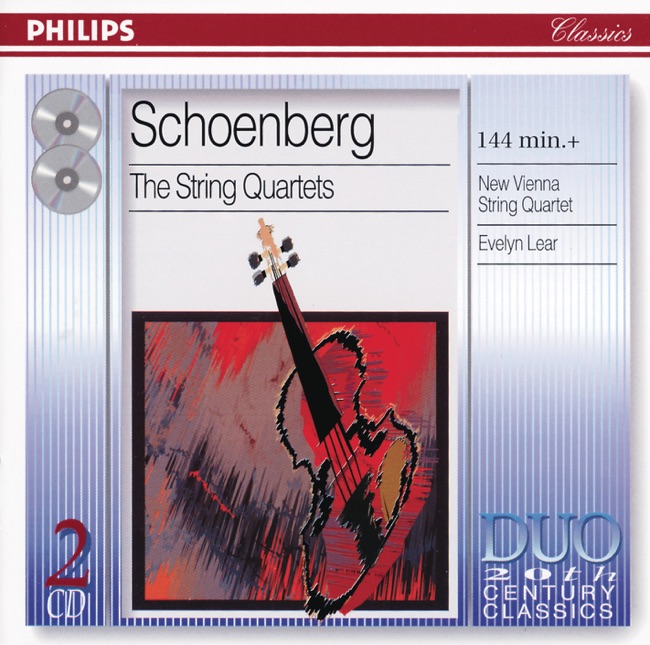
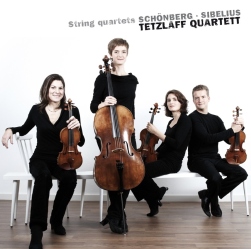
Featured Album
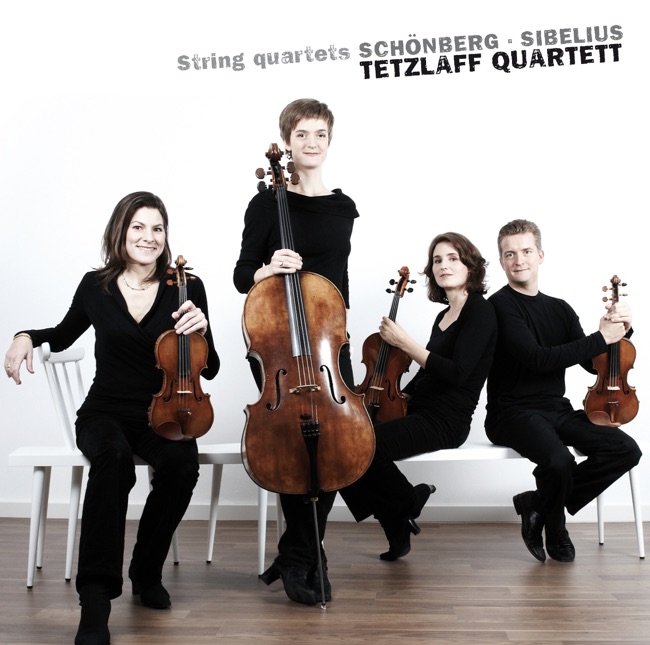
Works Info
Composer:Arnold SchoenbergGenre:ChamberStyle:QuartetCompose Date:1904 - 1905Average_duration:45:12Movement_count:4Movement ....Arnold Schoenberg's String Quartet No. 1 in D minor, Op. 7, was composed in 1905 and premiered in Vienna on March 5, 1907. The quartet is divided into four movements and is considered one of Schoenberg's earliest works in his atonal style. The first movement, marked "Mäßig" (moderately), begins with a hauntingly beautiful melody played by the first violin. The other instruments soon join in, creating a dense and complex texture. The movement is characterized by its use of dissonance and chromaticism, which create a sense of tension and unease. The second movement, marked "Sehr rasch" (very fast), is a scherzo that features a frenzied and frenetic energy. The music is marked by sudden shifts in tempo and dynamics, as well as unexpected pauses and silences. The movement is notable for its use of pizzicato, which creates a percussive effect. The third movement, marked "Litanei" (litany), is a slow and mournful piece that features a solo violin playing a plaintive melody. The other instruments provide a gentle accompaniment, creating a sense of melancholy and introspection. The movement is characterized by its use of long, sustained notes and a sense of stasis. The final movement, marked "Entrückung" (rapture), is a fast and frenzied piece that features a driving rhythm and a sense of urgency. The music is marked by sudden shifts in tempo and dynamics, as well as unexpected pauses and silences. The movement is characterized by its use of polyrhythms and complex textures, which create a sense of chaos and disorientation. Overall, Schoenberg's String Quartet No. 1 in D minor, Op. 7, is a groundbreaking work that helped to usher in a new era of modernist music. The quartet is characterized by its use of dissonance, chromaticism, and atonality, which challenged traditional notions of tonality and harmony. The work is also notable for its use of complex textures and rhythms, which create a sense of tension and unease.More....
Works Music
Released Music

10
43:16
Featured Music