


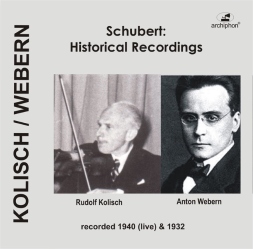
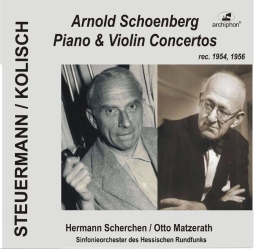
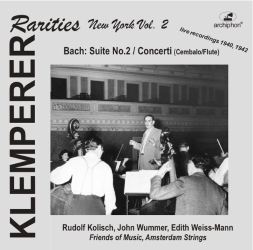
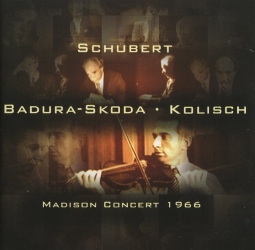
Rudolf Kolisch
Released Album
Chamber
-
-
 October 1, 2011
 -
 October 1, 2011
 -
-
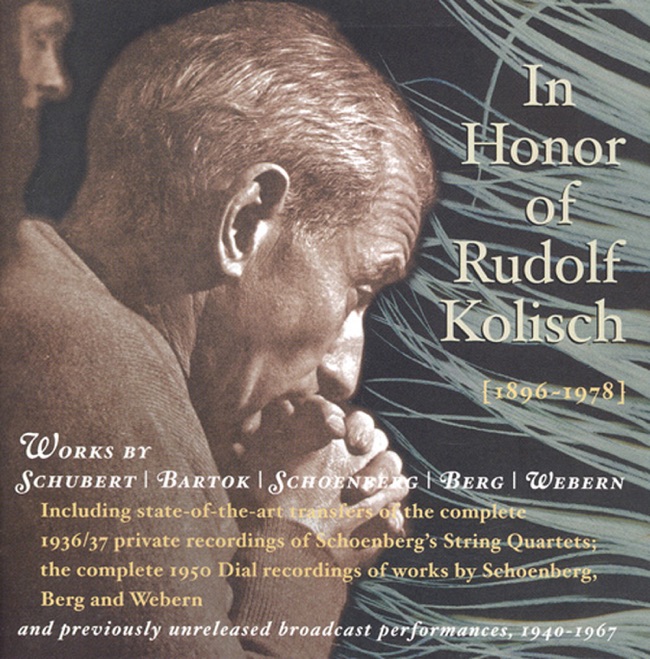 May 27, 2003
Concerto
-
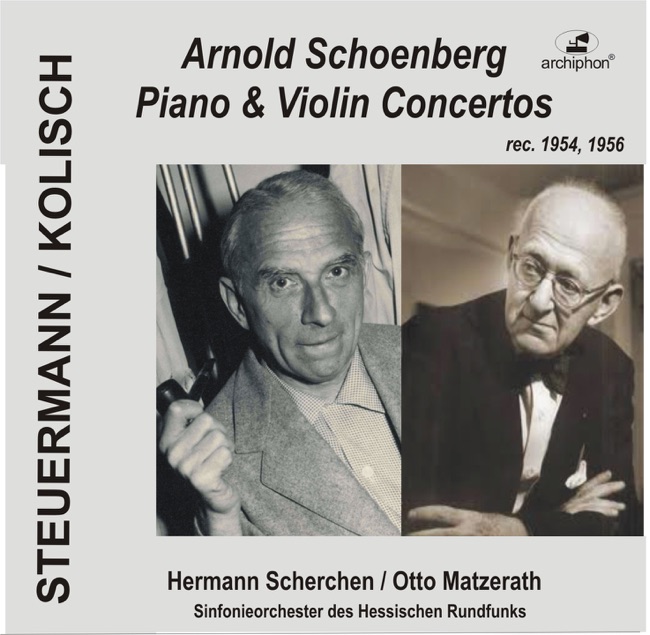 March 5, 2013
 -
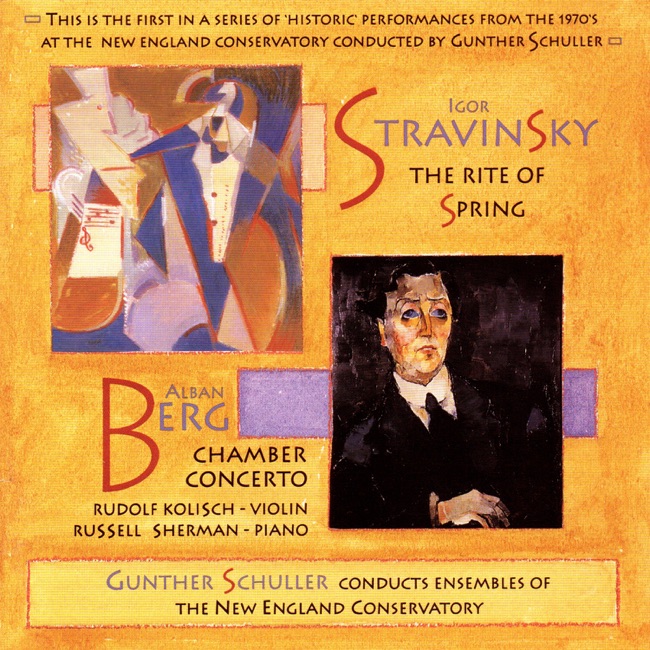 August 7, 2001
Orchestral
-
 June 14, 2019
Artist Info
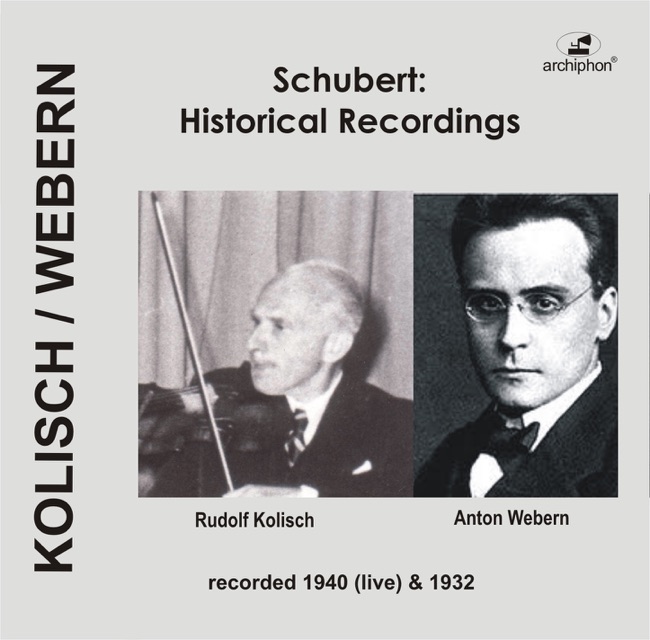
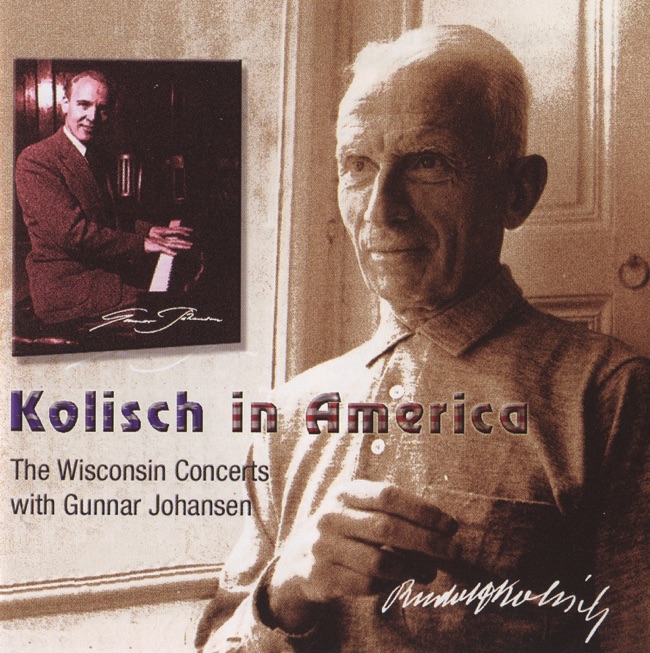
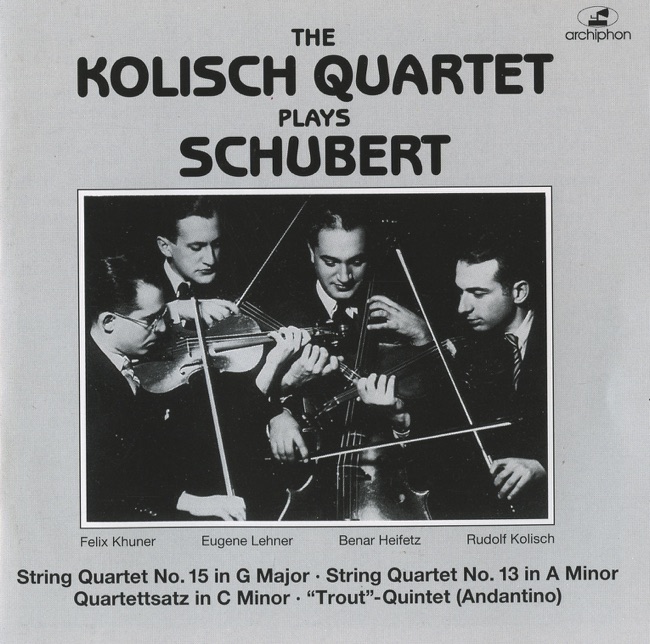
Country: AustriaBirth:July 20, 1896 in Klamm am Semmering, AustriaDeath:August 1, 1978 in Waterville, MAPeriod:RomanticModernGenre:ChamberConcertoRudolf Kolisch was a renowned classical music artist, born on June 20, 1896, in Vienna, Austria. He was the son of a prominent Jewish family, and his father was a successful businessman. Kolisch showed an early interest in music and began playing the violin at a young age. He received his formal training at the Vienna Conservatory, where he studied under the tutelage of the renowned violinist Arnold Rosé. Kolisch's talent as a violinist was quickly recognized, and he began performing professionally at the age of 16. He soon became a sought-after soloist, performing with some of the most prestigious orchestras in Europe. In 1919, he joined the Vienna Philharmonic Orchestra, where he played for several years before leaving to pursue a solo career. In the 1920s, Kolisch began to focus on chamber music, forming the Kolisch Quartet in 1921. The quartet quickly gained a reputation for their innovative interpretations of classical works, and they became one of the most respected chamber ensembles of their time. The quartet's members included Rudolf Kolisch on first violin, Eugene Lehner on second violin, Felix Khuner on viola, and Benar Heifetz on cello. The Kolisch Quartet's performances were characterized by their intense emotional depth and their commitment to exploring the full range of expression in the music they played. They were particularly known for their interpretations of the works of Arnold Schoenberg, who was a close friend and collaborator of Kolisch's. The quartet premiered many of Schoenberg's works, including his String Quartet No. 2, which was dedicated to Kolisch. In addition to his work with the Kolisch Quartet, Rudolf Kolisch was also a respected teacher and mentor. He taught at the New England Conservatory of Music in Boston from 1938 to 1942, and he later taught at the University of California, Los Angeles from 1947 to 1967. Many of his students went on to become successful musicians in their own right, and his influence on the development of modern classical music cannot be overstated. Kolisch's career was not without its challenges, however. As a Jewish musician living in Europe during the rise of Nazi Germany, he faced increasing persecution and discrimination. In 1938, he and his wife, Gertrud, fled to the United States to escape the growing threat of anti-Semitism. Despite the difficulties he faced, Kolisch continued to perform and teach, and he remained a vital force in the world of classical music until his death in 1978. Throughout his career, Rudolf Kolisch received numerous awards and honors for his contributions to the world of classical music. In 1966, he was awarded the Austrian Cross of Honor for Science and Art, and in 1972, he was awarded the Order of Merit of the Federal Republic of Germany. He was also a member of the American Academy of Arts and Sciences and the American Academy of Arts and Letters. Today, Rudolf Kolisch is remembered as one of the most important figures in the development of modern classical music. His innovative interpretations of classical works and his commitment to exploring the full range of expression in music continue to inspire musicians and audiences around the world.More....
Recent Artist Music
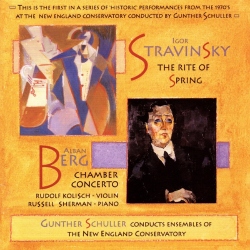
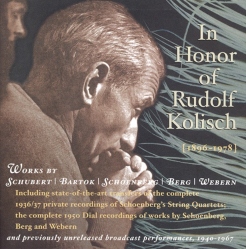
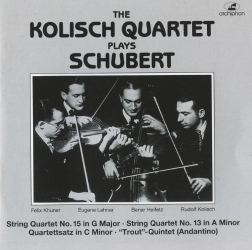
4
Mid-life
Mitte des Lebens, cantata on words of the late Hölderlin, for soprano and five instruments
13:1
7
13:
9
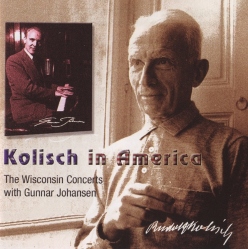
7:50
10
6:16
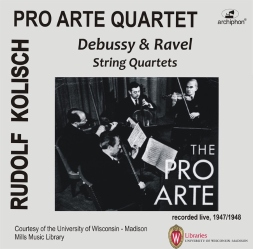
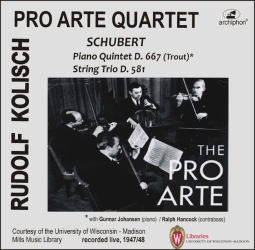
13
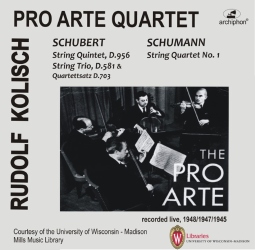
Robert Schumann
Radio Announcement 7
1:2
14
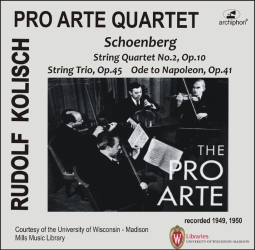
17:2
Copyright Ⓒ 2013 Davinci Finger. All rights reseved
Service Terms & Policy