


Claude Debussy
Épigraphes antiques (6), L. 131
Released Album
Recent Album




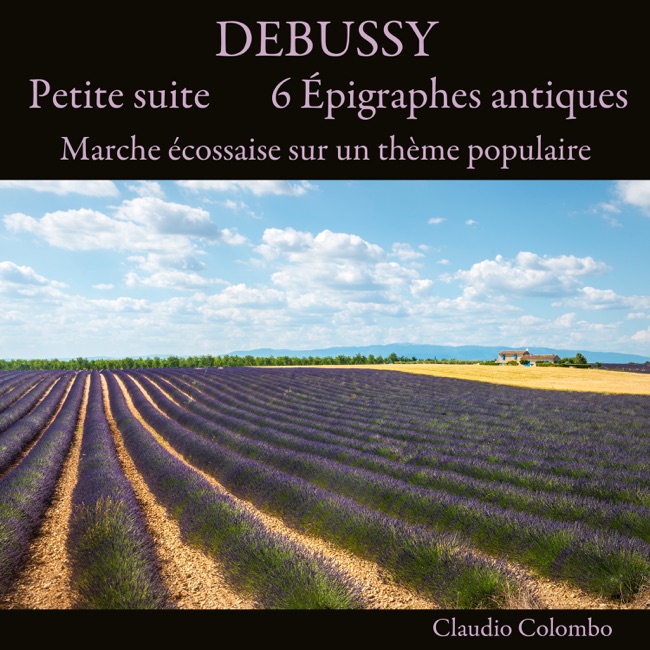







Featured Album


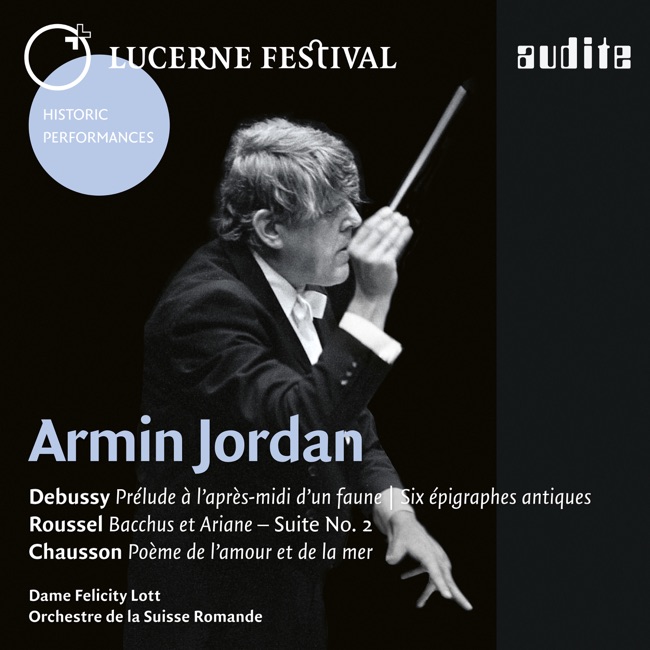
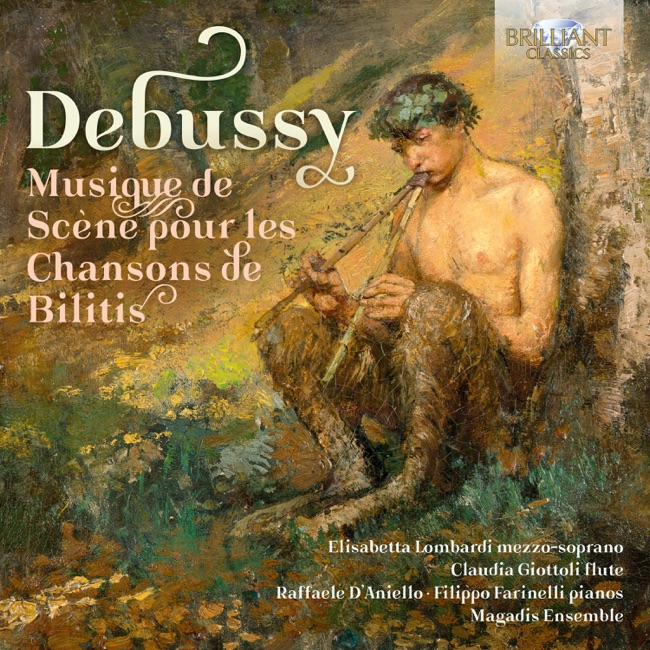







Works Info
Composer:Claude DebussyGenre:KeyboardStyle:Character PieceCompose Date:1914Average_duration:15:48Movement_count:6Movement ....Épigraphes antiques (6), L. 131 is a set of six pieces for piano four hands composed by Claude Debussy. The work was composed in 1914 and premiered in the same year in Paris. The six movements are titled "Pour invoquer Pan, dieu du vent d'été," "Pour un tombeau sans nom," "Pour que la nuit soit propice," "Pour la danseuse aux crotales," "Pour l'égyptienne," and "Pour remercier la pluie au matin." The first movement, "Pour invoquer Pan, dieu du vent d'été," is characterized by its lively and playful melody, which is reminiscent of the Greek god Pan. The second movement, "Pour un tombeau sans nom," is a somber and mournful piece that is meant to evoke the feeling of a tomb without a name. The third movement, "Pour que la nuit soit propice," is a slow and dreamy piece that is meant to evoke the feeling of a peaceful night. The fourth movement, "Pour la danseuse aux crotales," is a lively and rhythmic piece that is meant to evoke the image of a dancer with castanets. The fifth movement, "Pour l'égyptienne," is a mysterious and exotic piece that is meant to evoke the feeling of ancient Egypt. The final movement, "Pour remercier la pluie au matin," is a joyful and celebratory piece that is meant to evoke the feeling of gratitude for the rain. Overall, Épigraphes antiques (6), L. 131 is a beautiful and evocative work that showcases Debussy's mastery of the piano four hands genre. Each movement is unique and has its own distinct character, making the work a true masterpiece of impressionist music.More....
Works Music
Released Music










Featured Music


Recommend Playlist
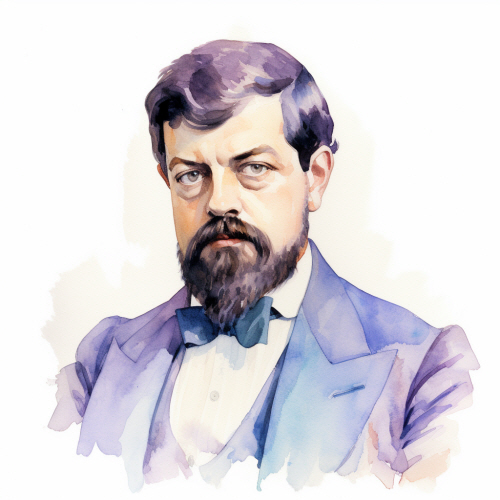






Main Perform Artists
Piano
Piano
Piano
Piano
Piano
Piano
Piano
Piano
Piano
Piano
Piano
Piano