


Johann Sebastian Bach
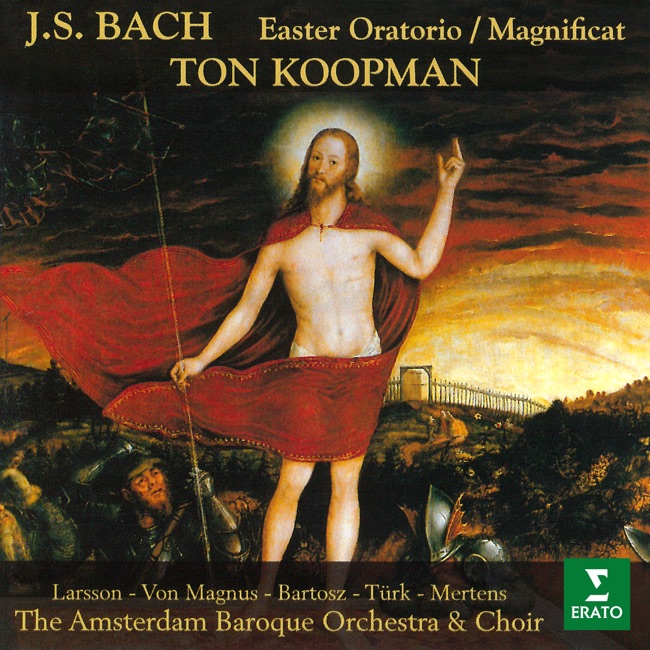
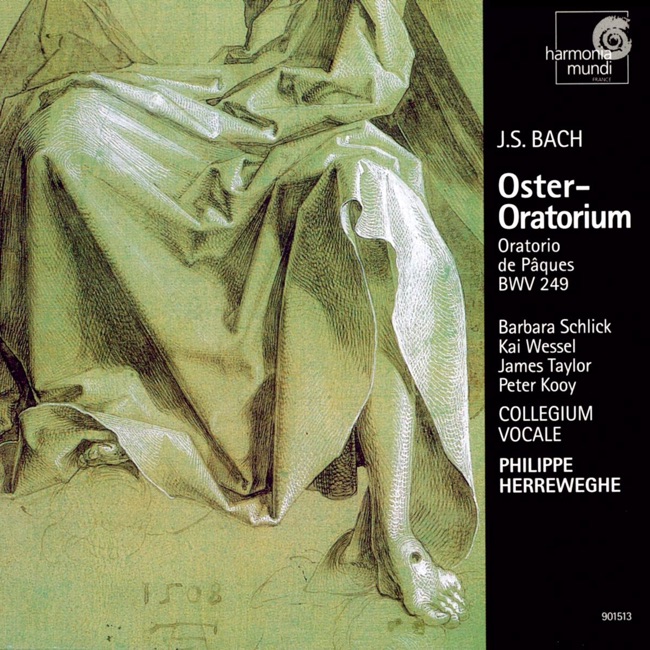
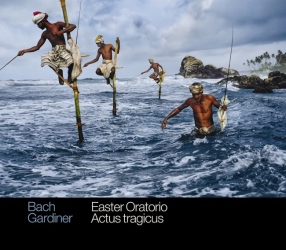
Easter Oratorio, BWV 249
Released Album
Recent Album
-
-
 Judith FalkMarch 15, 2024
 -
-
-
-
-
-
-
-
-
-
Featured Album
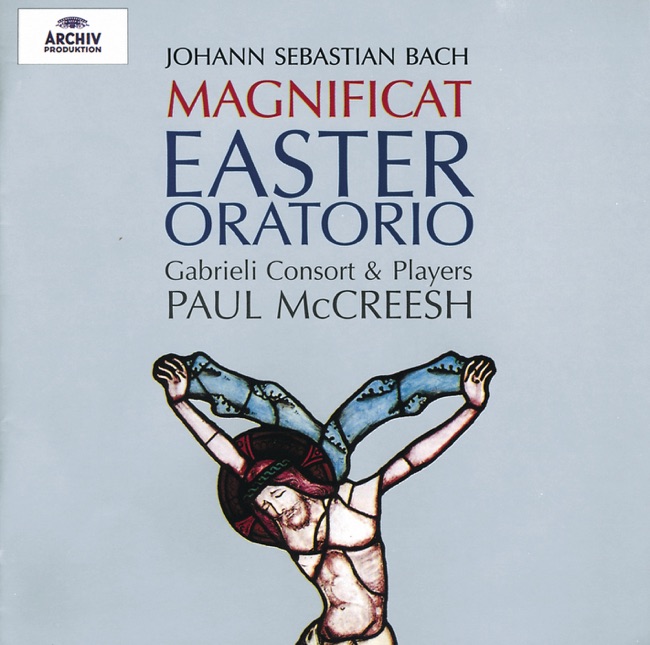
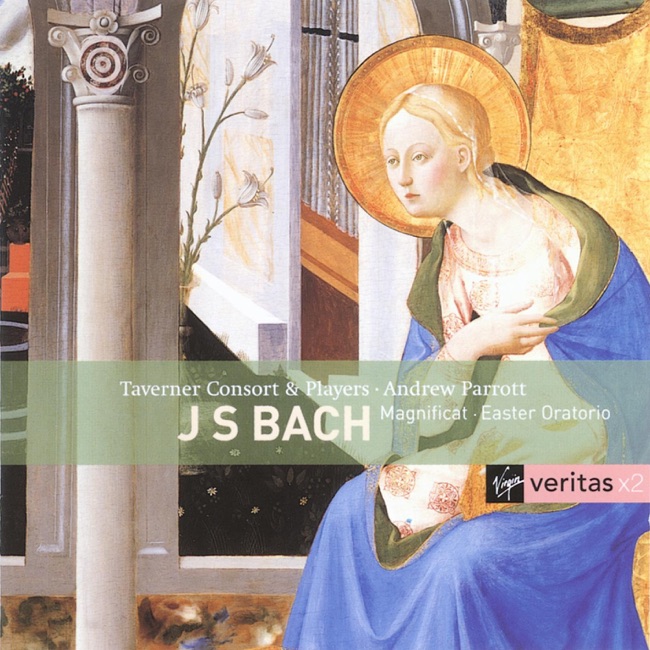
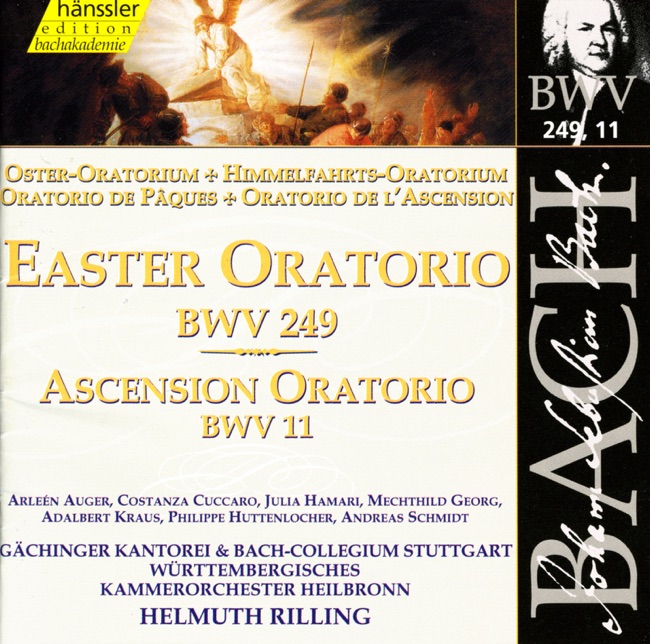
Works Info
Composer:Johann Sebastian BachGenre:ChoralStyle:OratorioCompose Date:1743 - 1746Publication Date:1852Average_duration:43:06Movement_count:12Movement ....Johann Sebastian Bach's Easter Oratorio, BWV 249, is a sacred cantata that was composed in 1725. It was first performed on Easter Sunday of the same year in Leipzig, Germany. The work is divided into eleven movements and is scored for four vocal soloists, a choir, and a Baroque orchestra consisting of trumpets, timpani, oboes, strings, and continuo. The first movement, "Sinfonia," is an instrumental introduction that sets the tone for the entire work. It features a joyful and celebratory melody played by the orchestra. The second movement, "Adagio," is a duet for soprano and tenor that expresses the sorrow and grief of the disciples after the death of Jesus. The third movement, "Chorus," is a triumphant declaration of the resurrection of Jesus. The choir sings with great energy and enthusiasm, accompanied by the full orchestra. The fourth movement, "Duetto," is a joyful duet for alto and bass that celebrates the victory of Jesus over death. The fifth movement, "Chorus," is a hymn of praise to God for the resurrection of Jesus. The choir sings with great fervor, accompanied by the trumpets and timpani. The sixth movement, "Recitative," is a solo for tenor that reflects on the significance of the resurrection. The seventh movement, "Aria," is a solo for soprano that expresses the joy and gratitude of the believer for the gift of salvation. The eighth movement, "Chorus," is a hymn of thanksgiving to God for the resurrection of Jesus. The choir sings with great exuberance, accompanied by the full orchestra. The ninth movement, "Recitative," is a solo for bass that reflects on the power of the resurrection to transform lives. The tenth movement, "Aria," is a solo for alto that expresses the hope and assurance of eternal life through faith in Jesus. The final movement, "Chorus," is a hymn of praise to God for the victory of Jesus over death and sin. Overall, Bach's Easter Oratorio is a masterpiece of Baroque music that celebrates the central event of the Christian faith. Its movements range from sorrowful to joyful, from reflective to exuberant, and from contemplative to triumphant. The work showcases Bach's mastery of choral and orchestral writing, as well as his ability to express deep spiritual truths through music.More....
Works Music
Released Music
3
4:5

Featured Music


Main Perform Artists
Tenor (Vocal)
Soprano Vocal
Tenor Vocal
Alto Vocals
Bass (Vocal)