


Johann Sebastian Bach
Cantata No. 208, "Was mir behagt", BWV 208
Released Album
Recent Album



Featured Album
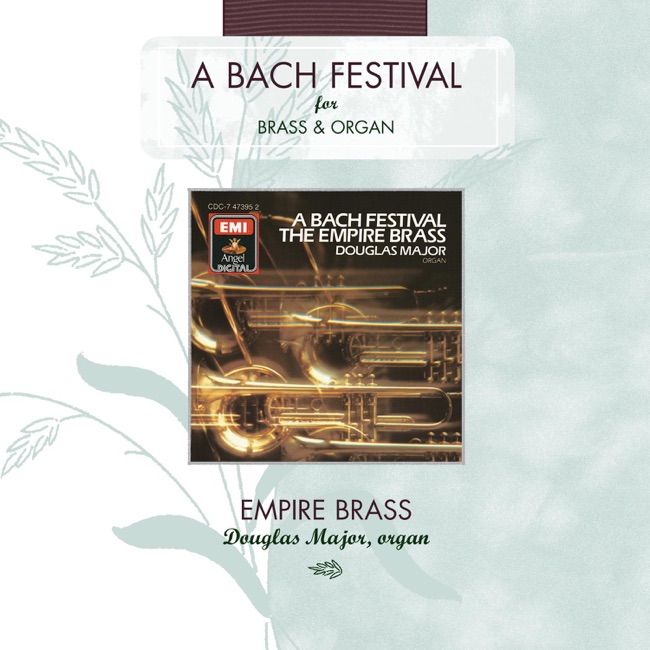
Works Info
Composer:Johann Sebastian BachGenre:ChoralStyle:CantataCompose Date:Feb 23, 1713Publication Date:1881First Performance:Feb 23, 1713Average_duration:29:20Movement_count:15Movement ....Johann Sebastian Bach's Cantata No. 208, also known as the "Hunt Cantata," was composed in 1713 and premiered in Köthen, Germany. The cantata is divided into ten movements and is written for solo voices, choir, and orchestra. The first movement, "Was mir behagt, ist nur die muntre Jagd!" (What pleases me is only the lively hunt!), sets the tone for the entire cantata with its lively and celebratory character. The second movement, "Jagen ist die Lust der Götter" (Hunting is the pleasure of the gods), features a solo soprano singing about the joys of hunting. The third movement, "Doch, bleibe, Schönheit, du nur eine Stunde!" (But stay, beauty, for only one hour!), is a duet between a soprano and a bass, expressing the fleeting nature of beauty and the desire to enjoy it while it lasts. The fourth movement, "Leichtgesinnte Flattergeister" (Frivolous, fluttering spirits), is a lively chorus that celebrates the hunt. The fifth movement, "So schnell ein rauschend Wasser schießt" (As quickly as rushing water flows), is a recitative for a tenor, describing the speed and excitement of the hunt. The sixth movement, "Ein Fürst ist seines Landes Pan" (A prince is the protector of his land), is a solo bass aria that praises the role of the prince in protecting his people. The seventh movement, "Willst du dich nicht mehr ergetzen" (If you no longer wish to delight), is a duet between a soprano and a tenor, expressing the idea that life is short and one should enjoy it while they can. The eighth movement, "Ich liebe den Höchsten von ganzem Gemüte" (I love the Highest with all my heart), is a solo alto aria that expresses the singer's love for God. The ninth movement, "Ich bin vergnügt mit meinem Glücke" (I am content with my fortune), is a solo soprano aria that expresses contentment with one's lot in life. The final movement, "Schafe können sicher weiden" (Sheep may safely graze), is one of Bach's most famous pieces and is often performed on its own. It is a pastoral aria for a soprano that expresses the idea of safety and security in the care of a good shepherd. Overall, Cantata No. 208 is a celebratory work that praises the joys of the hunt and the beauty of nature, while also expressing deeper themes of the fleeting nature of life and the importance of faith and contentment.More....
Works Music
Released Music


9
4:39
Featured Music


11
Cantata no. 208, "What pleases me", BWV 208
Schafe können sicher weiden (Sheep may safely graze)
4:24
12
Cantata no. 208, "What pleases me", BWV 208
IX. Aria. "Schafe k철nnen sicher weiden" (Orch. Marriner)
4:39







Main Perform Artists
Soprano Vocal
Soprano (Vocal)