


Antonio Vivaldi
Trio Sonata for 2 violins & continuo in D minor, Op. 1/12, RV 63 "La follia"
Released Album
Recent Album
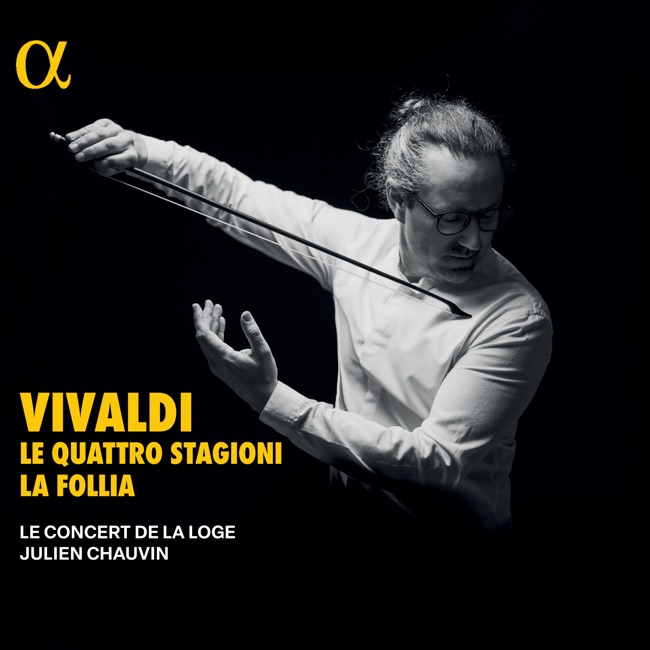
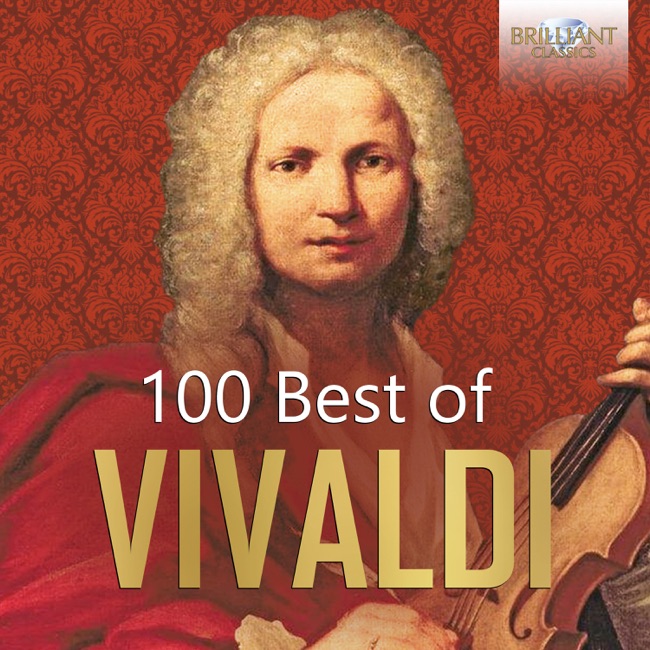
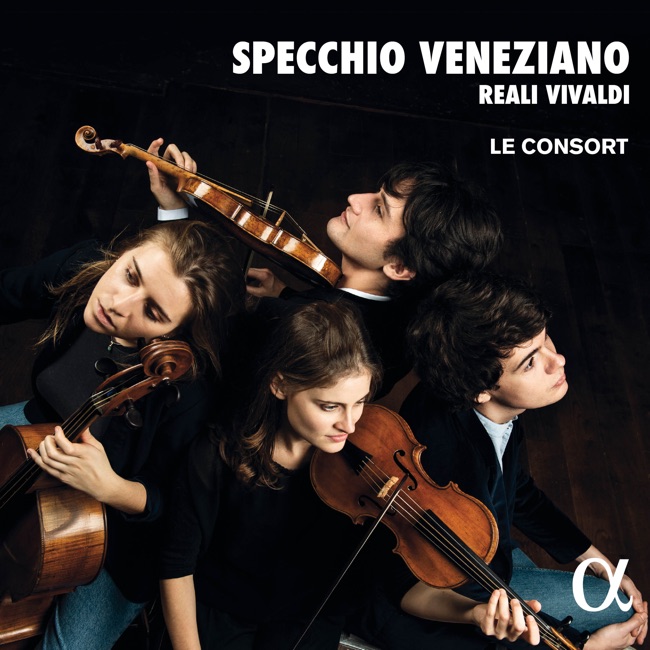
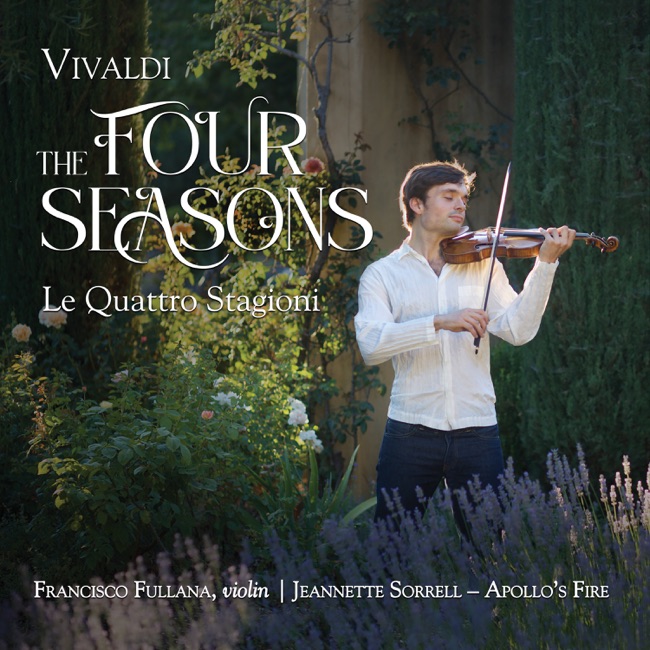
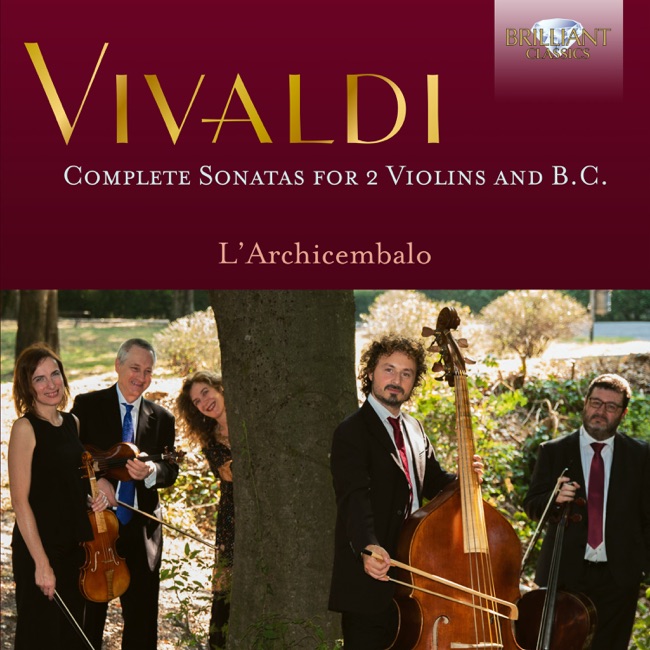
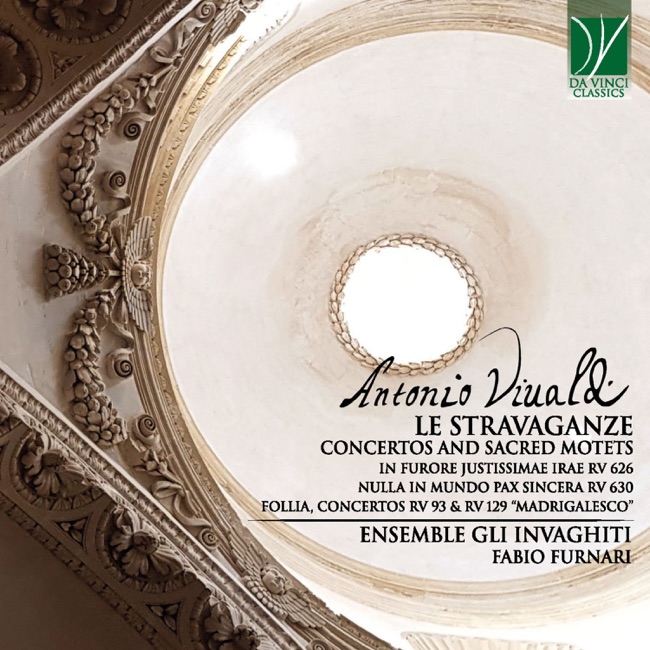
Featured Album
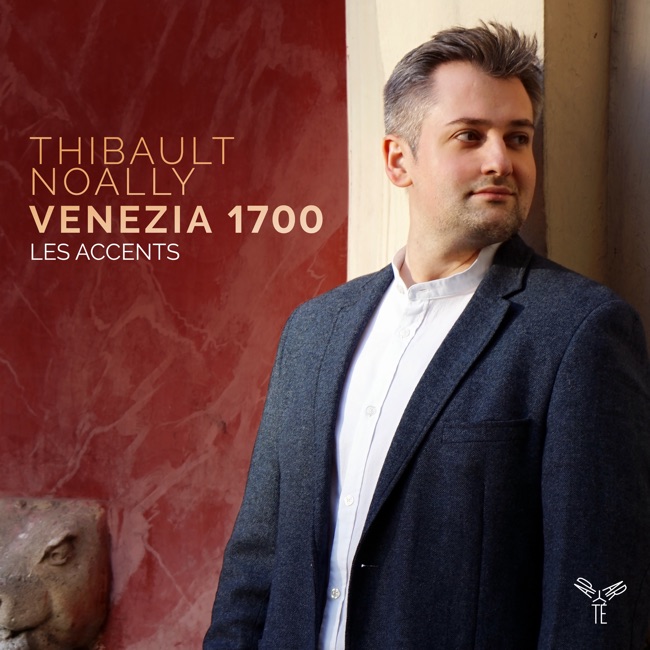
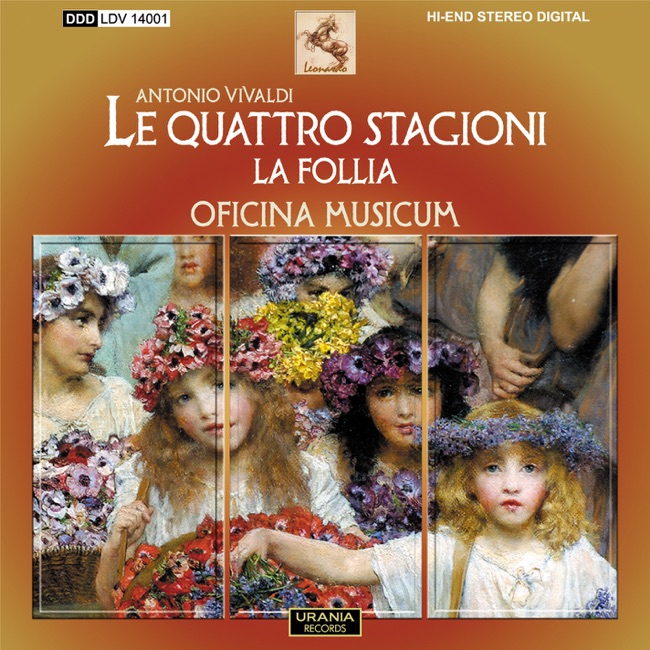
Works Info
Composer:Antonio VivaldiGenre:ChamberStyle:Sonata: Trio SonataCompose Date:1705Average_duration:9:52Movement_count:20Movement ....Antonio Vivaldi's Trio Sonata for 2 violins & continuo in D minor, Op. 1/12, RV 63 La follia, is a Baroque masterpiece that was composed in the early 1700s. The piece is also known as "Madness" or "Folly" and is based on a popular dance tune of the time. It is one of Vivaldi's most famous works and has been performed and recorded by countless musicians over the years. The Trio Sonata for 2 violins & continuo in D minor, Op. 1/12, RV 63 La follia, was composed in 1705 and premiered in Venice, Italy. The piece is made up of 19 movements, each of which is based on the same theme. The theme is a simple melody that was popular in the Baroque era and was used by many composers as a basis for their own works. The first movement of the Trio Sonata for 2 violins & continuo in D minor, Op. 1/12, RV 63 La follia, is a slow and somber introduction that sets the tone for the rest of the piece. The second movement is a lively dance that features the two violins playing in unison. The third movement is a slower, more contemplative piece that showcases the beauty of the violin. The fourth movement is a fast and energetic dance that features intricate violin solos. The fifth movement is a slower, more melancholy piece that features the continuo playing a prominent role. The sixth movement is a lively dance that features the two violins playing off each other in a call-and-response style. The seventh movement is a slow and mournful piece that features the violins playing in harmony. The eighth movement is a fast and lively dance that features the violins playing in unison once again. The ninth movement is a slower, more introspective piece that features the continuo playing a prominent role. The tenth movement is a fast and energetic dance that features the violins playing in a virtuosic style. The eleventh movement is a slower, more contemplative piece that features the violins playing in harmony. The twelfth movement is a lively dance that features the two violins playing off each other in a call-and-response style once again. The thirteenth movement is a slow and mournful piece that features the continuo playing a prominent role. The fourteenth movement is a fast and lively dance that features the violins playing in unison. The fifteenth movement is a slower, more introspective piece that features the violins playing in harmony. The sixteenth movement is a fast and energetic dance that features the violins playing in a virtuosic style once again. The seventeenth movement is a slower, more contemplative piece that features the continuo playing a prominent role. The eighteenth movement is a lively dance that features the two violins playing off each other in a call-and-response style. The final movement of the Trio Sonata for 2 violins & continuo in D minor, Op. 1/12, RV 63 La follia, is a fast and energetic dance that brings the piece to a thrilling conclusion. Throughout the piece, Vivaldi showcases his mastery of the violin and his ability to create complex and beautiful music from a simple theme.More....
Works Music
Released Music
1
Trio Sonata for 2 violins & continuo in D minor, Op. 1/12, RV 63 "La folia"
Sonata in D Minor, Op. 1 No. 12, RV 63, 'La Follia'
9:54
2
1:58
3
9:33
4
9:2
5
Trio Sonata for 2 violins & continuo in D minor, Op. 1/12, RV 63 "La folia"
Variations 2-6 (Allegro)
1:39
6
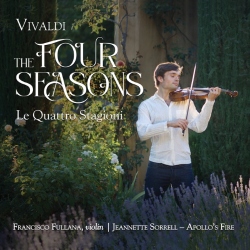
Trio Sonata for 2 violins & continuo in D minor, Op. 1/12, RV 63 "La folia"
La Folia ("Madness") (after the Sonata in D minor, RV 63
10:45
7
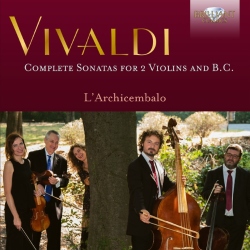
11:30
8
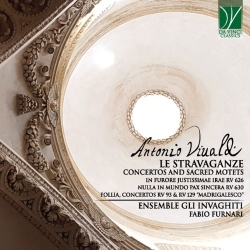
11:6
9
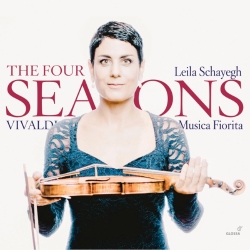
Trio Sonata for 2 violins & continuo in D minor, Op. 1/12, RV 63 "La folia"
Sonata in D minor Op. 1 no. 12, La Follia [RV 63]
9:57
10
Trio Sonata for 2 violins & continuo in D minor, Op. 1/12, RV 63 "La folia"
Sonata Op. I/XII, "Follia", RV 63
9:57
Featured Music
1
9:43
2
8:36
3
9:22
4
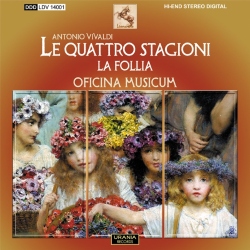
Trio Sonata for 2 violins & continuo in D minor, Op. 1/12, RV 63 "La folia"
La Follia in re minore, Op. 1 No. 12, RV 63
9:32
5
9:24
6
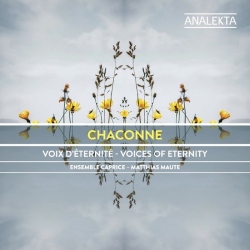
Trio Sonata for 2 violins & continuo in D minor, Op. 1/12, RV 63 "La folia"
Sonata La Follia, Op. 1, No. 12
8:47
7
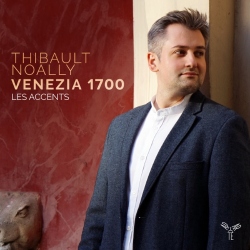
Trio Sonata for 2 violins & continuo in D minor, Op. 1/12, RV 63 "La folia"
Sonate en ré mineur pour deux violons et basse continue "La Follia" Op. 1 No. 12
9:40
Main Perform Artists
Violin
Violin
Violin
Theorbo
Archlute