


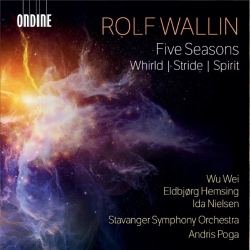
Wu Wei
Released Album
Concerto
-
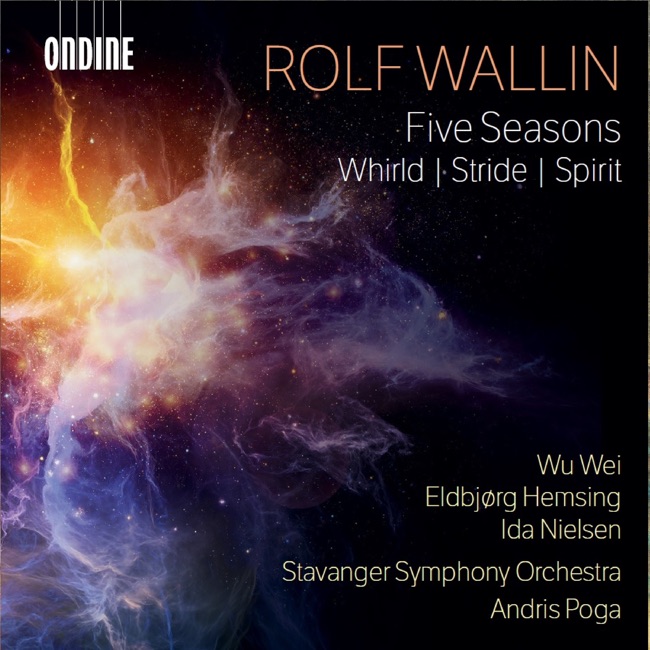 March 1, 2024
 -
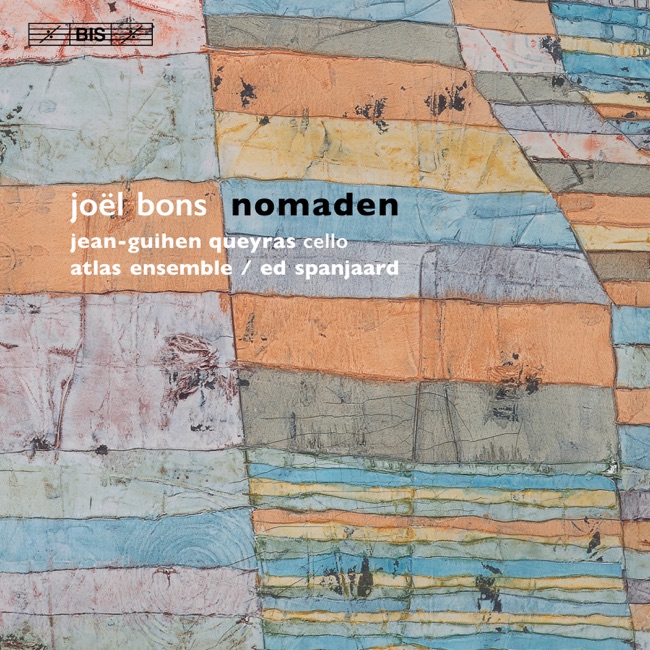 March 1, 2019
 -
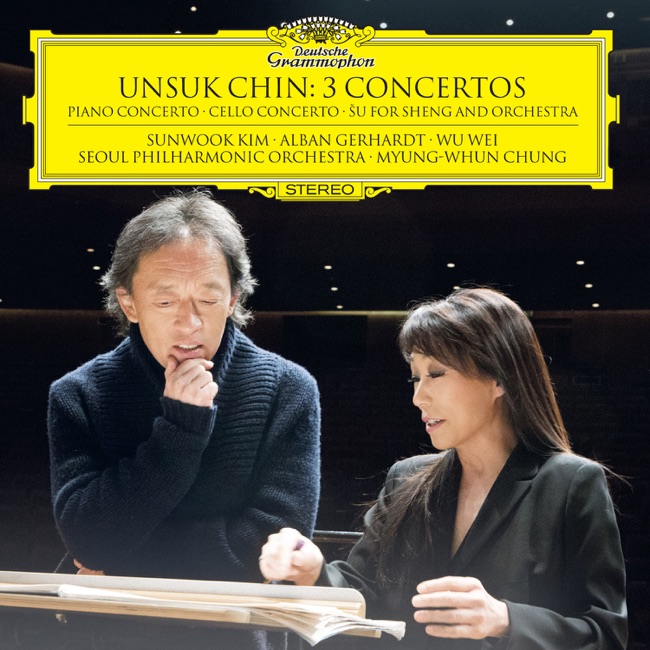 August 19, 2014
Chamber
-
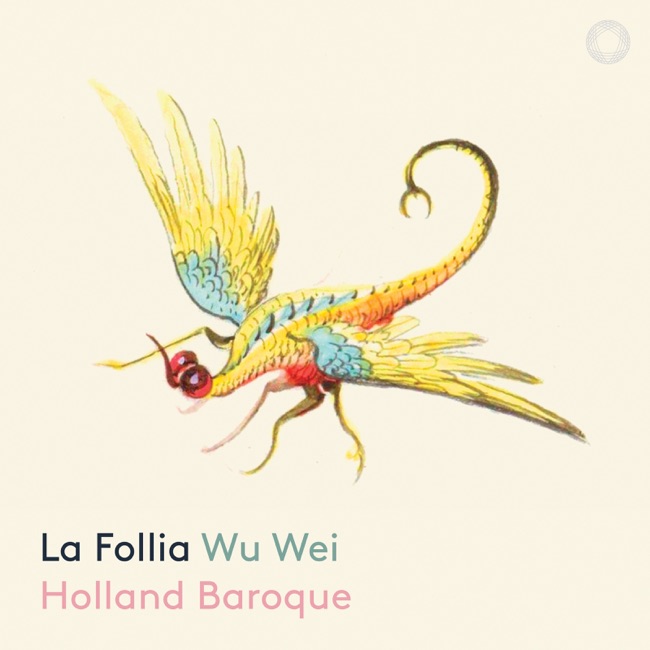
-
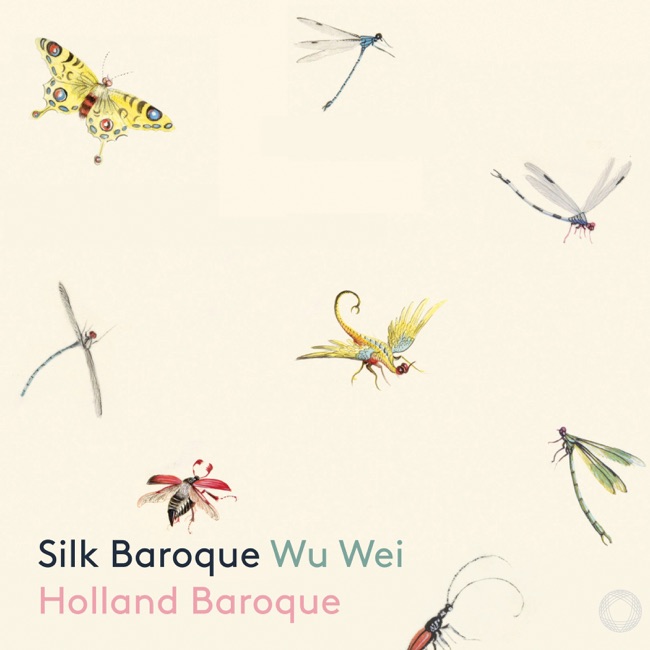 June 7, 2019
 -

-
Orchestral
-
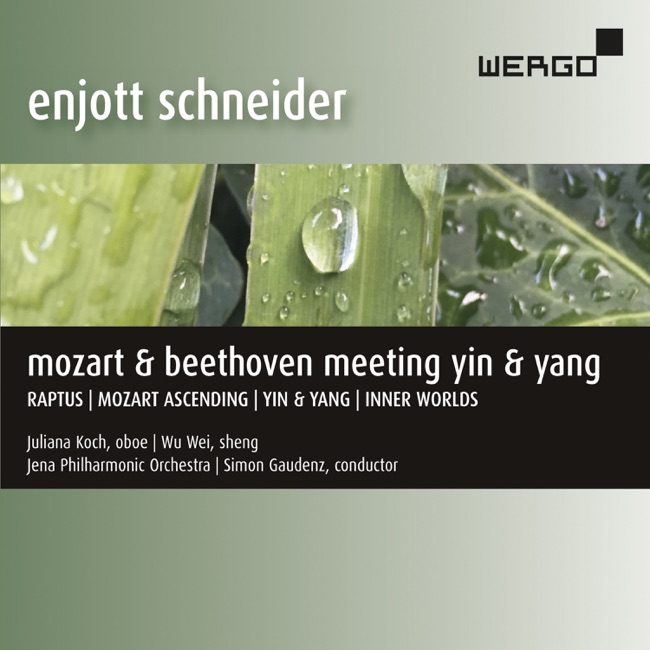 October 11, 2019
Artist Info
Role:Composer PerformerWu Wei is a renowned Chinese musician who has made a significant contribution to the world of classical music. He was born on December 28, 1970, in Tianjin, China. Wu Wei's parents were both musicians, and they played a significant role in his early musical education. His father was a conductor, and his mother was a pianist. Wu Wei started playing the accordion at the age of six, and he quickly showed a natural talent for the instrument. Wu Wei's musical education continued at the Central Conservatory of Music in Beijing, where he studied under the guidance of Professor Wang Tong. During his time at the conservatory, Wu Wei developed a deep understanding of traditional Chinese music and its relationship with Western classical music. He also became interested in the sheng, a traditional Chinese wind instrument that has been played for over 3,000 years. After graduating from the conservatory, Wu Wei became a member of the China National Traditional Orchestra, where he played the sheng. He quickly established himself as one of the leading sheng players in China, and he was invited to perform at many prestigious events, including the opening ceremony of the 2008 Beijing Olympics. In 1995, Wu Wei was awarded a scholarship to study at the Hochschule für Musik und Theater in Hannover, Germany. During his time in Germany, Wu Wei continued to develop his skills as a sheng player and also learned to play the bassoon. He graduated with honors in 2000 and returned to China to continue his career as a musician. Wu Wei's international career began in 2002 when he was invited to perform at the Berlin Philharmonic. He played the sheng in a performance of Tan Dun's "Water Passion After St. Matthew." The performance was a huge success, and Wu Wei received critical acclaim for his virtuosic playing. Since then, Wu Wei has performed with many of the world's leading orchestras, including the New York Philharmonic, the London Symphony Orchestra, and the Royal Concertgebouw Orchestra. He has also collaborated with many renowned conductors, including Sir Simon Rattle, Gustavo Dudamel, and Daniel Barenboim. Wu Wei's repertoire includes both traditional Chinese music and Western classical music. He has recorded several albums, including "Silk Road," which features traditional Chinese music, and "Sheng Concertos," which features works by contemporary composers. In addition to his performing career, Wu Wei is also a respected educator. He has taught at the Central Conservatory of Music in Beijing and the Hochschule für Musik und Theater in Hannover. He is also a visiting professor at the Shanghai Conservatory of Music. Wu Wei has received many awards and honors throughout his career. In 2007, he was awarded the Chinese National Arts Fund Award, and in 2012, he was awarded the German Echo Klassik Award for his album "Silk Road." He was also named a UNESCO Artist for Peace in 2017. Wu Wei's contribution to the world of classical music has been significant. He has helped to bring the sheng, a traditional Chinese instrument, to a wider audience and has shown how it can be integrated into Western classical music. His virtuosic playing and deep understanding of both Chinese and Western music have made him one of the most respected musicians of his generation.More....
Recent Artist Music
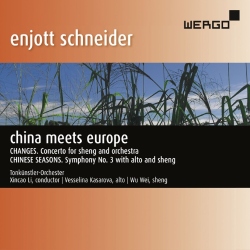
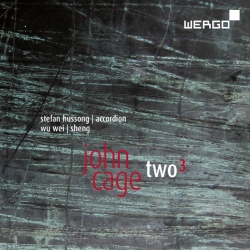
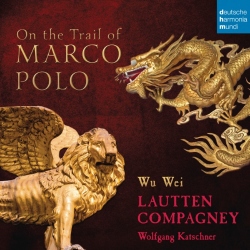

6
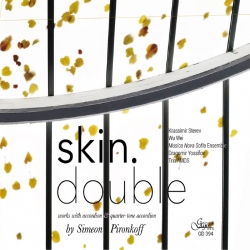
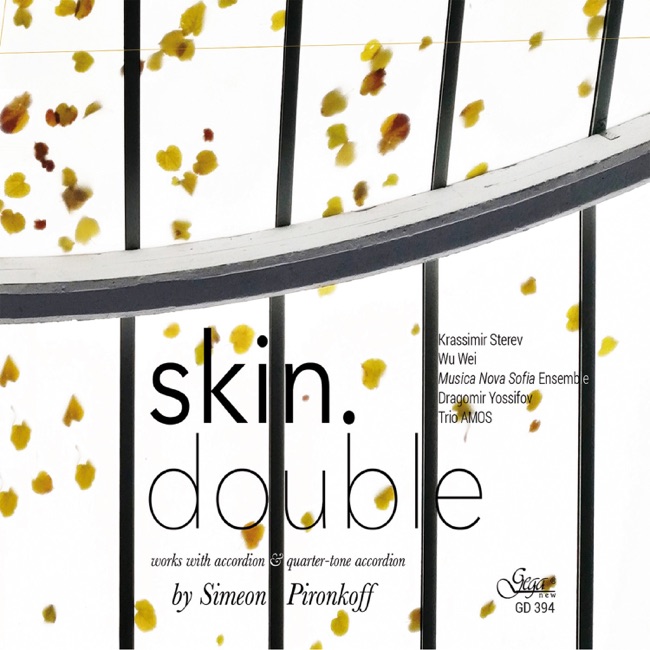
Skin. double
Skin.double, quintet for flute, clarinet, accordion, percussion, and violoncello
10:57
10
3:32
Recommend Playlist

Copyright Ⓒ 2013 Davinci Finger. All rights reseved
Service Terms & Policy