


Unsuk Chin
Released Album
Concerto
-
 March 8, 2024
 -
 March 1, 2024
 -
 December 22, 2023
 -
 December 15, 2023
 -
 November 17, 2023
 -
 August 19, 2014
Keyboard
-
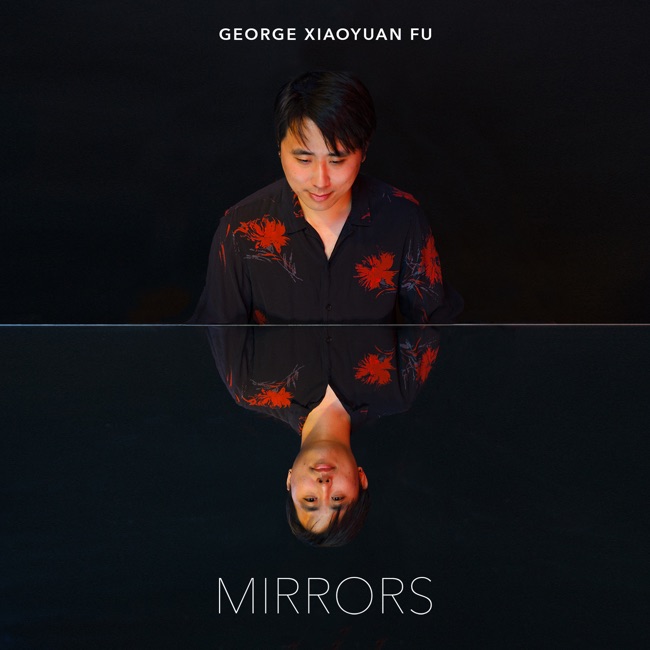 November 11, 2022
 -
 October 25, 2019
 -
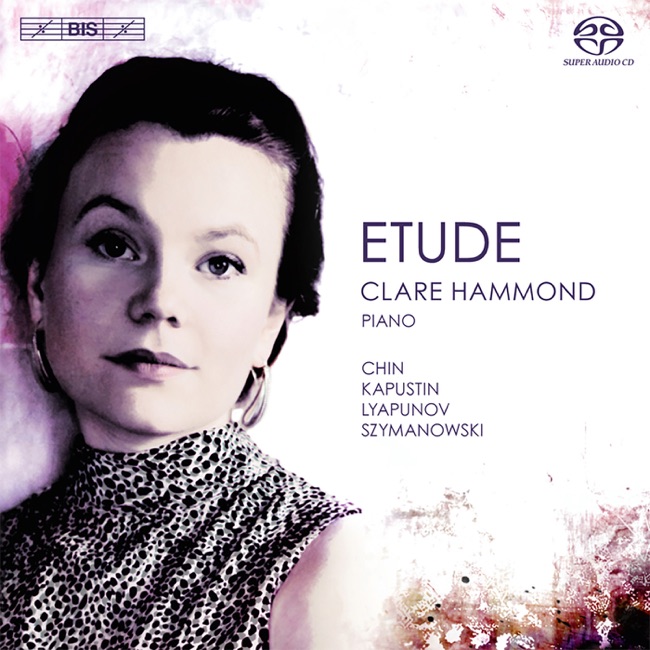 December, 2014
 -
 January 29, 2013
Vocal
-
 February 2, 2024
 -
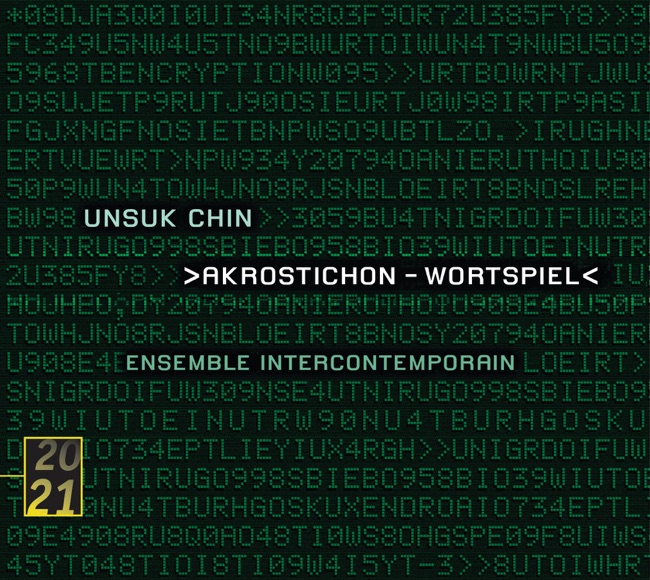 February 14, 2005
Orchestral
-
 March 22, 2024
Artist Info
Role:Composer PerformerCountry: South KoreaBirth:July 14, 1961 in Seoul, South KoreaPeriod:ContemporaryUnsuk Chin is a South Korean composer who was born on July 14, 1961, in Seoul. She grew up in a family that was not particularly musical, but her parents recognized her talent and encouraged her to pursue music. Chin began studying piano at the age of six and later took up the flute. She attended the Seoul National University, where she studied composition with Sukhi Kang and earned her bachelor's degree in 1984. After completing her studies in Seoul, Chin moved to Germany to continue her education. She studied with György Ligeti at the Hochschule für Musik und Theater Hamburg from 1985 to 1986 and later with Hans Werner Henze at the Hochschule für Musik Köln from 1986 to 1988. During this time, she also attended the Darmstadt Summer Courses for New Music, where she was exposed to the latest developments in contemporary music. Chin's early works were heavily influenced by Ligeti, and she often used his techniques of micropolyphony and polyrhythm in her compositions. Her breakthrough work was the orchestral piece "Akrostichon-Wortspiel," which was commissioned by the Westdeutscher Rundfunk in 1991. The piece is based on a poem by the German writer Paul Celan and uses the letters of his name to create a musical code. "Akrostichon-Wortspiel" was widely praised for its originality and technical virtuosity and established Chin as one of the leading composers of her generation. Chin's subsequent works continued to explore new techniques and forms. In 1994, she composed "Xi," a concerto for bassoon and ensemble that uses extended techniques to create a wide range of sounds. The piece was commissioned by the Ensemble InterContemporain and has since become a staple of the contemporary bassoon repertoire. In 1996, Chin composed "Fantaisie mécanique," a work for piano and ensemble that uses prepared piano and other unconventional techniques to create a mechanical, robotic sound. Chin's most ambitious work to date is her opera "Alice in Wonderland," which was commissioned by the Bavarian State Opera and premiered in 2007. The opera is based on Lewis Carroll's classic children's book and features a libretto by David Henry Hwang. The score is highly complex and incorporates a wide range of musical styles, from Baroque to contemporary. The production was widely praised for its imaginative staging and innovative use of technology. Chin has received numerous awards and honors for her work, including the Grawemeyer Award for Music Composition in 2004 and the Arnold Schoenberg Prize in 2005. She has also been commissioned by many of the world's leading orchestras and ensembles, including the Berlin Philharmonic, the New York Philharmonic, and the London Sinfonietta. In addition to her work as a composer, Chin is also a respected teacher and mentor. She has taught at the Hochschule für Musik Köln, the University of California, San Diego, and the Seoul National University. Many of her former students have gone on to successful careers as composers and performers. Chin's music is characterized by its technical complexity and its ability to evoke a wide range of emotions and moods. She is known for her use of unconventional techniques and her willingness to experiment with new forms and styles. Her work has been described as "fascinating, challenging, and deeply rewarding" by critics and audiences alike. In conclusion, Unsuk Chin is a highly respected composer who has made significant contributions to the world of contemporary classical music.More....
Recent Artist Music













Recommend Playlist


Copyright Ⓒ 2013 Davinci Finger. All rights reseved
Service Terms & Policy