


Johann Sebastian Bach
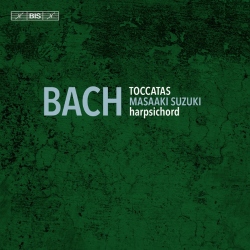
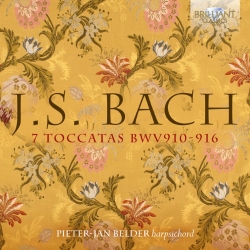
Toccata for keyboard in D major, BWV 912
Released Album
Recent Album
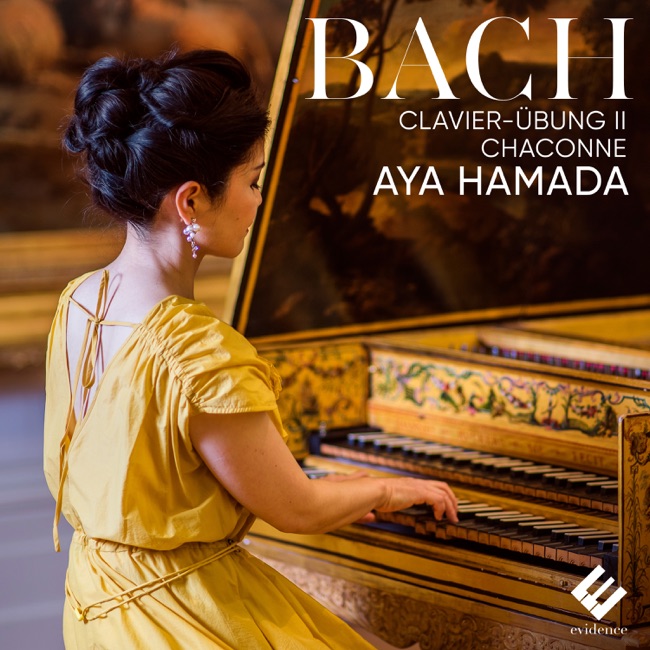
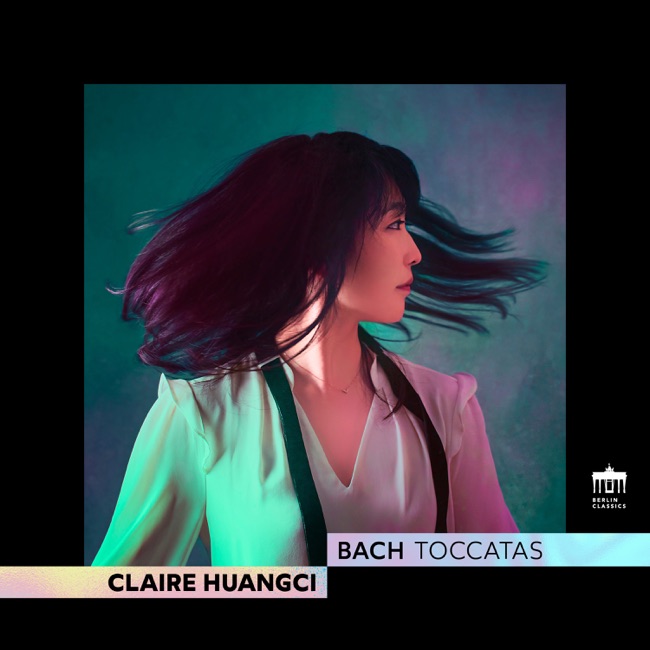
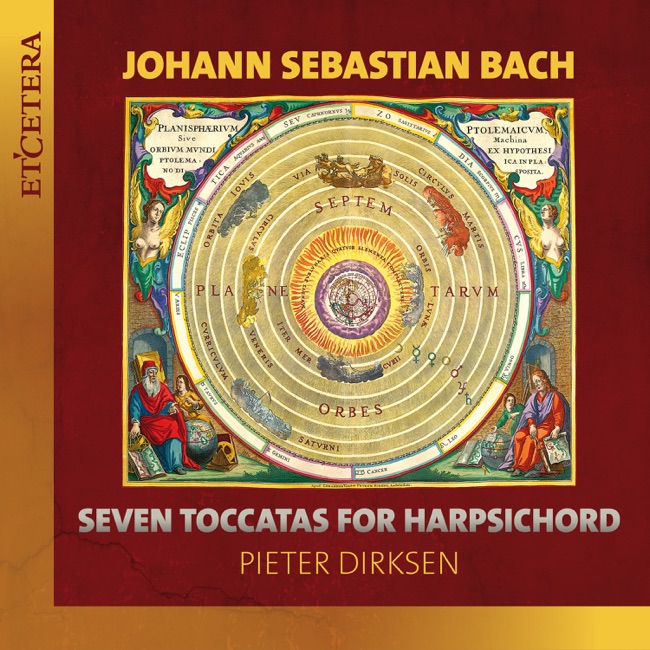
Featured Album
Works Info
Composer:Johann Sebastian BachGenre:KeyboardStyle:ToccataCompose Date:before 1710Publication Date:1890Average_duration:11:41Movement_count:3Movement ....Johann Sebastian Bach's Toccata for keyboard in D major, BWV 912, is a virtuosic work for solo keyboard. It was composed in the early 1700s, likely during Bach's time as court organist in Weimar. The piece is comprised of four movements: a toccata, an allemande, a courante, and a gigue. The toccata, which opens the work, is a highly improvisatory and virtuosic movement. It is characterized by its rapid, cascading arpeggios and its use of ornamentation, such as trills and mordents. The toccata also features frequent changes in texture and dynamics, creating a sense of drama and excitement. The second movement, the allemande, is a more subdued and introspective piece. It is characterized by its flowing, dance-like rhythms and its use of counterpoint, with multiple melodic lines weaving in and out of each other. The courante, the third movement, is a lively and energetic dance. It is characterized by its driving rhythms and its use of syncopation, with accents falling on unexpected beats. The final movement, the gigue, is a fast and lively dance in compound meter. It is characterized by its playful, dance-like rhythms and its use of imitative counterpoint, with different melodic lines echoing and imitating each other. Overall, Bach's Toccata for keyboard in D major, BWV 912, is a virtuosic and highly expressive work for solo keyboard. Its use of improvisation, ornamentation, and counterpoint, as well as its dramatic changes in texture and dynamics, make it a quintessential example of Bach's keyboard writing.More....
Works Music
Released Music
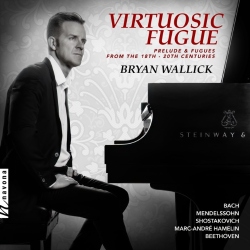
4
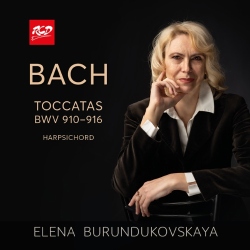
2:47
6
11:36
7
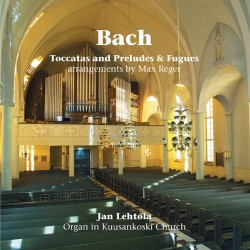
14:54
8
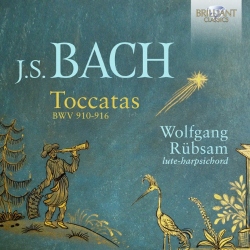
14:30
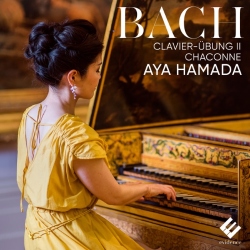
10
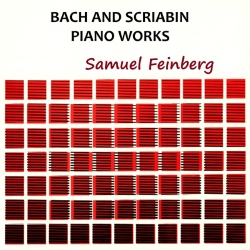
9:23
Featured Music
1
10:43
2
10:17
Main Perform Artists
Piano
Piano
Harpsichord
Piano
Harpsichord
Piano
Piano
Harpsichord