


Paul Sacher
Released Album
Concerto
-
-
 January 12, 2023
 -
 November 4, 2021
 -
 September 25, 2021
 -
 October 9, 2020
 -
 May 17, 2019
Orchestral
-
 October 5, 2018
 -
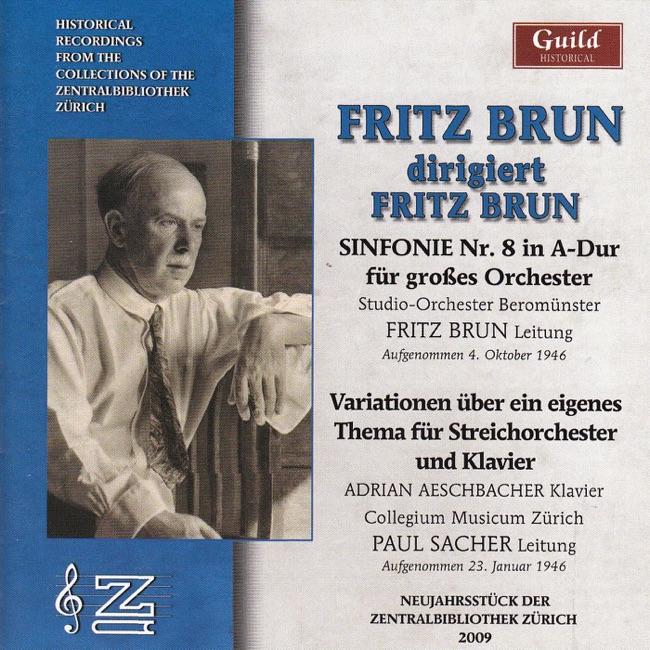 July 14, 2009
 -
Symphony
-
 September 4, 2020
 -
 June 7, 2019
Vocal
-
 May 11, 2018
Artist Info
Role:Conductor PerformerPeriod:ModernGenre:ConcertoPaul Sacher was a Swiss conductor, composer, and patron of the arts who played a significant role in the development of classical music in the 20th century. Born on April 28, 1906, in Basel, Switzerland, Sacher was the son of a wealthy industrialist who owned a chemical company. His father's wealth allowed him to pursue his passion for music and become one of the most influential figures in the classical music world. Sacher's interest in music began at an early age, and he started playing the violin when he was just six years old. He received his first music lessons from his mother, who was a pianist. Later, he studied with the renowned violinist and composer Hans Wessely. Sacher's talent as a musician was evident from a young age, and he quickly became known for his exceptional skills as a violinist. In 1924, Sacher enrolled at the Basel Conservatory, where he studied composition with Hans Huber and conducting with Felix Weingartner. He also studied the violin with Adolf Busch, one of the most famous violinists of the time. Sacher's studies at the conservatory were interrupted by his father's death in 1925, which forced him to take over the family business. However, he continued to pursue his musical interests and remained active as a performer and conductor. In 1926, Sacher founded the Basel Chamber Orchestra, which quickly gained a reputation as one of the finest chamber orchestras in Europe. The orchestra performed a wide range of music, from Baroque to contemporary, and collaborated with many of the leading composers of the time, including Igor Stravinsky, Béla Bartók, and Paul Hindemith. Sacher's work as a conductor and patron of the arts brought him into contact with many of the leading composers of the time, and he became a close friend and collaborator of many of them. He commissioned numerous works from composers such as Stravinsky, Bartók, Hindemith, and Benjamin Britten, and premiered many of their works with the Basel Chamber Orchestra. One of Sacher's most significant contributions to the world of classical music was his commissioning of Stravinsky's "Symphony of Psalms" in 1930. The work was a departure from Stravinsky's earlier neoclassical style and marked a new phase in his career. Sacher's support and encouragement were instrumental in the creation of this groundbreaking work, which has since become one of the most celebrated choral works of the 20th century. Sacher's work as a conductor and patron of the arts continued throughout his life, and he remained active in the classical music world until his death in 1999. He conducted many of the world's leading orchestras, including the Berlin Philharmonic, the Vienna Philharmonic, and the London Symphony Orchestra. He also served as the director of the Lucerne Festival from 1957 to 1996, where he worked with many of the leading composers and performers of the time. Sacher's contributions to the world of classical music were recognized with numerous awards and honors throughout his life. In 1966, he was awarded the Ernst von Siemens Music Prize, one of the most prestigious awards in classical music. He was also awarded the Grand Cross of the Order of Merit of the Federal Republic of Germany in 1976 and the Order of Merit of the Italian Republic in 1981. In addition to his work as a conductor and patron of the arts, Sacher was also a composer.More....
Recent Artist Music
1
5:8
2
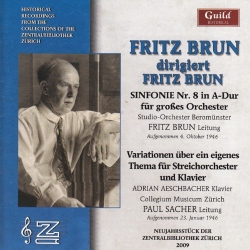
Variations on a custom theme
8. Variation: Allegro (Excerpt) (ungereinigte 78er-Schellackplatte)
1:10
4
10:3
5
10:30

10
7:39

12

Tomaso Albinoni
Concerto in G major for Recorder, strings and continuo: 3. Presto
2:14

Copyright Ⓒ 2013 Davinci Finger. All rights reseved
Service Terms & Policy