


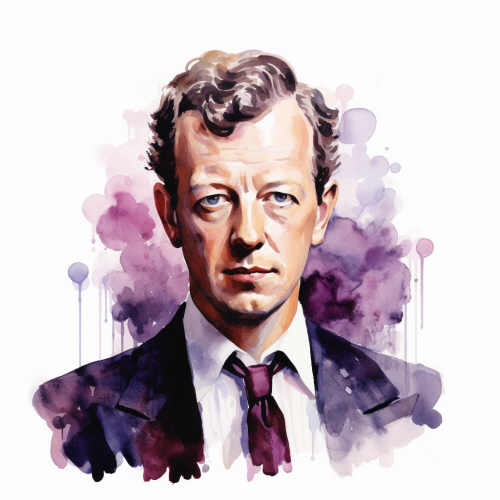
Benjamin Britten
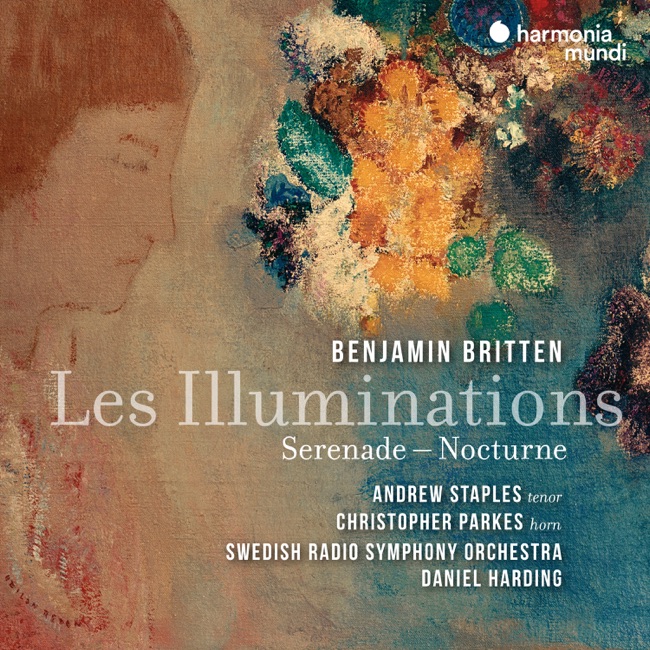
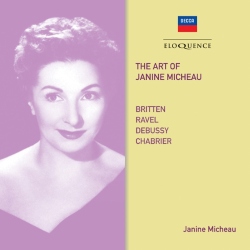
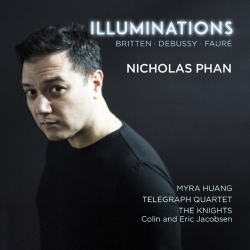
Les illuminations, Op. 18
Released Album
Recent Album
-
-
-
-
 Trio GiluDecember 22, 2022
 -
-
-
-

-
-
-

-

Featured Album

Works Info
Composer:Benjamin BrittenGenre:VocalStyle:Vocal MusicCompose Date:1939Average_duration:22:26Movement_count:10Movement ....Les illuminations, Op. 18 is a song cycle composed by Benjamin Britten in 1939. The work is based on a collection of poems by Arthur Rimbaud, which Britten translated into English himself. The premiere of the work was given by the soprano Sophie Wyss and the Boyd Neel Orchestra, conducted by Britten himself, on 10 October 1940 at the Wigmore Hall in London. The work consists of nine movements, each of which sets a different poem by Rimbaud. The movements are titled "Fanfare", "Villes", "Phrase", "Antique", "Royauté", "Marine", "Interlude", "Being Beauteous", and "Départ". The work is scored for soprano soloist and string orchestra, and has a duration of approximately 25 minutes. The music of Les illuminations is characterized by its vivid and colorful orchestration, which reflects the imagery and emotions of Rimbaud's poetry. Britten's use of dissonance and unconventional harmonies creates a sense of tension and unease, while his use of rhythmic and melodic motifs creates a sense of unity and coherence throughout the work. The first movement, "Fanfare", sets the tone for the work with its bright and energetic opening. The second movement, "Villes", is a depiction of the city, with its bustling streets and noisy crowds. The third movement, "Phrase", is a more introspective and lyrical movement, with a haunting melody that is passed between the soprano and the strings. The fourth movement, "Antique", is a setting of Rimbaud's poem "Les Corbeaux", which describes a flock of crows flying over a ruined city. The music is dark and brooding, with a sense of foreboding and impending doom. The fifth movement, "Royauté", is a celebration of royalty and power, with a regal melody that is passed between the soprano and the strings. The sixth movement, "Marine", is a depiction of the sea, with its ebb and flow and its ever-changing moods. The seventh movement, "Interlude", is a brief instrumental interlude that serves as a transition between the two halves of the work. The eighth movement, "Being Beauteous", is a setting of Rimbaud's poem "Being Beauteous", which describes the beauty of nature and the joy of being alive. The music is joyful and exuberant, with a sense of wonder and awe. The final movement, "Départ", is a setting of Rimbaud's poem "Au revoir", which describes the poet's departure from the world. The music is somber and reflective, with a sense of resignation and acceptance. Overall, Les illuminations is a powerful and evocative work that showcases Britten's skill as a composer and his ability to capture the essence of Rimbaud's poetry through music.More....
Works Music
Released Music


4

2:2

Featured Music




Main Perform Artists
Soprano (Vocal)
Tenor Vocal
Soprano Vocal
Tenor Vocal