


Alessandro Scarlatti
Released Album
Opera
-
 May 12, 2023
 -
 January 24, 2023
 -
 January 10, 2023
 -
 October 21, 2022
 -
 May 17, 2022
 -
 April 7, 2022
Choral
-
 October 6, 2023
 -
-
 November 19, 2021
 -
 May 21, 2021
 -
 November 13, 2020
 -
 July 24, 2020
Vocal
-
 March 10, 2023
 -
 October 7, 2022
 -
 June 26, 2021
 -
-
 May 28, 2021
 -
Concerto
-
 October 6, 2023
 -
 December 8, 2017
 -
 June 30, 2017
 -
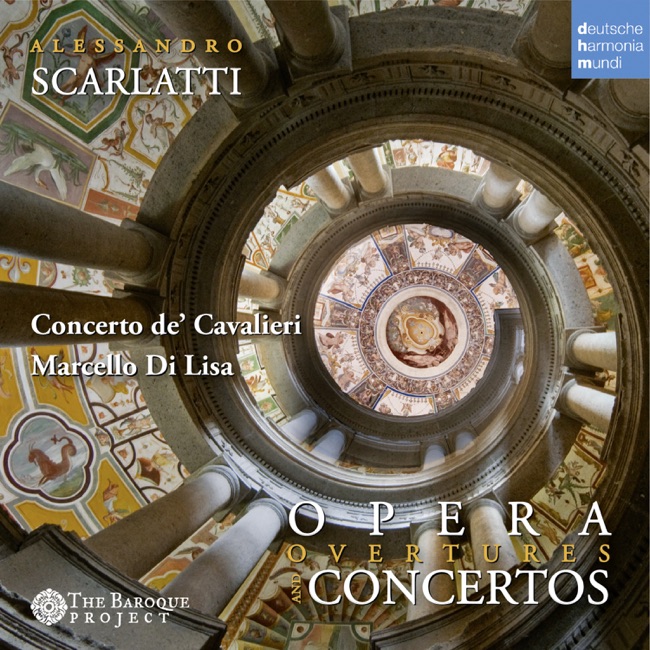 November 18, 2016
 -
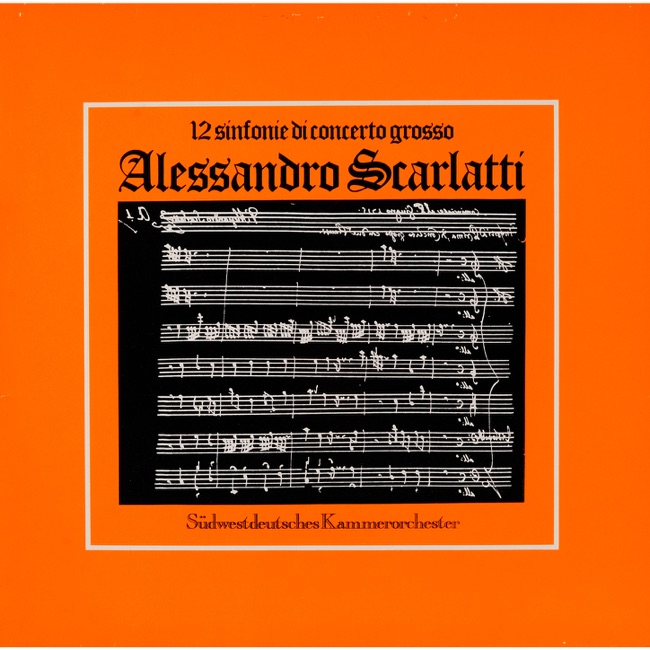 June 19, 2015
 -
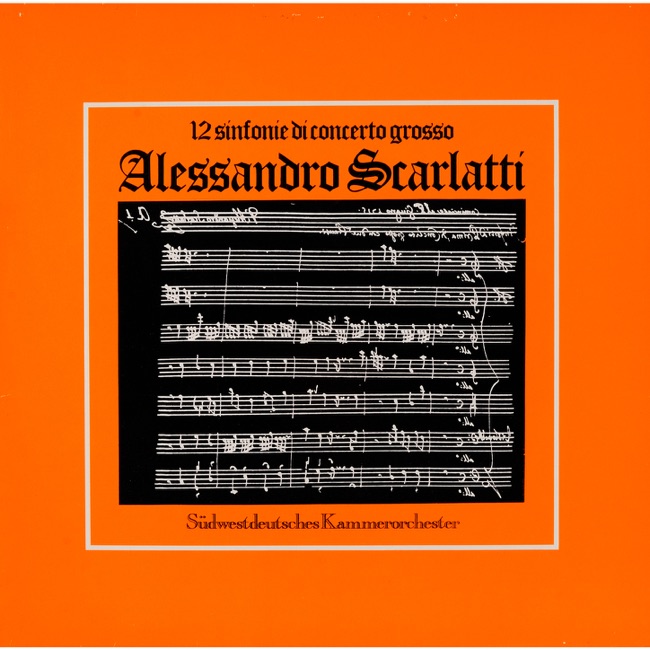 June 19, 2015
Artist Info
Role:ComposerCountry: ItalyBirth:May 2, 1660 in Palermo, Sicily, ItalyDeath:October 24, 1725 in Naples, ItalyPeriod:BaroqueGenre:ChoralConcertoOperaVocalAlessandro Scarlatti was a prominent Italian composer of the Baroque era, known for his contributions to the development of opera and instrumental music. Born on May 2, 1660, in Palermo, Sicily, Scarlatti was the son of a musician and composer, Francesco Scarlatti. His father was a skilled musician who served as the maestro di cappella at the Cathedral of Palermo, and he played a significant role in shaping Alessandro's musical education. Scarlatti's early years were spent in Palermo, where he received his first musical training from his father. He showed a natural talent for music and quickly became proficient in playing the harpsichord and the organ. At the age of 16, Scarlatti moved to Rome to study music under the tutelage of Giacomo Carissimi, a renowned composer of the time. Under Carissimi's guidance, Scarlatti honed his skills in composition and gained a deep understanding of the principles of Baroque music. In 1684, Scarlatti was appointed as the maestro di cappella at the Basilica di Santa Maria Maggiore in Rome, a position he held for the next ten years. During this time, he composed a number of sacred works, including oratorios, cantatas, and masses. His music was highly regarded for its expressive melodies, intricate harmonies, and dramatic flair. In 1688, Scarlatti composed his first opera, "Gli equivoci nel sembiante," which was performed at the Teatro Capranica in Rome. The opera was a success, and Scarlatti went on to compose more than 100 operas over the course of his career. His operas were known for their lyrical beauty, inventive orchestration, and dramatic intensity. In 1702, Scarlatti was appointed as the maestro di cappella at the royal chapel in Naples, a position he held until his death. During his time in Naples, Scarlatti continued to compose operas, as well as instrumental music, including sonatas and concertos. He also served as a teacher and mentor to a number of young musicians, including his son, Domenico Scarlatti, who went on to become a renowned composer and pianist in his own right. One of Scarlatti's most famous works is his Stabat Mater, a sacred choral work that was composed in 1723. The Stabat Mater is a setting of the 13th-century Latin hymn that describes the sorrow of the Virgin Mary at the crucifixion of Jesus. Scarlatti's setting is a masterpiece of Baroque music, with its soaring melodies, rich harmonies, and powerful emotional impact. Another notable work by Scarlatti is his opera "Mitridate Eupatore," which was composed in 1707. The opera tells the story of the ancient king of Pontus, who is betrayed by his own sons and forced to flee his kingdom. The opera is notable for its complex plot, vivid characterizations, and virtuosic vocal writing. Scarlatti's music had a profound influence on the development of Baroque music, particularly in the areas of opera and instrumental music. His works were highly regarded by his contemporaries, and his legacy continues to be felt in the music of later composers, including Handel and Bach. Alessandro Scarlatti died on October 22, 1725, in Naples, Italy. He left behind a rich legacy of music that continues to be celebrated and performed to this day. His contributions to the development of Baroque music have earned him a place among the greatest composers of his time, and his music remains a testament to the enduring power of the human spirit.More....
Recent Artist Music
1
The Santissima Annunziata
Stesa a pie' del tronco amaro... Mortali a voi consegno... Nella patria dei contenti
8:51
5
1:54
6
3:47
7
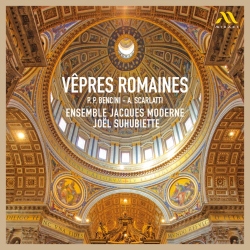
Laudate pueri Dominum No. 2 (Psalm 112)
Laudate pueri Dominum (Psaume 112) pour 5 soli, choeur et basse continue
13:1
12

3:38

Works Highlight






Related Artists
Copyright Ⓒ 2013 Davinci Finger. All rights reseved
Service Terms & Policy