


Giacomo Carissimi
Released Album
Vocal
-
 June 22, 2023
 -
 September 26, 2021
 -
 June 26, 2021
 -
-
 November 20, 2020
 -
Choral
-
 April 14, 2023
 -
 April 7, 2023
 -
 March 4, 2023
 -
 February 9, 2022
 -
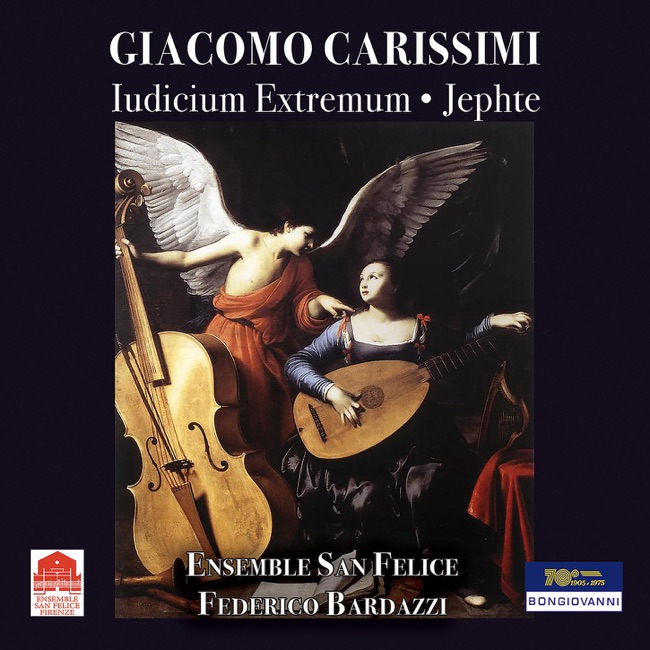 March 13, 2020
 -
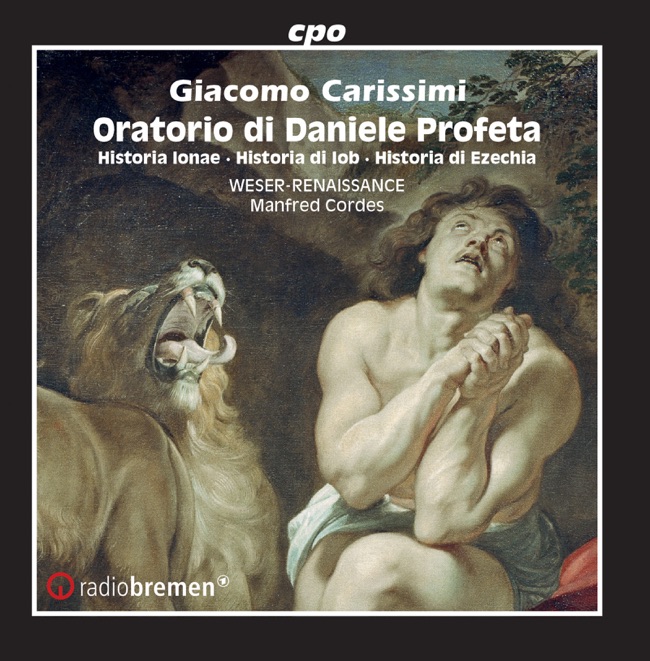 February 2, 2018
Miscellaneous
-
 June 3, 2004
Artist Info
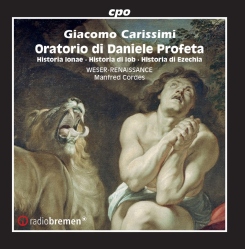
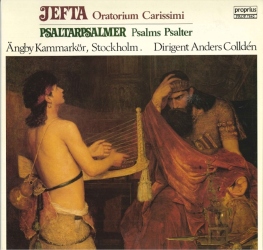
Role:ComposerCountry: ItalyBirth:April 18, 1605 in Marini, ItalyDeath:January 12, 1674 in Rome, ItalyPeriod:BaroqueGenre:ChoralVocalGiacomo Carissimi was a prominent Italian composer of the Baroque era, known for his contributions to the development of oratorio and opera. He was born on April 18, 1605, in Marino, a small town near Rome. His father, Amico Carissimi, was a tailor, and his mother, Livia Boccardi, was a homemaker. Giacomo was the youngest of four children, and his family was not particularly musical. However, he showed an early aptitude for music and began studying with a local organist at the age of 12. In 1623, Carissimi moved to Rome to study music at the Collegio Germanico, a seminary for German priests. He spent the next several years honing his skills as a composer and organist, and he also became proficient in playing the harpsichord and viola da gamba. In 1628, he was appointed maestro di cappella at the church of Sant'Apollinare in Rome, a position he held for the rest of his life. Carissimi's early works were primarily sacred vocal music, including motets, madrigals, and hymns. He also composed a number of secular songs and instrumental pieces, but these have not survived. His first published work was a collection of motets entitled "Sacri concerti" (Sacred Concertos), which was published in 1630. This collection was well-received and helped establish Carissimi's reputation as a composer. In the 1630s, Carissimi began to experiment with a new form of vocal music called the oratorio. Oratorios were similar to operas in that they featured solo singers, choruses, and instrumental accompaniment, but they were usually based on religious subjects and were performed in a concert setting rather than on stage. Carissimi's oratorios were notable for their dramatic intensity and emotional power, and they quickly became popular throughout Italy. One of Carissimi's most famous oratorios is "Jephte," which was composed in the 1640s. The work tells the story of Jephthah, a biblical figure who makes a rash vow to sacrifice the first thing he sees upon returning home from battle, only to discover that it is his own daughter. The oratorio is a powerful exploration of the themes of sacrifice, redemption, and the human condition, and it remains a staple of the choral repertoire to this day. Carissimi also composed a number of operas, although these were less successful than his oratorios. His most famous opera is "Gli equivoci nel sembiante" (The Deceptions in Appearance), which was first performed in 1652. The opera is a comedy of errors that revolves around mistaken identities and romantic entanglements, and it features some of Carissimi's most charming and lighthearted music. In addition to his work as a composer, Carissimi was also a respected teacher and mentor. He trained a number of talented musicians, including the composer Marc-Antoine Charpentier, who studied with him in Rome in the 1660s. Carissimi's influence can be seen in Charpentier's own works, which often feature the same dramatic intensity and emotional power that characterize Carissimi's music. Carissimi died on January 12, 1674, in Rome, at the age of 68. He left behind a rich legacy of music that continues to be performed and admired to this day. His contributions to the development of oratorio and opera helped shape the course of Western music, and his influence can be heard in the works of countless composers who came after him.More....
Recent Artist Music
9
2:15
11
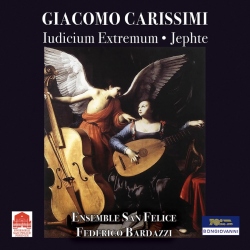
Judicium Extremum
Sinfonia, Propheta Aspiciebam in visione noctis, Christus Ite, Ite Angeli mei
2:1



Copyright Ⓒ 2013 Davinci Finger. All rights reseved
Service Terms & Policy