Giacomo Carissimi
Salve, puellule
Released Album
Recent Album
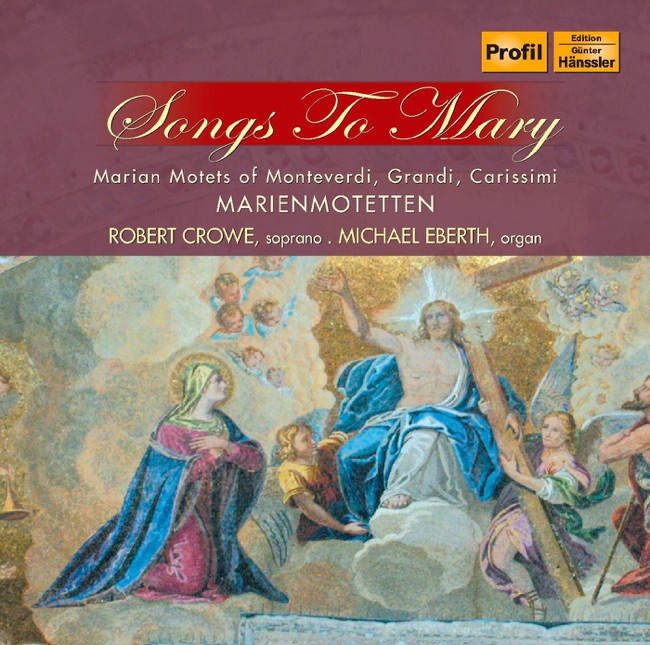

Featured Album
Works Info
Composer:Giacomo CarissimiGenre:VocalStyle:Vocal MusicAverage_duration:9:44Giacomo Carissimi was an Italian composer of the Baroque era, known for his sacred music and oratorios. One of his most famous works is "Salve, puellule," a sacred motet for soprano, alto, and continuo. The composition of "Salve, puellule" is believed to have taken place in the mid-17th century, during Carissimi's time as maestro di cappella at the church of Sant'Apollinare in Rome. The piece is written in Latin and is dedicated to the Virgin Mary. The premiere of "Salve, puellule" is not known, but it is likely that it was performed in the church of Sant'Apollinare or another Roman church during Carissimi's tenure there. The piece has since become a staple of the sacred music repertoire and is frequently performed in concerts and church services. "Salve, puellule" is divided into three movements. The first movement is a duet for soprano and alto, with the two voices intertwining in a delicate and expressive melody. The second movement is a solo for soprano, with the voice soaring over a simple continuo accompaniment. The final movement is a duet for soprano and alto, with the voices coming together in a joyful and celebratory conclusion. The characteristics of "Salve, puellule" reflect Carissimi's mastery of the Baroque style. The piece is characterized by its expressive melodies, intricate harmonies, and use of counterpoint. The vocal lines are highly ornamented, with trills, runs, and other embellishments adding to the beauty and complexity of the music. The use of continuo accompaniment, with a bass line and chordal harmonies, is also typical of Baroque music. Overall, "Salve, puellule" is a beautiful and moving example of Carissimi's sacred music. Its expressive melodies and intricate harmonies make it a beloved piece of the Baroque repertoire, and it continues to be performed and enjoyed by audiences around the world.More....