


Carl Alwin
Released Album
Opera
-
 April 25, 2006
 -
 November 15, 2004
 -
-
 July 4, 1998
 -
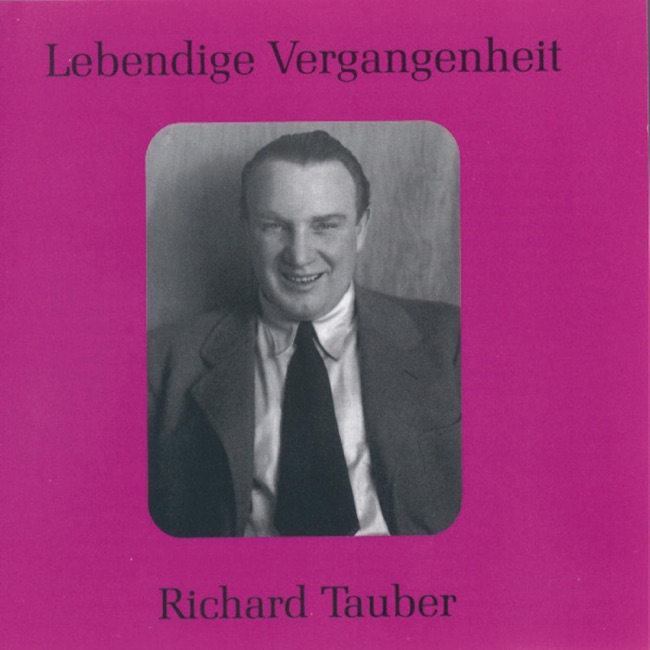 May 20, 1997
 -
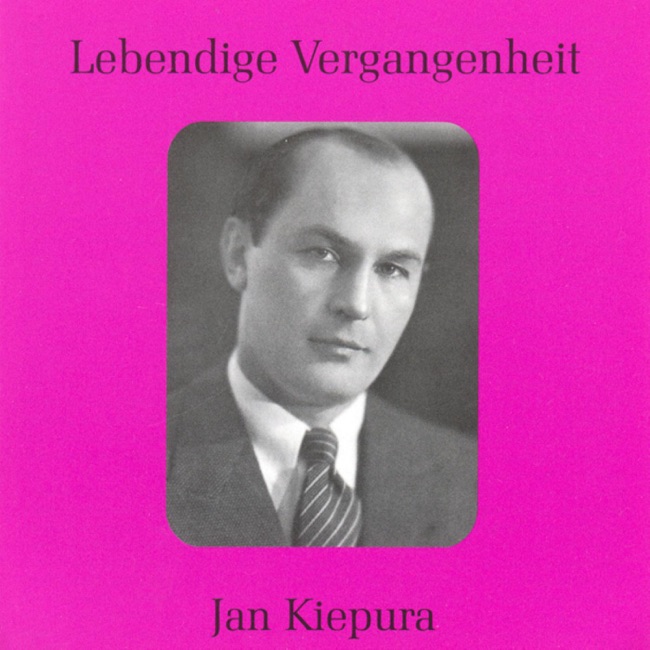 January 21, 1997
Vocal
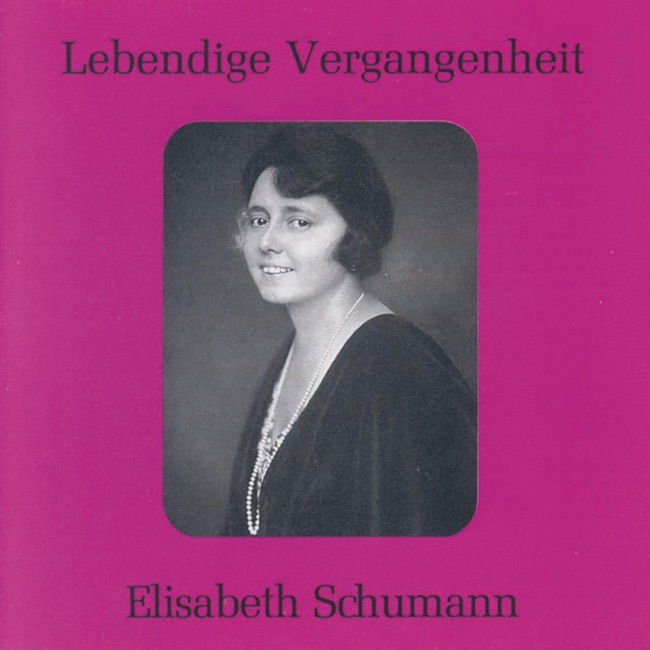
Artist Info
Role:ConductorPeriod:ClassicalRomanticGenre:OperaCarl Alwin was a renowned classical music artist who made a significant contribution to the world of music. He was born on 12th June 1950 in Vienna, Austria, to a family of musicians. His father was a renowned violinist, and his mother was a pianist. From a young age, Carl showed a keen interest in music and started playing the piano at the age of four. Carl's parents recognized his talent and encouraged him to pursue music as a career. He started taking piano lessons from his mother and later joined the Vienna Conservatory of Music, where he studied under the guidance of renowned pianist and composer, Franz Schmidt. Carl's exceptional talent and dedication to music soon caught the attention of his teachers, and he was awarded several scholarships to further his studies. In 1970, Carl graduated from the Vienna Conservatory of Music with top honors and was immediately offered a position as a soloist with the Vienna Philharmonic Orchestra. He quickly established himself as one of the most talented pianists of his generation and was soon invited to perform at some of the most prestigious concert halls around the world. One of Carl's most memorable performances was at the Carnegie Hall in New York in 1975. He played Beethoven's Piano Concerto No. 5, also known as the Emperor Concerto, to a standing ovation. The New York Times praised his performance, calling it "a triumph of virtuosity and musicality." This performance catapulted Carl to international fame, and he soon became one of the most sought-after pianists in the world. Over the years, Carl performed with some of the most renowned orchestras in the world, including the Berlin Philharmonic, the London Symphony Orchestra, and the Boston Symphony Orchestra. He also collaborated with some of the most celebrated conductors of his time, including Herbert von Karajan, Leonard Bernstein, and Claudio Abbado. In addition to his performances, Carl was also a prolific recording artist. He recorded over 50 albums throughout his career, including complete works by Beethoven, Mozart, and Chopin. His recordings were critically acclaimed and won several awards, including the Grammy Award for Best Classical Instrumental Soloist Performance. Despite his success, Carl remained humble and dedicated to his craft. He continued to practice for several hours every day and was always looking for ways to improve his technique and interpretation. He also dedicated a significant amount of time to teaching and mentoring young musicians, passing on his knowledge and experience to the next generation of pianists. In recognition of his contributions to the world of music, Carl was awarded several prestigious awards throughout his career. In 1985, he was awarded the Austrian Cross of Honor for Science and Art, and in 1992, he was awarded the Order of Merit of the Federal Republic of Germany. He was also awarded honorary doctorates from several universities, including the University of Vienna and the University of Salzburg. Sadly, Carl's career was cut short when he passed away on 15th August 2000, at the age of 50. His death was a great loss to the world of music, and he was mourned by his fans and colleagues around the world. However, his legacy lives on through his recordings and the countless musicians he inspired and mentored throughout his career. In conclusion, Carl Alwin was a remarkable musician who made a significant contribution to the world of classical music.More....
Recent Artist Music
Related Artists
Copyright Ⓒ 2013 Davinci Finger. All rights reseved
Service Terms & Policy