


Eugen d'Albert
Released Album
Opera
-
 January 15, 2021
 -
 April 3, 2015
 -
 August 15, 2013
 -
 June 26, 2012
 -
 May 10, 2011
 -
 March 29, 2011
Keyboard
-
-
 August 30, 2019
 -
 February 16, 2018
 -
 January 1, 2018
 -
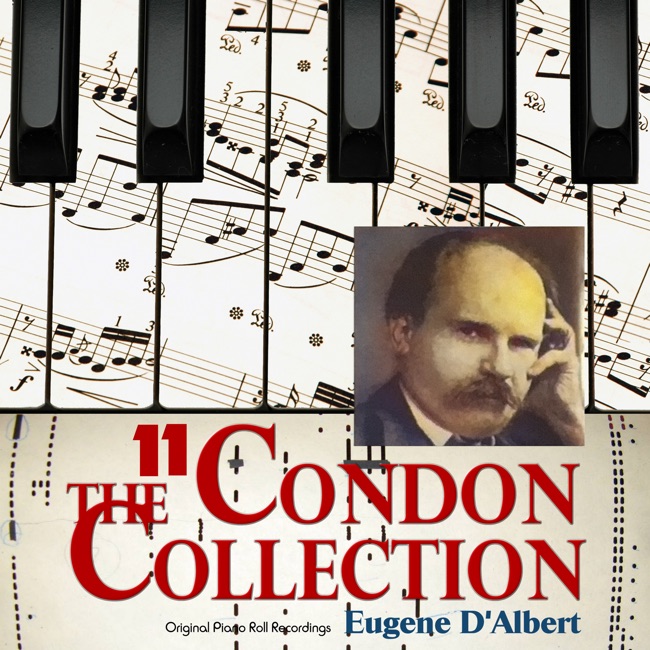 October 6, 2017
 -
 January 6, 2017
Concerto
-
 January 8, 2016
 -
 January 1, 2016
 -
-
-
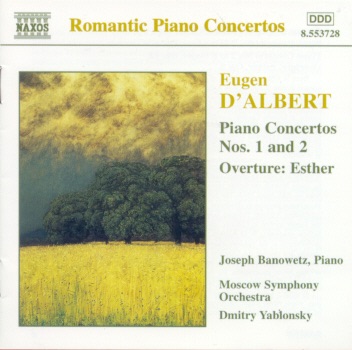 May 26, 1998
 -
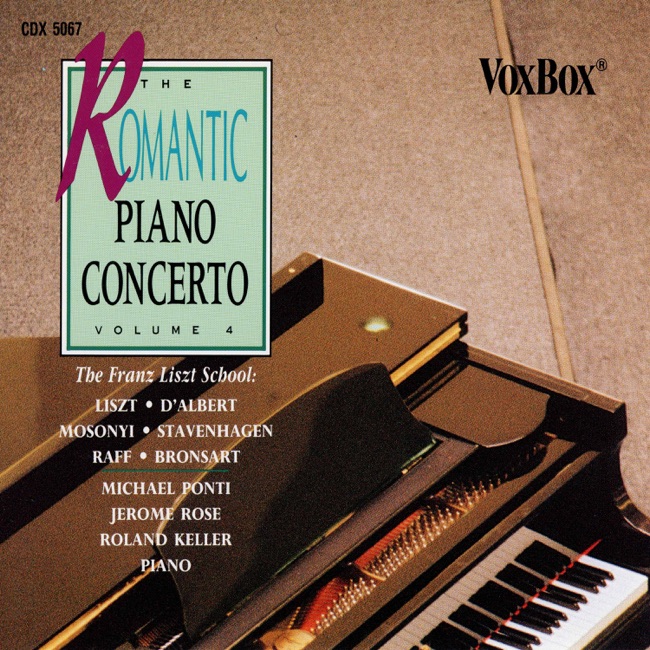 November 4, 1992
Orchestral
-
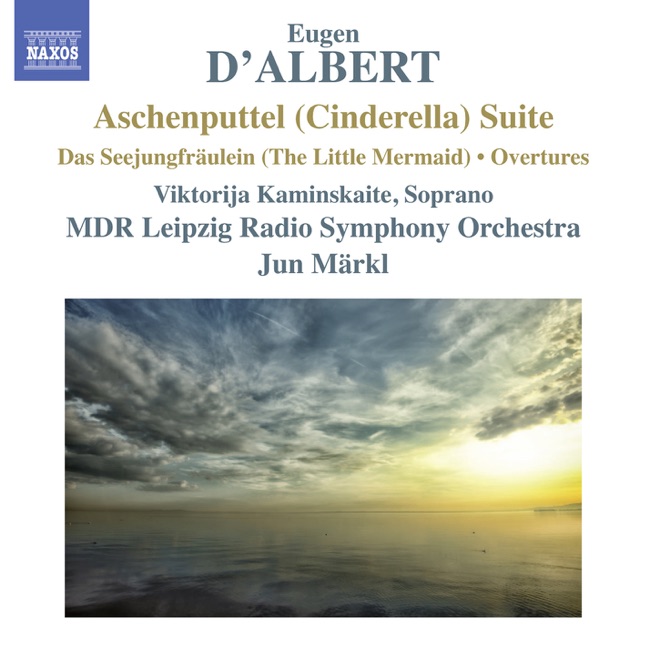 March 31, 2014
Artist Info
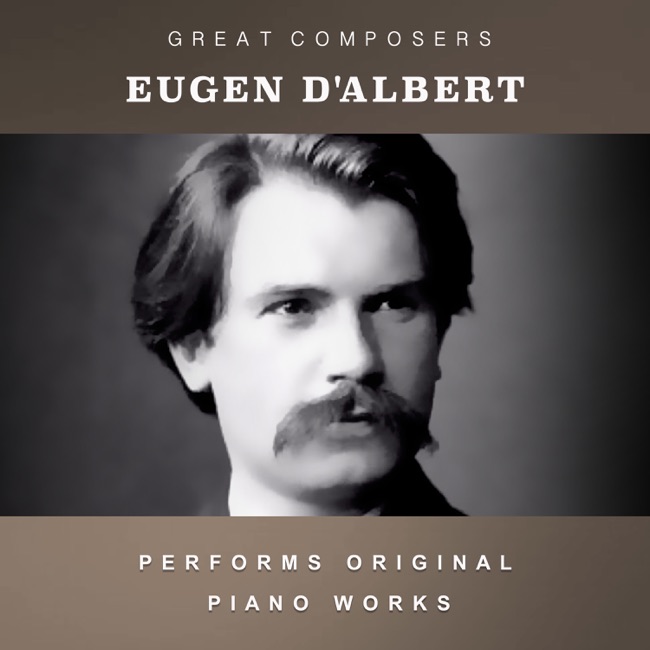
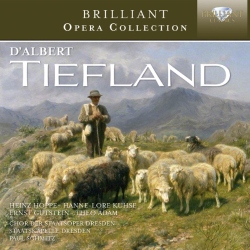
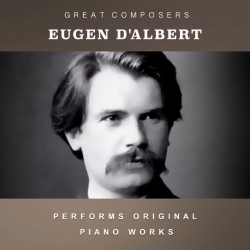
Role:Composer ConductorCountry: GermanyBirth:April 10, 1864 in Glasgow, ScotlandDeath:March 3, 1932 in Riga, LatviaPeriod:ModernGenre:ConcertoConcertoKeyboardKeyboardOperaOperaEugen d'Albert was a German composer and pianist who was born on April 10, 1864, in Glasgow, Scotland. His father was a French cellist and his mother was a Scottish pianist. Eugen d'Albert was the youngest of their three children. His parents were both musicians, and they recognized their son's musical talent at an early age. Eugen d'Albert began playing the piano when he was four years old, and he gave his first public performance at the age of seven. In 1878, Eugen d'Albert's family moved to Frankfurt, Germany, where he continued his musical education. He studied piano with James Kwast and composition with Johann Nepomuk Hummel. In 1881, he entered the Hoch Conservatory in Frankfurt, where he studied piano with Clara Schumann and composition with Joachim Raff. Eugen d'Albert was a gifted student, and he won several prizes and awards during his time at the conservatory. After completing his studies at the Hoch Conservatory, Eugen d'Albert began his career as a concert pianist. He toured extensively throughout Europe, and he was known for his virtuosic performances of works by Beethoven, Chopin, and Liszt. In addition to his career as a pianist, Eugen d'Albert also began to compose music. His early works were influenced by the Romantic composers of the time, such as Brahms and Wagner. In 1891, Eugen d'Albert married Teresa Carreño, a Venezuelan pianist and composer. The couple had a daughter, Eugenia, who also became a pianist. Eugen d'Albert and Teresa Carreño divorced in 1897, and Eugen d'Albert married his second wife, Hermine Finck, in 1901. Eugen d'Albert's career as a composer began to take off in the early 1900s. He wrote several operas, including "Tiefland" (1903), which became one of his most popular works. "Tiefland" is a romantic opera set in the Pyrenees Mountains, and it tells the story of a love triangle between a shepherd, a wealthy landowner, and a gypsy woman. The opera was a critical and commercial success, and it has remained a staple of the operatic repertoire. In addition to his operas, Eugen d'Albert also wrote several orchestral works, including symphonies, concertos, and tone poems. His Symphony No. 1 in F major (1899) was well-received by audiences and critics alike, and it demonstrated his skill as a composer of large-scale works. Eugen d'Albert's Piano Concerto No. 2 in E major (1900) is also a popular work, and it showcases his virtuosic piano writing. Eugen d'Albert's music was influenced by a variety of styles and genres. He was interested in the music of the French Impressionists, such as Debussy and Ravel, and he incorporated elements of their style into his own compositions. He was also influenced by the music of Richard Strauss, and he wrote several works that were inspired by Strauss's tone poems. Eugen d'Albert continued to compose and perform throughout his life. He was appointed the director of the Hoch Conservatory in Frankfurt in 1907, and he held that position until 1914. During World War I, Eugen d'Albert moved to Switzerland, where he continued to compose and perform. He returned to Germany after the war, and he became a Swiss citizen in 1920. Eugen d'Albert's later works were less well-received than his earlier ones.More....
Recent Artist Music
10
4:56
14

3:46
Copyright Ⓒ 2013 Davinci Finger. All rights reseved
Service Terms & Policy