


Johann Sebastian Bach
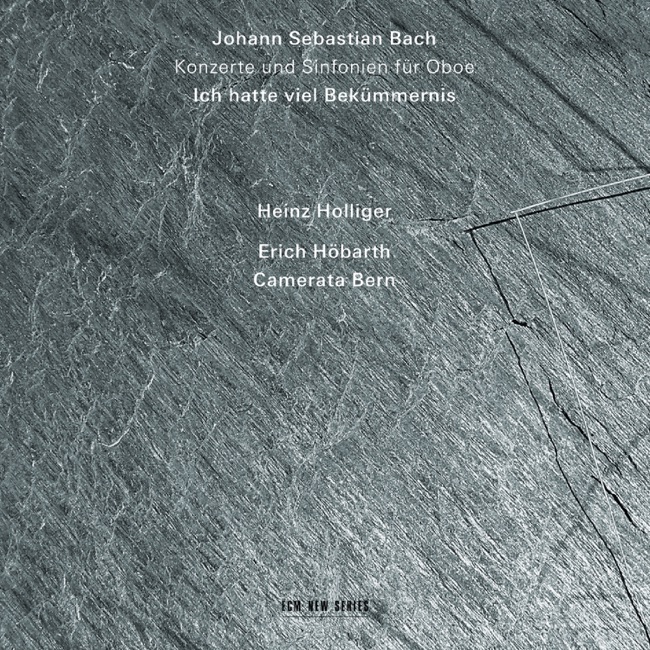
Cantata No. 21, "Ich hatte viel Bekümmernis", BWV 21
Released Album
Recent Album
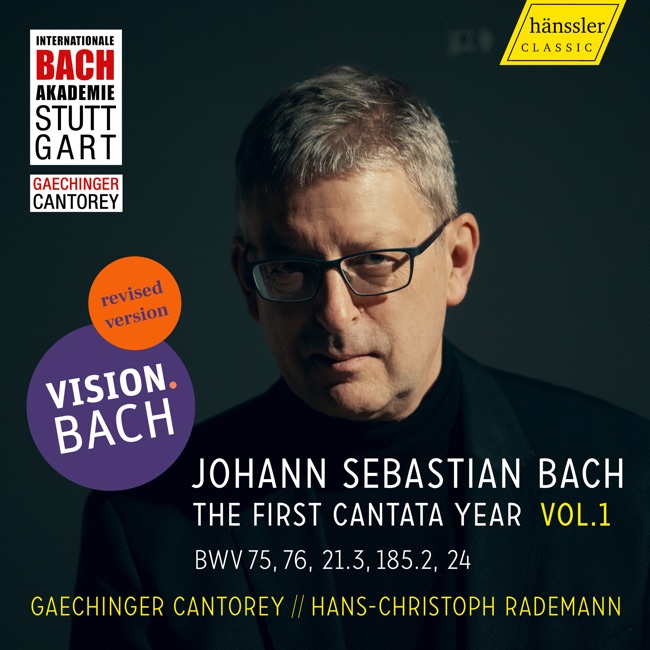
Featured Album
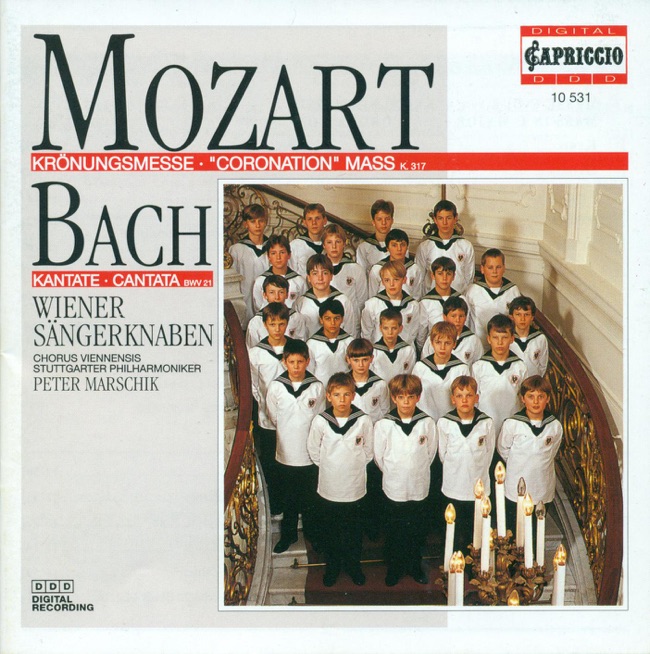
Works Info
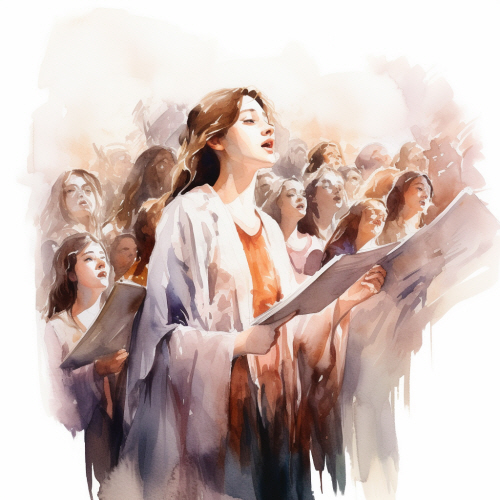
Composer:Johann Sebastian BachGenre:ChoralStyle:CantataCompose Date:Jun 17, 1714Publication Date:1855First Performance:Jun 17, 1714Average_duration:39:36Movement_count:11Movement ....Johann Sebastian Bach composed Cantata No. 21, Ich hatte viel Bekümmernis, BWV 21, in Weimar in 1714. The cantata premiered on the third Sunday after Trinity, June 17, 1714, at the court chapel in Weimar. The cantata consists of eleven movements and is scored for four vocal soloists, a four-part choir, and a Baroque orchestra consisting of two oboes, two violins, viola, bassoon, and continuo. The cantata's title translates to "I had much affliction," and it is based on the Gospel reading for the day, which tells the story of the widow of Nain. The cantata's text is a combination of biblical passages and hymn verses, and it is divided into two parts. The first part focuses on the afflictions of the soul, while the second part offers comfort and hope. The opening movement is a grand and solemn chorus that sets the tone for the entire cantata. The second movement is a recitative for the bass soloist, who laments his afflictions and begs for mercy. The third movement is a duet for soprano and alto soloists, who sing of the comfort that comes from faith in God. The fourth movement is a recitative for the tenor soloist, who reflects on the transience of life and the inevitability of death. The fifth movement is a chorale, which offers a prayer for strength and guidance. The sixth movement is a recitative for the bass soloist, who declares his faith in God and his trust in His mercy. The seventh movement is a duet for soprano and alto soloists, who sing of the joy that comes from faith in God. The eighth movement is a recitative for the tenor soloist, who reflects on the power of God's love and the hope that it brings. The ninth movement is a chorale, which offers a prayer for deliverance from affliction. The tenth movement is a recitative for the bass soloist, who declares his faith in God's mercy and his confidence in His salvation. The final movement is a grand and joyful chorus, which celebrates the victory over affliction and the hope of eternal life. Overall, Cantata No. 21 is a powerful and moving work that reflects Bach's deep faith and his mastery of Baroque music. Its combination of biblical texts and hymn verses, along with its intricate and expressive musical language, make it one of Bach's most profound and enduring works.More....
Works Music
Released Music
1
Cantata no. 21, "I had many sorrows", BWV 21
Ich hatte viel Bekümmernis (Arr. Ólafsson for Piano)
3:19
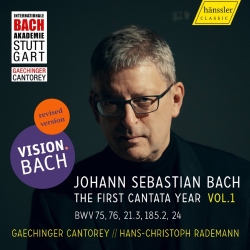
5

2:53
6
2:57
9
2:53
Featured Music
9
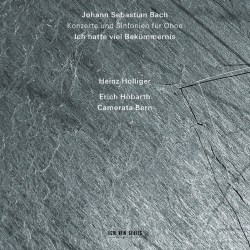
3:4
10
Cantata no. 21, "I had many sorrows", BWV 21
Trio in c, BWV 21/1 (Cantata 21: ich hatte viel Bekümmernis)
2:53
12
3:5



Main Perform Artists
Tenor Vocal
Soprano Vocal
Soprano Vocal