


Arnold Schoenberg
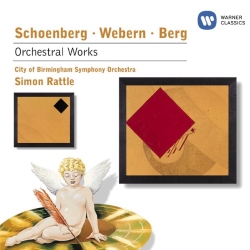
Pieces (5) for orchestra, Op. 16
Released Album
Recent Album
-
-
-
-
-

-

-
-
-
 Various ArtistsAugust 12, 2016
 -
-
-
Featured Album
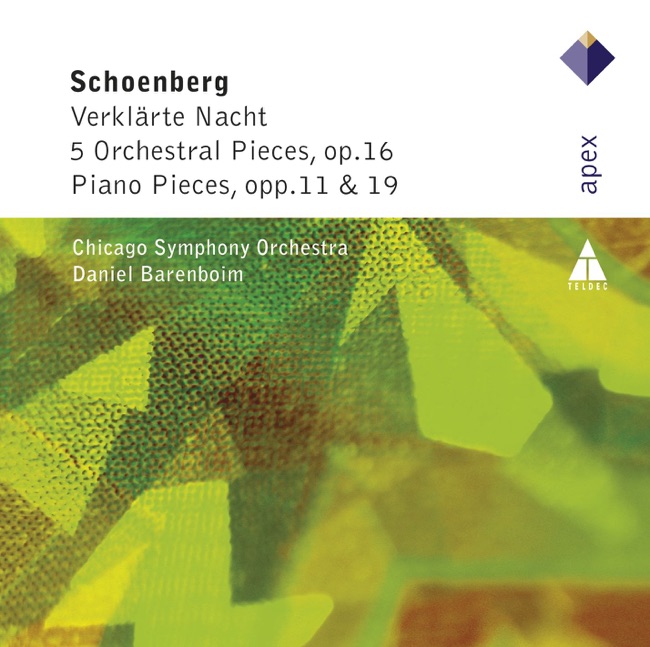
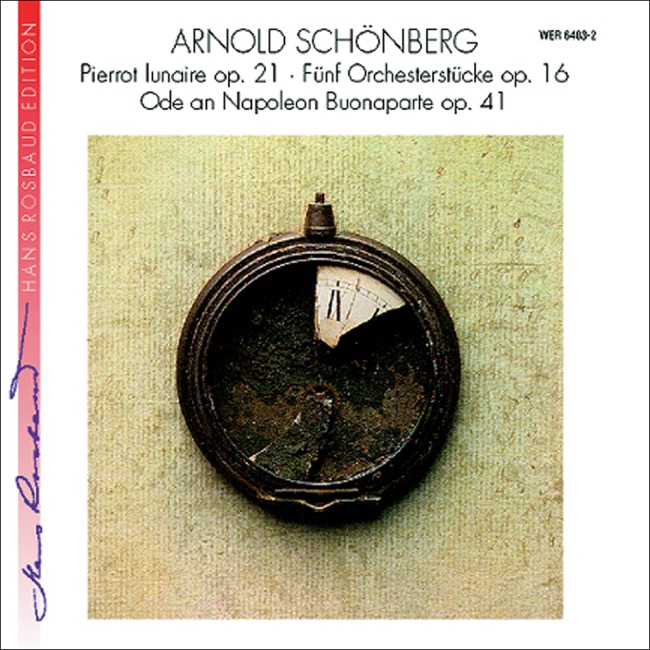
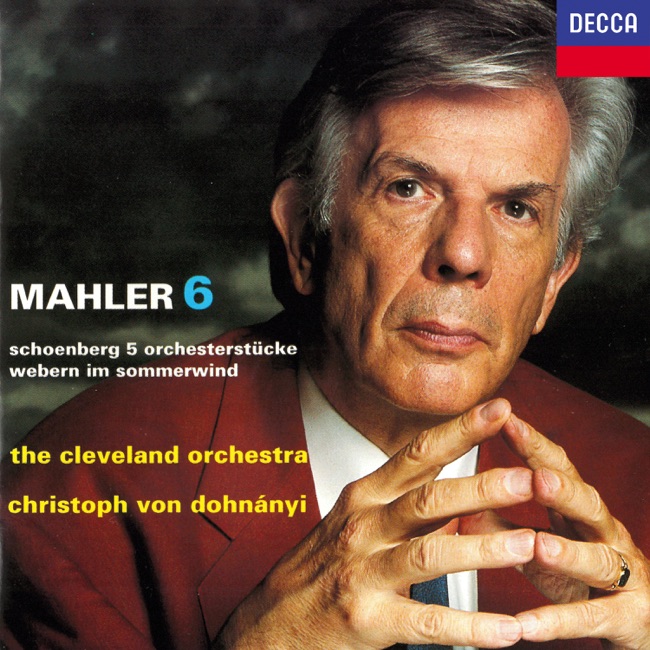
Works Info
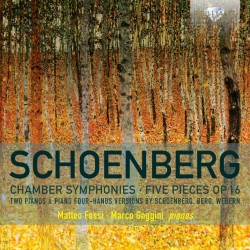
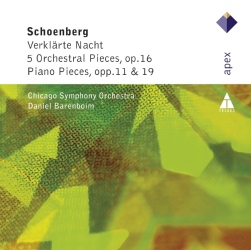
Composer:Arnold SchoenbergGenre:OrchestralStyle:SuiteCompose Date:1909Average_duration:17:30Movement_count:5Movement ....Arnold Schoenberg's 'Pieces (5) for orchestra, Op. 16' is a significant work in the development of atonal music. Composed in 1909, it premiered in Vienna on February 3, 1912, conducted by Franz Schreker. The five movements of the piece are played without pause, and each movement is characterized by its unique musical language. The first movement, "Vorgefühle" (Premonitions), begins with a haunting melody played by the violins. The music gradually builds in intensity, with dissonant harmonies and complex rhythms. The movement ends with a sudden, jarring chord. The second movement, "Vergangenes" (The Past), is a mournful elegy. The music is slow and melancholy, with long, sustained notes in the strings and woodwinds. The movement features a solo violin, which plays a haunting melody that is later taken up by the entire orchestra. The third movement, "Farben" (Colors), is a study in orchestral color. The music is fast and lively, with constantly shifting textures and timbres. The movement features a prominent role for the percussion section, which adds a rhythmic energy to the music. The fourth movement, "Peripetie" (Peripeteia), is the most dramatic of the five. The music is fast and frenzied, with sudden shifts in dynamics and tempo. The movement features a prominent role for the brass section, which adds a sense of urgency to the music. The final movement, "Das obligate Rezitativ" (The Obligatory Recitative), is a complex and challenging piece of music. The movement features a solo violin, which plays a series of intricate melodies that are later taken up by the entire orchestra. The music is dissonant and challenging, with complex rhythms and harmonies. Overall, 'Pieces (5) for orchestra, Op. 16' is a groundbreaking work in the development of atonal music. The piece is characterized by its complex harmonies, dissonant melodies, and constantly shifting textures and timbres. It is a challenging work for both performers and listeners, but it remains an important and influential piece of music to this day.More....
Works Music
Released Music



Featured Music

Main Perform Artists