Antonio Vivaldi
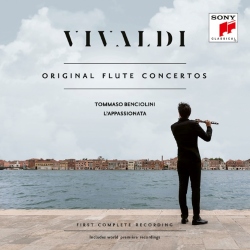
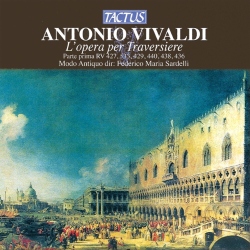
Flute Concerto in A minor, RV 440
Released Album
Recent Album
Featured Album
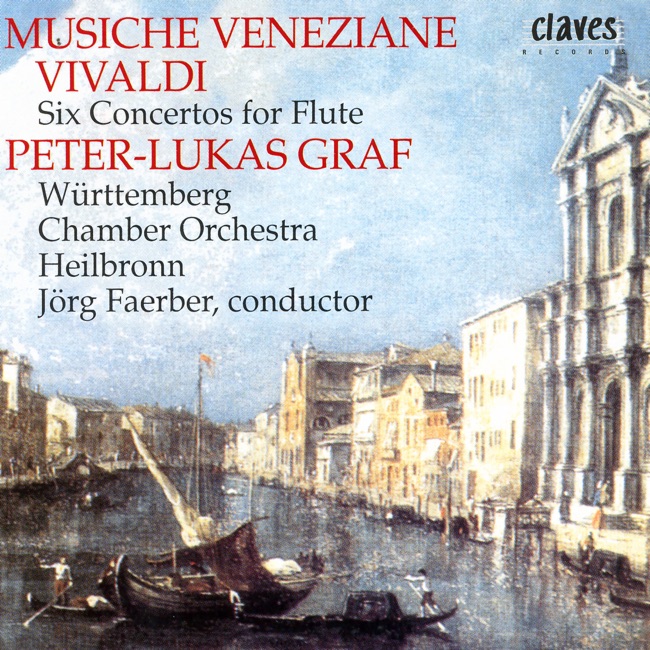
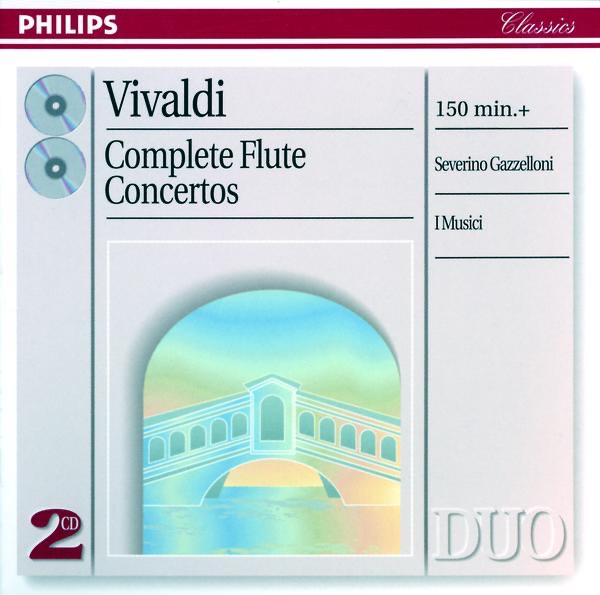
Works Info
Composer:Antonio VivaldiGenre:ConcertoStyle:ConcertoCompose Date:before 1742Average_duration:9:03Movement_count:3Movement ....Antonio Vivaldi's Flute Concerto in A minor, RV 440, was composed in the early 18th century. The exact date of composition is unknown, but it is believed to have been written between 1728 and 1729. The concerto was premiered in Venice, Italy, and was likely performed by Vivaldi himself, who was a renowned virtuoso on the violin and other stringed instruments. The concerto is comprised of three movements: Allegro, Largo, and Allegro. The first movement is a lively and energetic Allegro, featuring fast-paced runs and intricate ornamentation. The second movement, Largo, is a slow and expressive piece, characterized by its lyrical melodies and rich harmonies. The final movement, Allegro, returns to the lively and energetic style of the first movement, with virtuosic flourishes and rapid-fire runs. One of the most notable characteristics of Vivaldi's Flute Concerto in A minor is its use of the solo flute as the primary instrument. Vivaldi was known for his innovative use of solo instruments in his concertos, and the flute was a relatively new addition to the orchestra at the time. The concerto showcases the flute's versatility and range, with the soloist performing both lyrical and virtuosic passages throughout the piece. Another characteristic of the concerto is its use of the ritornello form, a common structure in Baroque music. The ritornello form features a recurring theme played by the orchestra, which is interspersed with solo passages performed by the flute. This structure allows for a dialogue between the soloist and the orchestra, with each taking turns to showcase their musical abilities. Overall, Vivaldi's Flute Concerto in A minor, RV 440, is a masterful example of Baroque music, showcasing the composer's innovative use of solo instruments and the ritornello form. Its lively and energetic style, combined with the expressive and lyrical melodies of the second movement, make it a beloved piece in the flute repertoire.More....
Works Music
Released Music
8
2:41

Featured Music
5
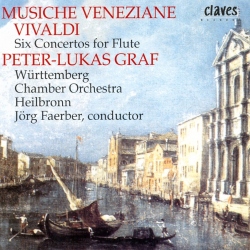
3:15
6
2:46