


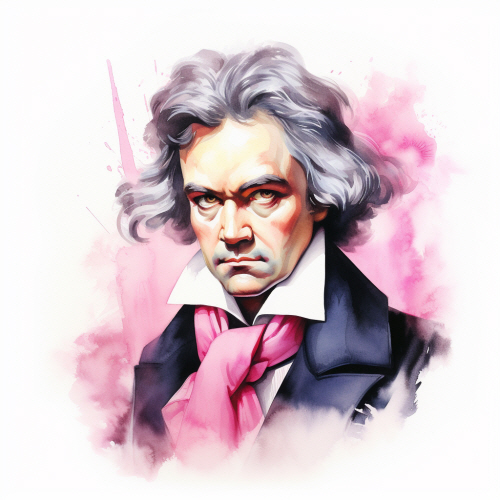
Ludwig van Beethoven
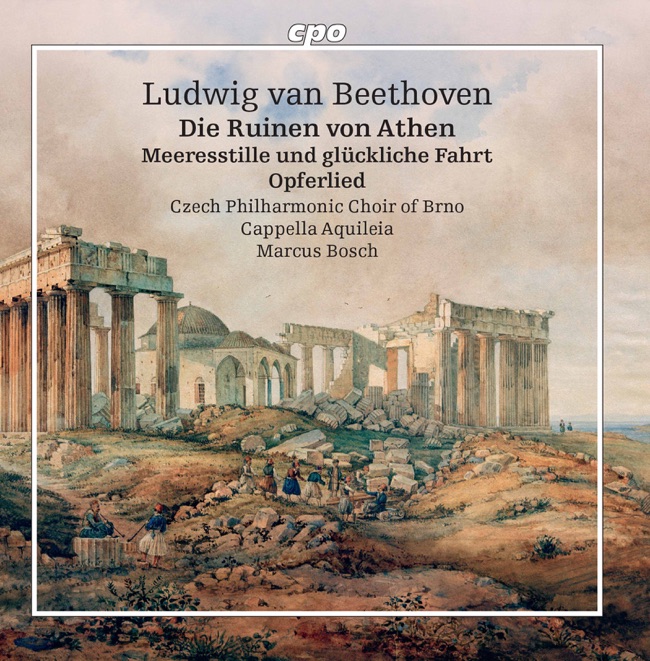
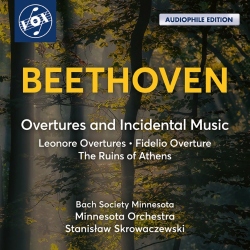
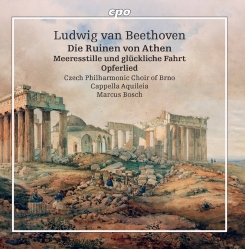
Ruins of Athens, Op. 113
Released Album
Recent Album




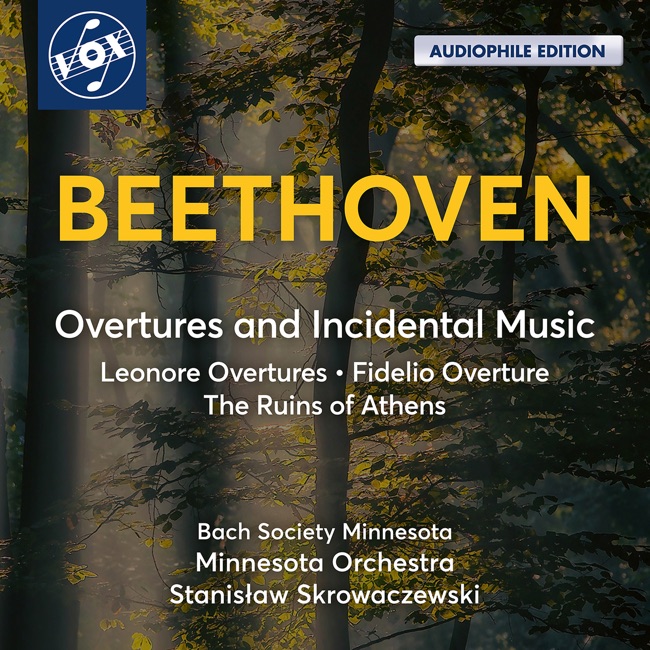



Featured Album

Works Info
Composer:Ludwig van BeethovenGenre:OrchestralStyle:Incidental MusicCompose Date:1811First Performance:1812Average_duration:18:50Movement_count:10Movement ....Ruins of Athens, Op. 113 is a musical composition by Ludwig van Beethoven, composed in 1811. It was written as incidental music for a play of the same name by August von Kotzebue, which was commissioned by the Austrian Emperor, Francis I, to celebrate the opening of a new theatre in Pest, Hungary. The premiere of the play and the music took place on December 15, 1811, in Pest. The music consists of nine movements, including an overture, marches, choruses, and dances. The music was well-received, and it was later performed in Vienna and other European cities. The overture, which is the most famous part of the music, is a lively and energetic piece that features a Turkish march, which was a popular musical motif at the time. The overture also includes a slow introduction that features a solemn and majestic theme played by the brass instruments. The first movement is a chorus, which is sung by a choir of men and women. The chorus is a hymn to the goddess Athena, who was the patron goddess of Athens. The second movement is a Turkish march, which is played by the orchestra. The march features a lively and energetic melody that is accompanied by percussion instruments, including cymbals and drums. The third movement is a chorus, which is sung by a choir of men. The chorus is a lament for the ruins of Athens, which had been destroyed by war and neglect. The fourth movement is a dance, which is played by the orchestra. The dance is a lively and energetic piece that features a fast and rhythmic melody. The fifth movement is a chorus, which is sung by a choir of women. The chorus is a hymn to the god Apollo, who was the patron god of music and the arts. The sixth movement is a march, which is played by the orchestra. The march features a slow and stately melody that is accompanied by the percussion instruments. The seventh movement is a chorus, which is sung by a choir of men and women. The chorus is a hymn to the god Bacchus, who was the god of wine and revelry. The eighth movement is a dance, which is played by the orchestra. The dance is a lively and energetic piece that features a fast and rhythmic melody. The final movement is a chorus, which is sung by a choir of men and women. The chorus is a hymn to the emperor, Francis I, who had commissioned the play and the music. The chorus is a celebration of the emperor's wisdom and benevolence. Overall, Ruins of Athens, Op. 113 is a lively and energetic piece of music that features a variety of musical styles and themes. The music is a testament to Beethoven's skill as a composer and his ability to create music that is both entertaining and meaningful.More....
Works Music
Released Music
1
4:20





Featured Music

12
4:48
Recommend Playlist



Main Perform Artists
Violin
Piano