


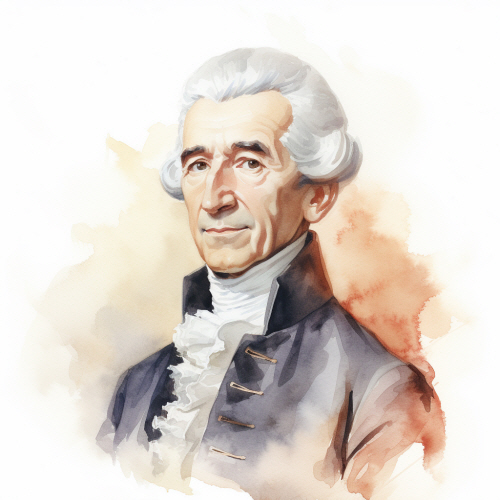
Franz Joseph Haydn
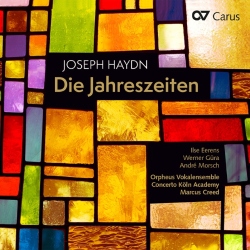
Die Jahreszeiten, H. 21/3
Released Album
Recent Album
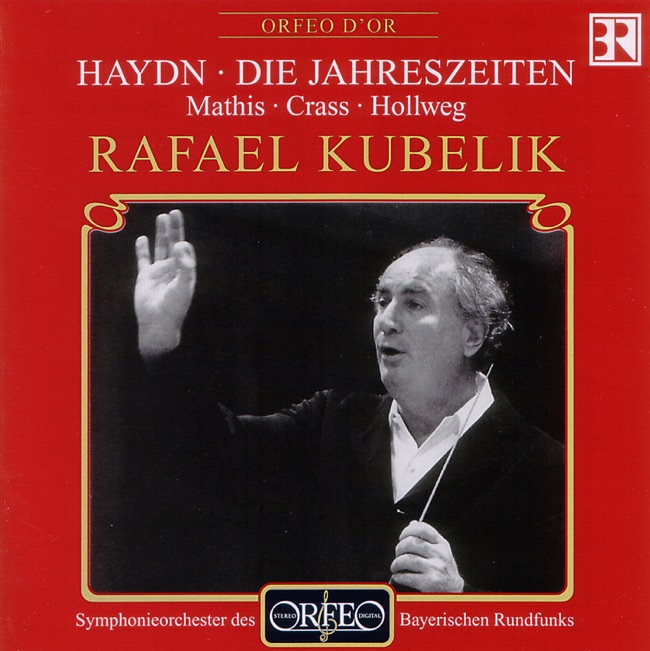
Featured Album

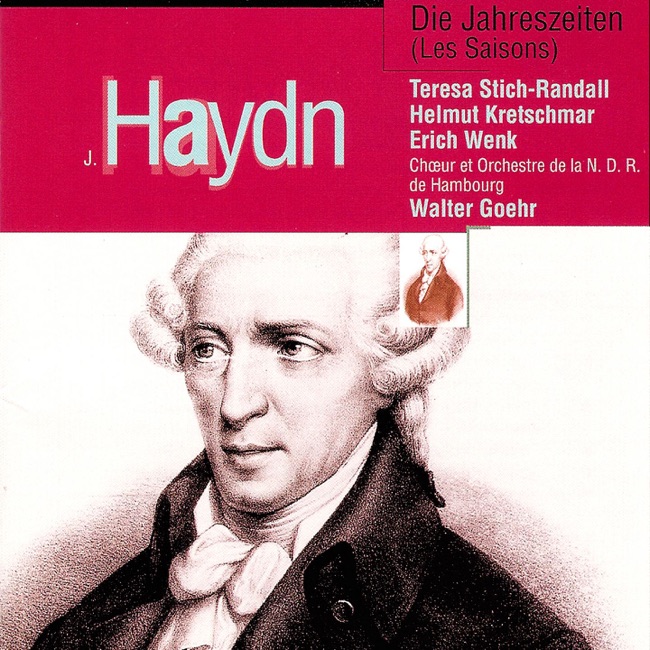
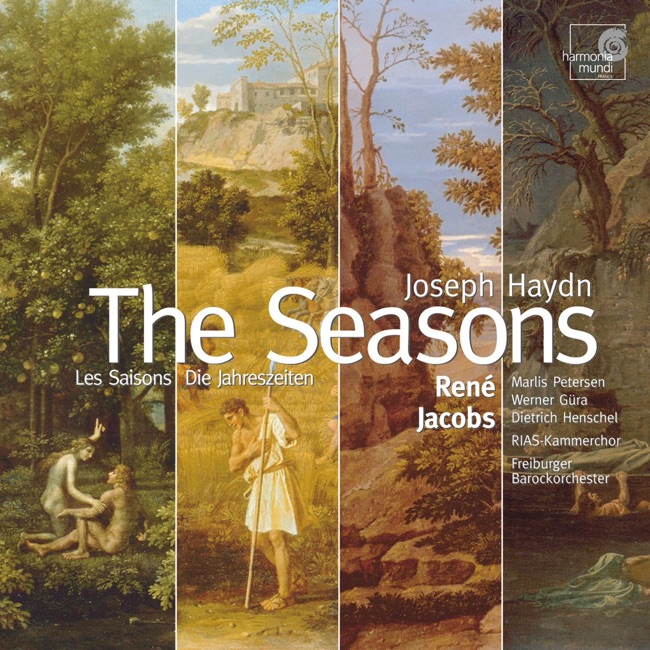
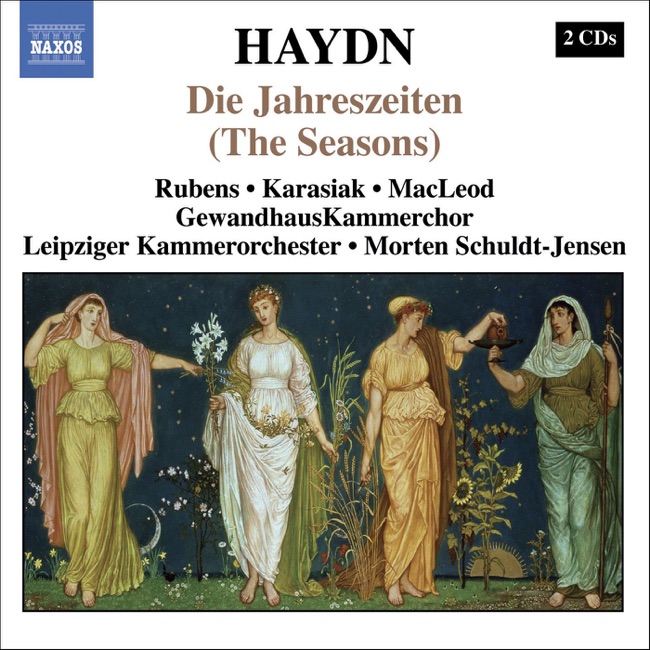
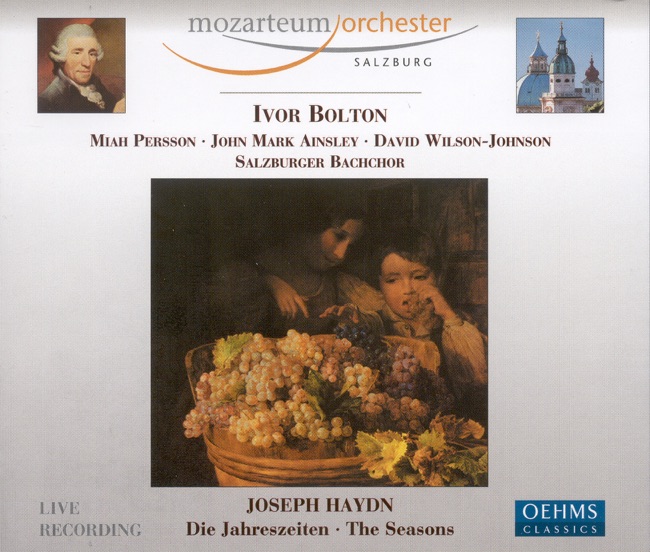
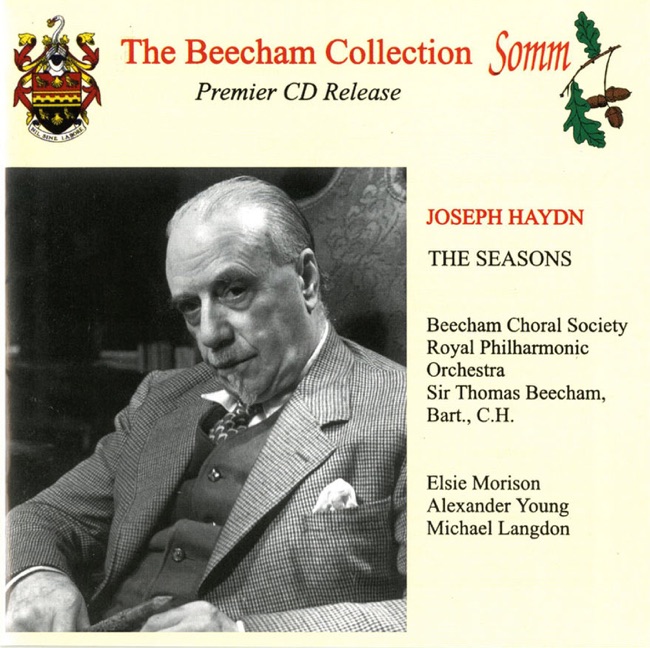
Works Info
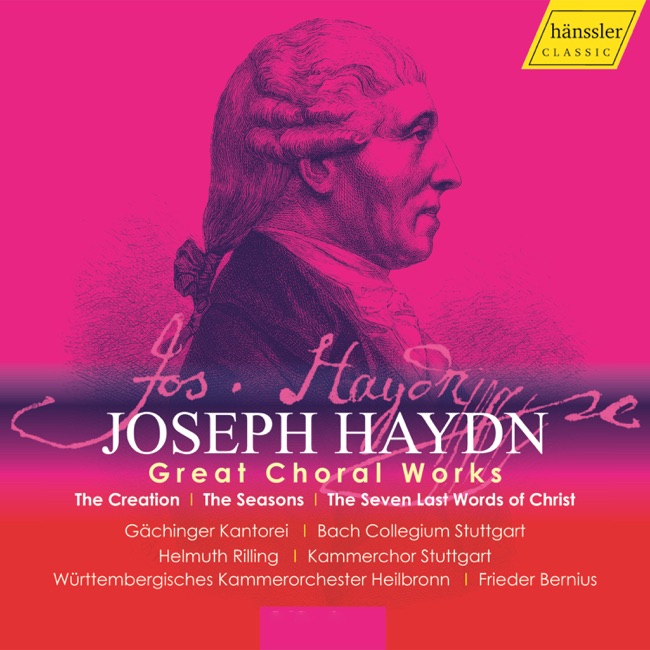
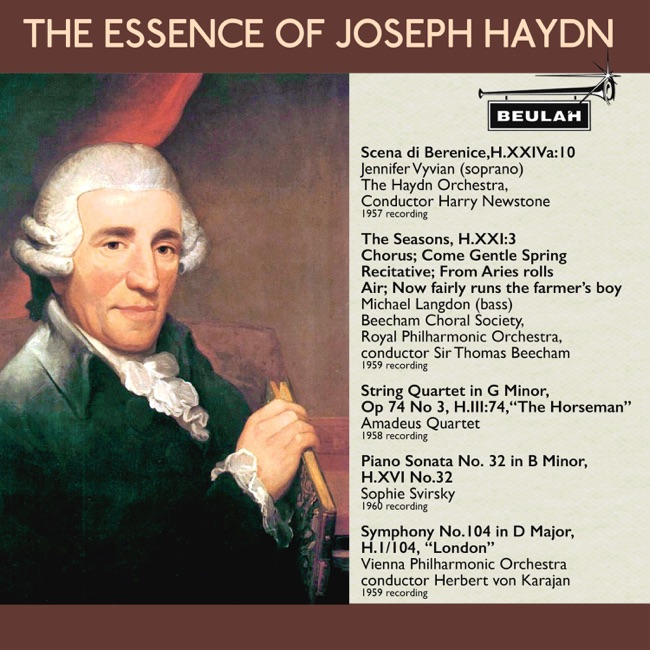
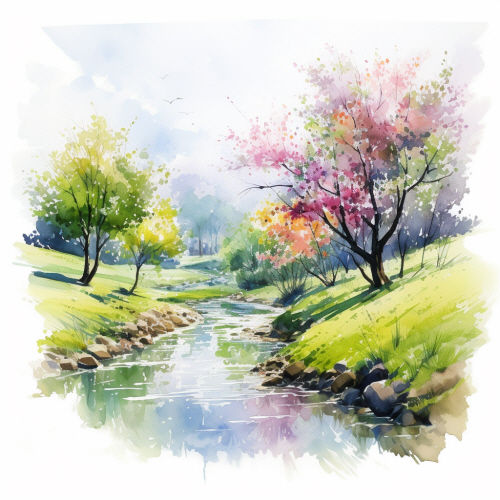
Composer:Franz Joseph HaydnGenre:ChoralStyle:OratorioCompose Date:1801Average_duration:134:03Movement_count:59Movement ....Die Jahreszeiten, H. 21/3, also known as The Seasons, is an oratorio composed by Franz Joseph Haydn. It was composed between 1799 and 1801 and premiered on April 24, 1801, in Vienna. The libretto was written by Baron Gottfried van Swieten, who also wrote the libretto for Haydn's previous oratorio, The Creation. The oratorio is divided into four parts, each representing a season of the year. The first part, "Spring," is characterized by its joyful and lively music, with the chorus and soloists singing about the beauty of nature and the arrival of spring. The second part, "Summer," is more contemplative, with the music reflecting the heat and stillness of the season. The third part, "Autumn," is marked by its rustic and festive music, with the chorus and soloists celebrating the harvest and the abundance of the season. The final part, "Winter," is the most dramatic, with the music reflecting the cold and harshness of the season, as well as the struggles of the people and animals to survive. One of the most notable characteristics of Die Jahreszeiten is its use of programmatic music, which means that the music is meant to depict specific events or scenes. For example, in the first part, the music depicts the arrival of spring, with the chorus singing about the "gentle zephyrs" and the "murmuring brooks." In the third part, the music depicts the hunt, with the chorus and soloists singing about the "horns resounding" and the "dogs barking." Another notable characteristic of the oratorio is its use of folk music, which was a popular trend in the late 18th and early 19th centuries. Haydn incorporated folk melodies and rhythms into the music, particularly in the third part, which features a number of folk dances. Overall, Die Jahreszeiten is a masterful work that showcases Haydn's skill as a composer and his ability to capture the essence of the seasons through music. Its programmatic nature and use of folk music make it a unique and innovative work that continues to be celebrated and performed today.More....
Works Music
Released Music
Featured Music
Main Perform Artists
Tenor Vocal
Soprano Vocal
Bass (Vocal)
Soprano (Vocal)
Soprano (Vocal)
Baritone (Vocal)
Baritone (Vocal)
Choir/Chorus
Bass (Vocal)
Soprano (Vocal)