


Johann Sebastian Bach
Cantata No. 99, "Was Gott tut, das ist wohlgetan", BWV 99
Released Album
Recent Album
Featured Album
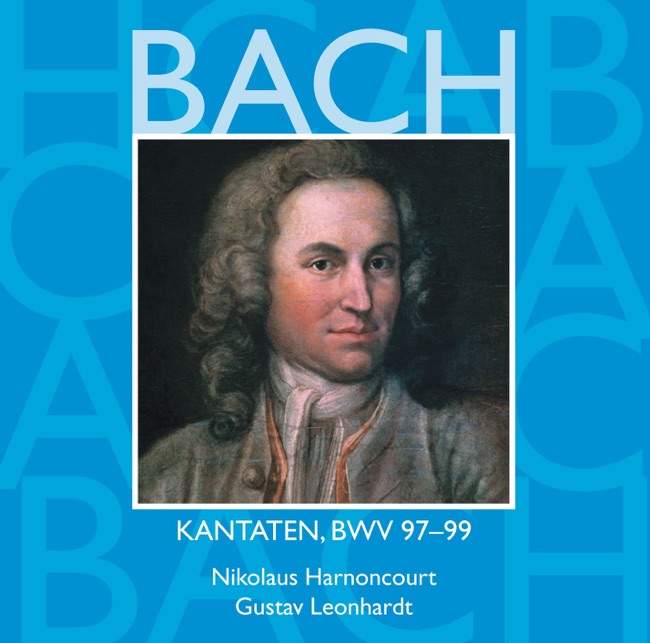
Works Info
Composer:Johann Sebastian BachGenre:ChoralStyle:CantataCompose Date:Sep 17, 1724Publication Date:1875First Performance:Sep 17, 1724Average_duration:16:02Movement_count:6Movement ....Johann Sebastian Bach composed Cantata No. 99, "Was Gott tut, das ist wohlgetan," BWV 99, in 1724 during his first year as the Thomaskantor in Leipzig. The cantata was premiered on September 17, 1724, as part of the regular Sunday service at the St. Thomas Church. The cantata consists of six movements, including an opening chorus, three arias, a recitative, and a closing chorale. The text is based on a hymn by Samuel Rodigast, which praises God's sovereignty and trustworthiness in all circumstances. The opening chorus is a grand and majestic setting of the hymn's first verse, featuring a full orchestra and choir. The music is characterized by its lively rhythms, intricate counterpoint, and rich harmonies, which convey a sense of confidence and assurance in God's providence. The first aria, "Was Gott tut, das ist wohlgetan," is a solo for alto accompanied by a solo violin and continuo. The music is serene and contemplative, with a gentle melody that reflects the text's message of resignation and trust in God's will. The second aria, "Erschüttre dich nur nicht, verzagte Seele," is a solo for tenor accompanied by oboe and continuo. The music is more agitated and restless, with a chromatic melody that reflects the text's message of fear and uncertainty in the face of adversity. The third aria, "Man halte nur ein wenig stille," is a duet for soprano and bass accompanied by two oboes and continuo. The music is lively and dance-like, with a playful melody that reflects the text's message of patience and contentment in God's timing. The recitative, "Was Gott tut, das ist wohlgetan," is a solo for bass accompanied by continuo. The music is simple and declamatory, with a recitative-like melody that emphasizes the text's message of trust and submission to God's will. The closing chorale is a four-part setting of the hymn's final verse, featuring a simple and homophonic texture that emphasizes the text's message of gratitude and praise for God's goodness and faithfulness. Overall, Cantata No. 99 is a masterful example of Bach's ability to combine text and music in a way that conveys deep spiritual truths and inspires the listener's faith. Its rich harmonies, intricate counterpoint, and expressive melodies make it a beloved work in the choral repertoire.More....
Works Music
Released Music
1
Cantata no. 99, "What God does is well done", BWV 99
VI. Choral. Was Gott tut, das ist wohlgetan
5:24
2
Cantata no. 99, "What God does is well done", BWV 99
I. Coro Was Gott tut, das ist wohlgethan
4:23
5
Cantata no. 99, "What God does is well done", BWV 99
1. Chœur - Was Gott tut, das ist wohlgetan
4:41
6
Cantata no. 99, "What God does is well done", BWV 99
I. Coro: Was Gott tut, das ist wohlgetan
4:34
Featured Music
3
Cantata no. 99, "What God does is well done", BWV 99
Recitativo. Sein Wort er Wahrheit stehet fest
1:7
4
Cantata no. 99, "What God does is well done", BWV 99
Aria. Erschüttre dich nicht, verzagte Seele
5:57
5
Cantata no. 99, "What God does is well done", BWV 99
Recitativo. Nun, der von Ewigkeit geschlossne Bund
56

Main Perform Artists
Tenor Vocal
Tenor Vocal
Bass (Vocal)
Soprano Vocal
Alto Vocals
Bass Vocal