


Joaquín Rodrigo
Concierto de Aranjuez
Released Album
Recent Album
-
-
-

-
-
-

-
-
-
-
 The National Arts Orchestra AustraliaNovember 29, 2022
 -
-
Featured Album
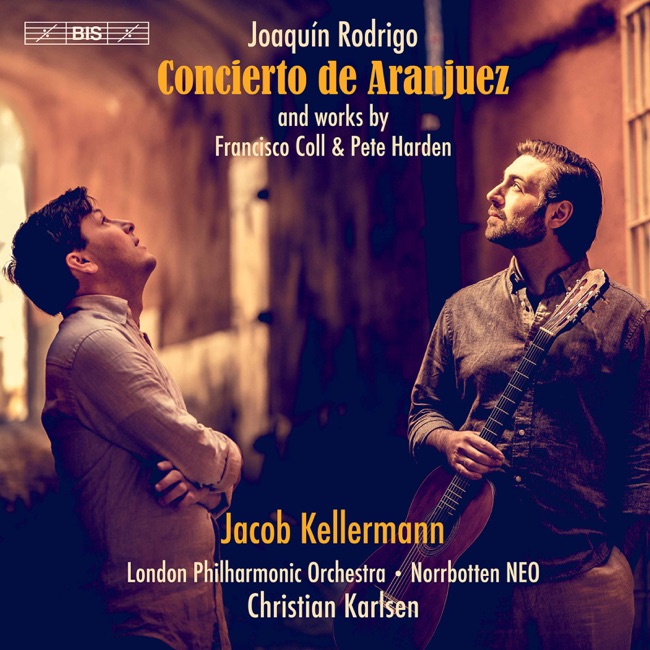
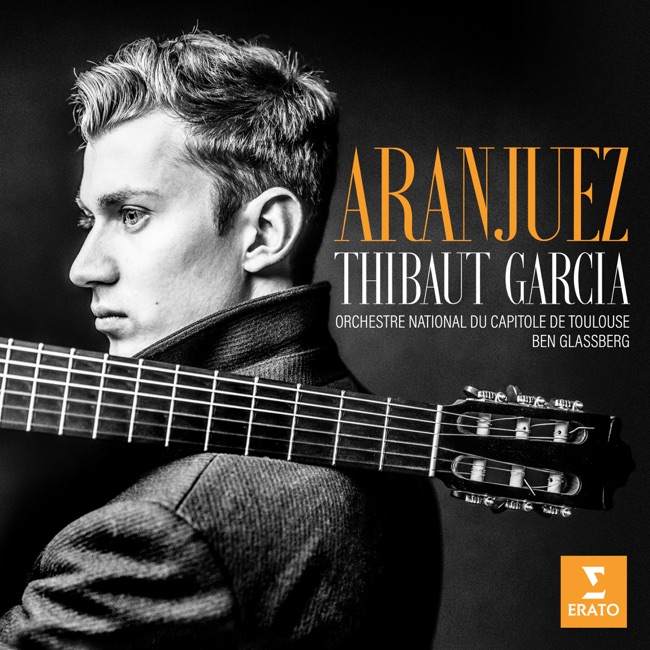

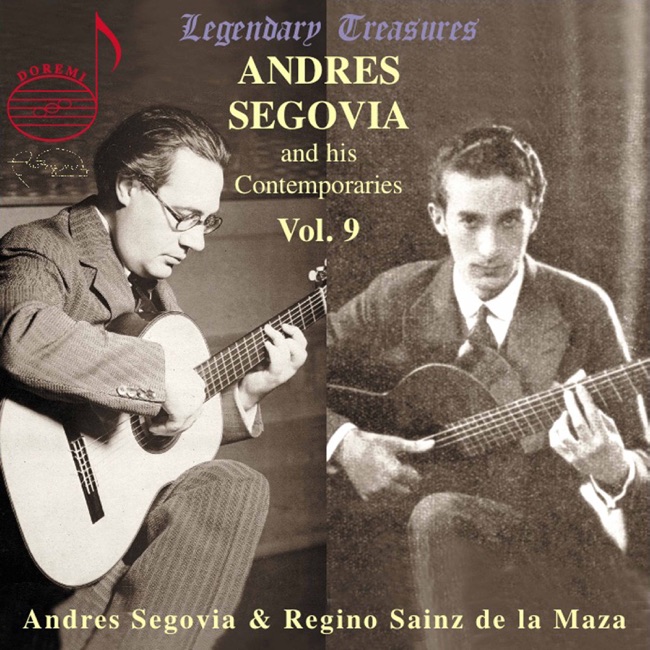
Works Info
Composer:Joaquín RodrigoGenre:ConcertoStyle:ConcertoCompose Date:1939First Performance:Nov 9, 1940Average_duration:22:09Movement_count:3Movement ....Concierto de Aranjuez is a classical guitar concerto composed by Joaquín Rodrigo in 1939. It premiered on November 9, 1940, in Barcelona, Spain, with guitarist Regino Sainz de la Maza and the Orquesta Filarmónica de Barcelona conducted by César Mendoza Lasalle. The concerto is divided into three movements: Allegro con spirito, Adagio, and Allegro gentile. The first movement is characterized by its lively and rhythmic melodies, with the guitar and orchestra trading off solos and accompaniment. The second movement, Adagio, is the most famous and beloved of the three. It is a slow and melancholic piece that showcases the guitar's expressive capabilities. The third movement, Allegro gentile, is a lively and playful piece that brings the concerto to a joyful conclusion. The Concierto de Aranjuez is known for its Spanish influences, with Rodrigo incorporating elements of flamenco and traditional Spanish music into the concerto. The second movement, in particular, is often described as having a "Spanish" or "Moorish" feel, with its use of the Phrygian mode and Arabic-inspired melodies. The concerto is also notable for its use of orchestration, with Rodrigo carefully balancing the guitar and orchestra to create a seamless and harmonious sound. The guitar is often used as a solo instrument, with the orchestra providing a rich and supportive backdrop. Overall, the Concierto de Aranjuez is a masterpiece of classical guitar music, showcasing the instrument's versatility and expressive capabilities. Its popularity has endured for decades, with countless recordings and performances by some of the world's greatest guitarists.More....
Works Music
Released Music


Featured Music





Main Perform Artists
Guitar
Guitar
Guitar
Guitar